

Why All Of Your Devices Use USB-C Ports Now
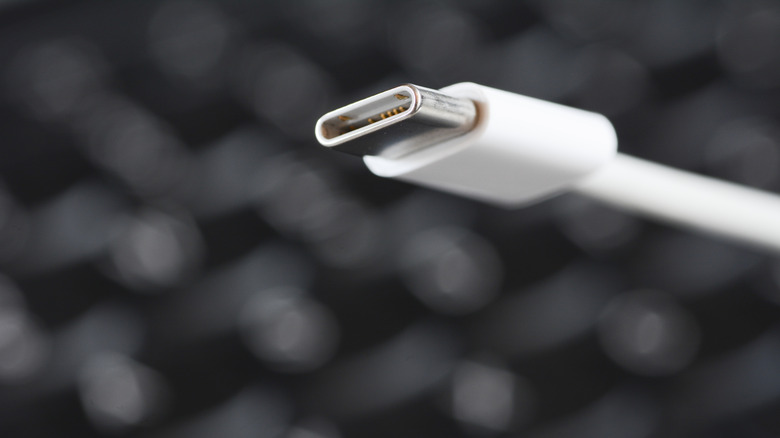
USB-C is everywhere in 2025. If you've felt like every new device you buy, from smartphones to laptops and tablets, uses a USB-C port for charging, you're not imagining things. USB-C has quickly become the most common connector encountered in the modern tech world. This shift isn't just a trend; it's the tech industry settling on a smarter, more efficient, and, most importantly, universal standard connector.
The beauty of USB-C is that it does nearly everything. One small and reversible cable can fast-charge your smartphone, transfer huge files in seconds, handle video and audio, and even power a 4K monitor. This flexibility is a huge step up from previous tech eras, when you needed separate ports and separate cables for power, data, and video interfaces. For manufacturers, simplifying ports means slimmer designs and fewer compromises. For us as consumers, it means less clutter in workspaces and better compatibility between devices.
There's also a push from regulators, especially in the European Union, urging tech companies to adopt a common charging standard to reduce e-waste. That pressure, combined with USB-C's clear performance advantages, has helped accelerate its adoption across devices ranging from iPhones and Android phones to MacBooks and Windows laptops.
Why manufacturers are switching to USB-C
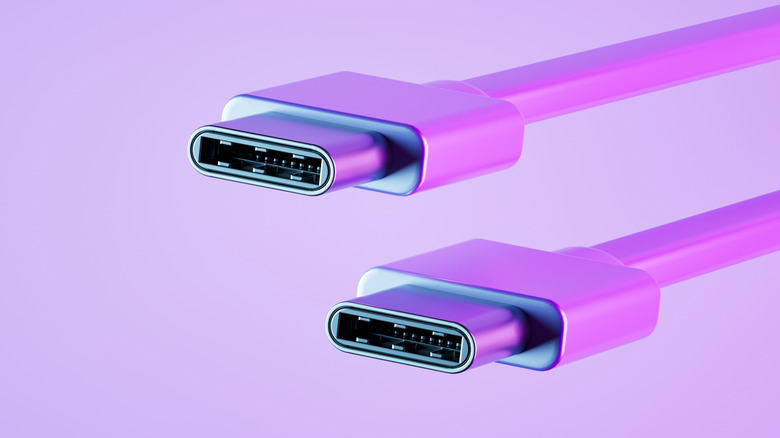
Device manufacturers didn't switch to USB-C just because it looks sleek, but rather because it solves a long list of problems that older ports couldn't solve. One of the biggest reasons for the switch to USB-C has been because of the connector's versatility. As previously mentioned, USB-C can support fast charging, high-speed data transfers of up to 20 Gbps, and even 4K video output, all through a single connector. This gives companies far more flexibility when designing slimmer phones, thinner laptops, and more compact accessories without sacrificing performance.
Power delivery is another major factor. USB-C supports far higher wattages, up to 240W, significantly more than micro-USB or older laptop chargers, enabling everything from fast-charging smartphones to powering full-size notebooks. Instead of relying on proprietary charging bricks or custom connectors, manufacturers can use a shared standard that's already supported across the industry.
Durability also plays an important role in USB-C's popularity. The symmetric and reversible design of the USB-C connector is less prone to wear and user error. This makes it easier for brands to build devices that hold up better over time, as the connector is less prone to damage than previous connector types.
Then there's the issue of governmental regulations. The European Union's push for a universal charger standard encourages companies, smartphone manufacturers in particular, to adopt USB-C more quickly. By aligning with a unified port, manufacturers can do their part to help reduce cable waste, simplify packaging, and ship the same device globally without redesigning the charging hardware for different regions.