

5 Nvidia Graphics Cards You Should Steer Clear Of (According To Users)
We may receive a commission on purchases made from links.
Buying a new video card can be quite the experience. There are a lot of product specifications and reviews to dig through before settling on a card, while also trying to find the best possible deal as PC component prices fluctuate. And with 2026 seeing component prices increase, evidenced by finding the right card at a good price might be harder than ever.
This makes knowing which video cards to avoid even more crucial for consumers. The last thing that anyone wants is to drop a lot of money only to be left underwhelmed, especially given the pace at which GPUs face comparative obsolescence.
Nvidia is often hailed as the top dog in the graphics card space, and we've showcased the best value cards from the company before, but its cards aren't always free from issues. The company has several GPUs on the market that are criticized as being questionable in terms of value proposition. One upside to Nvidia's popularity: Users have snapped up a lot of "team green" GPUs, and consumer reviews are prevalent. This allows for examination of which Nvidia video cards worth steering clear of.
RTX 5060 Ti (8GB)
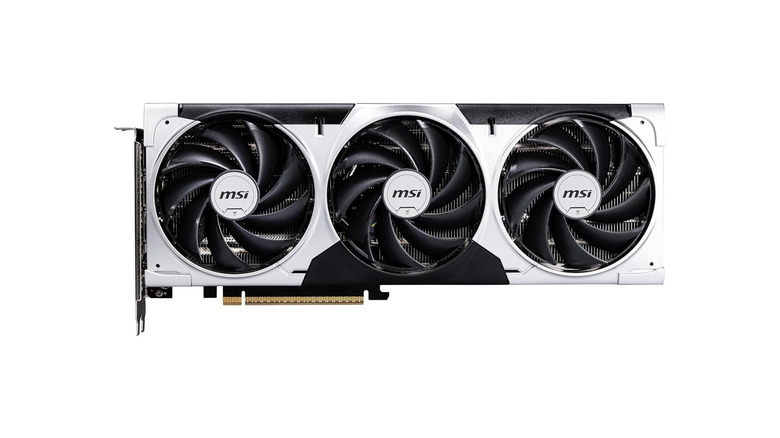
Nvidia isn't doing consumers any favors with the release of the RTX 5060 Ti. This interesting graphics card from Nvidia comes in an 8GB or 16GB model but retains the same model naming convention. Doing so created some confusion in the market, with many in terms of future performance.
The limited VRAM boasted by the , making the 8GB and 16GB very different cards in terms of power — even though they share the same name. In the past, a pair of cards like these would most likely be classified as separate models. Nvidia likes to differentiate their Ti cards as being more mid-step boosts, but the RTX 5060 Ti puts forth a much larger gap within its own model structure.
The difference between the , the two cards achieving very different benchmark scores. Market data indicates that , with 16GB models starting to become the standard. If you are looking at spending hundreds of dollars on a graphics card, make sure to purchase one with lasting power.
RTX 5090
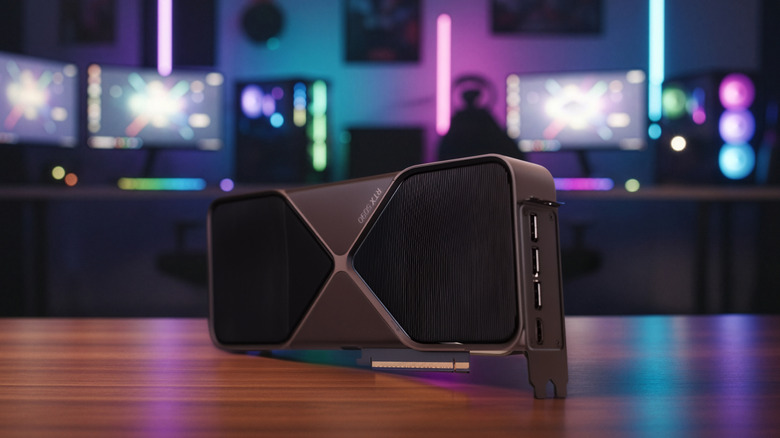
The RTX 5090 is the cream of the crop when it comes to graphics cards. There are very few GPUs that come close in terms of raw power, making this card a dream for many PC builders. However, .
With refurbished cards starting at around the $2,600 mark, it's hard to justify the cost for what you are getting, . If you are a professional and engage with heavy workloads surrounding AI, 3D modeling, or massive 4/8K video projects, then the RTX 5090 might be a financially responsible option.
If you are strictly a gamer looking to get the best visuals, . And, given that the RTX 5090 draws over 600 watts of power, expensive cooling hardware is non-negotiable. The RTX 5090 also requires a high-end power supply and full-sized (or at least a larger mid-tower) case to handle, making that the initial $2,600 investment — or — balloon quickly.
RTX 3050 (6GB)
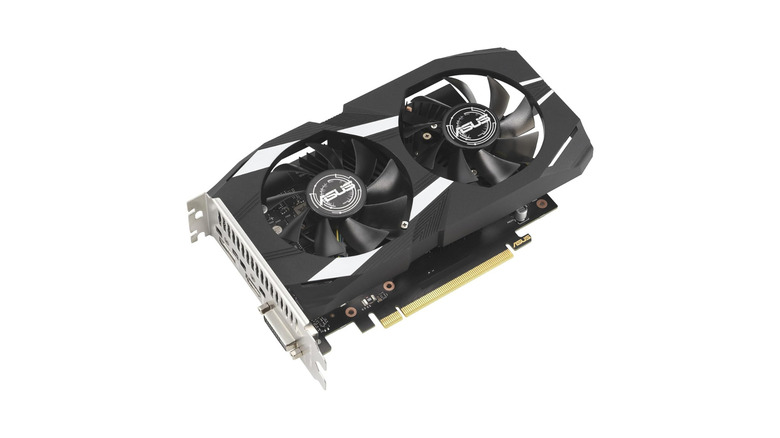
Those who purchase an RTX 3050 6GB model graphics card could be doing themselves a disservice in today's market. While this card might look like a good deal , if you do a little bit of research, you will find competing options offering more power for less money. As an example: AMD's RX 6600 while setting you back less cash than if you'd purchased the RTX 3050 6GB edition.
And if you're sticking to the , you can find more powerful cards — like the Intel ARC A750 — for as low as $140, . This makes the RTX 3050 6GB model a really poor choice, even if you are on a budget and looking to save money.
An 8GB graphics card should be the bare minimum when looking to upgrade, so unless you're moving up from an ancient GTX 1050, the RTX 3050 6GB makes little sense. And users across the PC building space seem to be in agreement, with of the card. The only reason to maybe think about this card is if you have one of those small Dell office machines, and are looking to turn it into a sleeper gaming build.
RTX 5070
When a new piece of PC hardware comes along with the purpose of replacing an older model, people expect the newer iteration of a product to have features that aren't present, or possible, on previous hardware. For example, moving from a 16 series GTX to a 20 series RTX provided a .
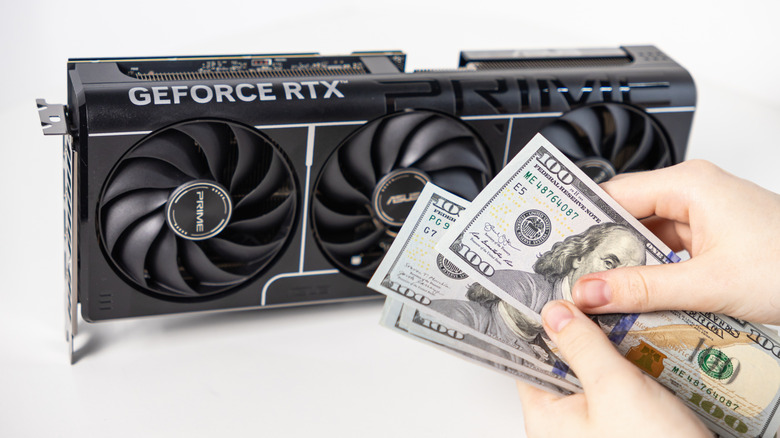
Even something like the for those looking to make an upgrade, especially in terms of energy efficiency. One might then expect the RTX 5070 to definitively outclass the RTX 4070 that it's meant to surpass, but you'd be wrong. PC forum members have noticed this, .
The over the RTX 4070 that it was meant to replace. Thankfully, the RTX 5070 has seen prices stabilize since its launch, but it's still hard to recommend one — — for what little it has to offer over the previous generation. and put the money you saved into other components down the line.
RTX 2060
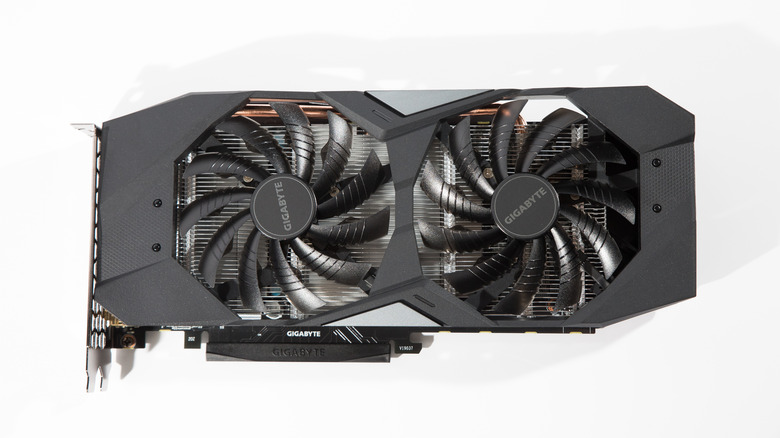
The RTX 2060 might sound like a good card on paper, particularly for those looking to save money while taking advantage of modern features that the Nvidia GTX line of cards lack. The 2060 features the RTX branding, so you'll have access to modern features such as DLSS and other Nvidia offerings.
The RTX 2060 remains a solid card that can be found on the . Why, then, should you avoid the RTX 2060 in 2025? The answer once again comes thanks to that pesky VRAM limitation. While the RTX 2060 is a fine card for 1080P gaming, the paltry 6GB of VRAM means you'll be bottlenecked when attempting to run games at higher resolutions.
With 4K gaming slowly becoming the industry standard, it's hard to recommend that anyone purchase a graphics card that's limited by 6GB of VRAM. Having access to DLSS will help to mitigate the lack of VRAM, but it will only get you so far — and for so long. You'll be better served spending marginally more to purchase a more modern card.