

5 Unexpected Uses For Your Old Power Banks
We may receive a commission on purchases made from links.
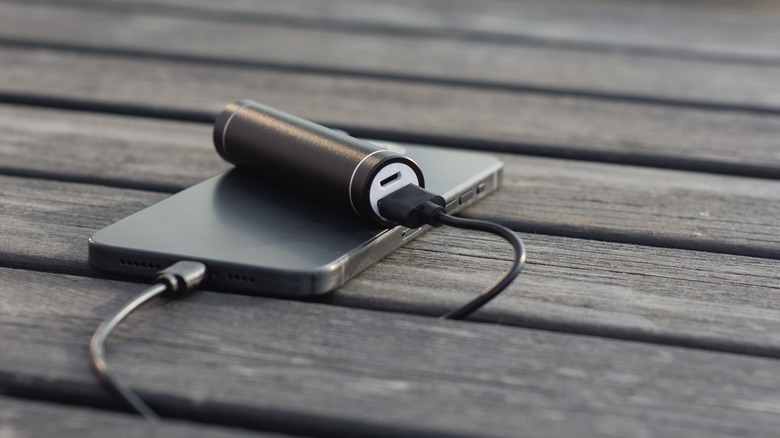
Power banks are one of the most convenient gadgets you can own in the modern age. They're great for keeping your phone topped up while you're out and about, with the best models charging your phone over and over again. Unfortunately, like most gadgets, even power banks can become obsolete or lose some of their functionality — but as long as they're still mostly functional, you can still find a practical use for them as a safety tool or camping accessory.
If you have a power bank that's getting on in years and gradually losing its ability to hold a charge, you'll probably want to replace it with a newer model. Even if you do replace it, though, you shouldn't just throw it away or leave it to rot in a junk drawer. We should stress, though, that you should only use an old power bank for these scenarios if it's still in fairly good condition. If it's completely dead, or worse, has begun to swell up, you should immediately take it to an electronics recycling center for safe disposal.
Keep one with your favorite portable speaker
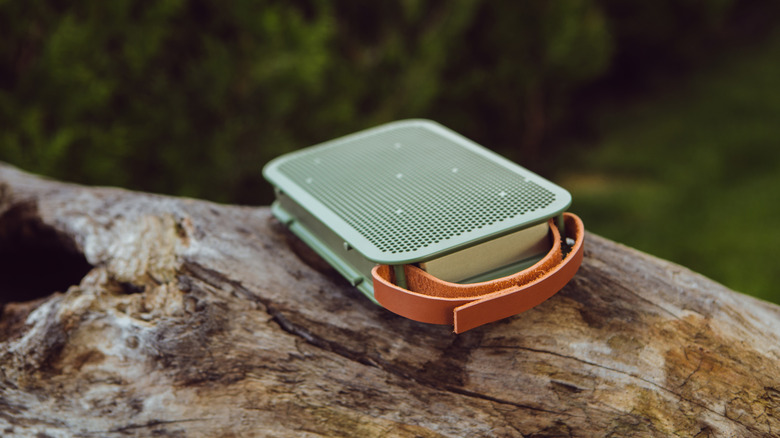
The most common devices you probably use a power bank to charge are either your smartphone or your wireless headphones. In the latter case specifically, headphones aren't the only audio gadgets that could benefit from having an extra source of power on standby. If you have a portable speaker for parties, exercising, or just enjoying on a sunny day, an old power bank could easily find a comfortable home by its side.
Rechargeable portable speakers generally use the same USB or USB-C charging ports as smartphones or headphones, so you can plug a power bank into one the same way you would with those devices. This can be very convenient if you want to enjoy your music outside, for example, but don't want to be stuck next to an outdoor outlet. Assuming you've replaced an older power bank with a newer one for your daily personal use, you can just leave the older one with the portable speaker as a dedicated power source, storing them together if the speaker has a carrying case.
Power an emergency lantern or flashlight
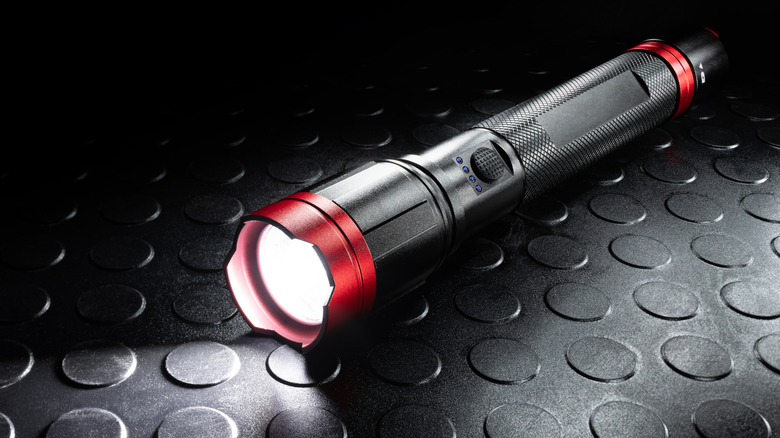
It's always vitally important to have a source of reliable illumination on standby in the event of a power outage, severe storm, or other similar emergency situation (and when emergency strikes, it's ideal to have a serious power station charged and at the ready). Plenty of modern flashlights and lanterns available on Amazon use rechargeable batteries of their own to eliminate the need for disposable batteries, but they'll still run empty if you use them for long enough. This is where an old power bank can really save the day.
Keep an older, yet still operational, power bank in the same place as your emergency lights, periodically checking to ensure it's still in good working order. If you need to take the emergency light out, make sure you bring the power bank with you. This way, if you're without power and using the light for longer than you expect, you can keep your emergency light topped off for longer with the power bank's help. Even if the old power bank can't carry a full charge anymore, any extra bit of juice can be invaluable in an emergency situation, such as trying to safely navigate a darkened hallway or staircase.
Keep one in your camping or travel kit
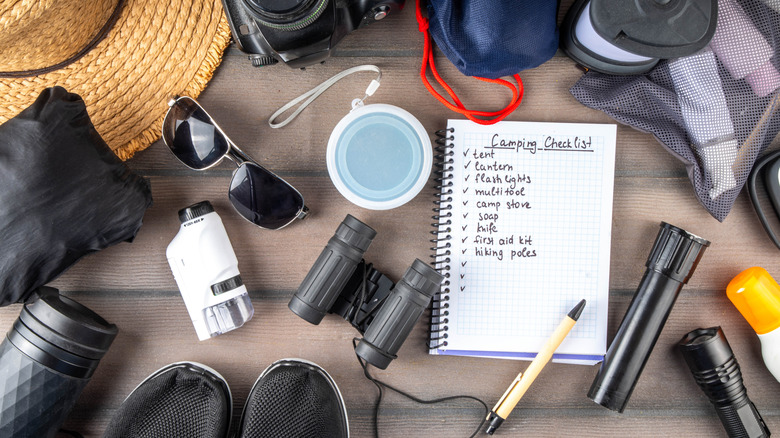
One scenario where you're likely to encounter darkness is in the middle of nowhere, whether it's a nighttime highway or the middle of a forest. If you're going on a long road trip or camping expedition, common sense dictates that you carry a couple of sources of portable power just in case. If you're already caching power for such a situation, you might as well add in your old power bank as insurance.
It doesn't hurt to have some extra power options in your camping or travel kits. Your not-quite-retired power bank can be put to good use in a variety of ways out on the trail, whether powering flashlights, small camping stoves and heaters, or emergency radios. If you have other sources of power in your rucksack, you should probably use those first, then save the old power bank for genuine emergencies. The old bank may not be able to power your various camping appliances and utilities long-term, but a few extra minutes of juice in your flashlight or phone could make a world of difference.
Jump-start your car with specific power banks
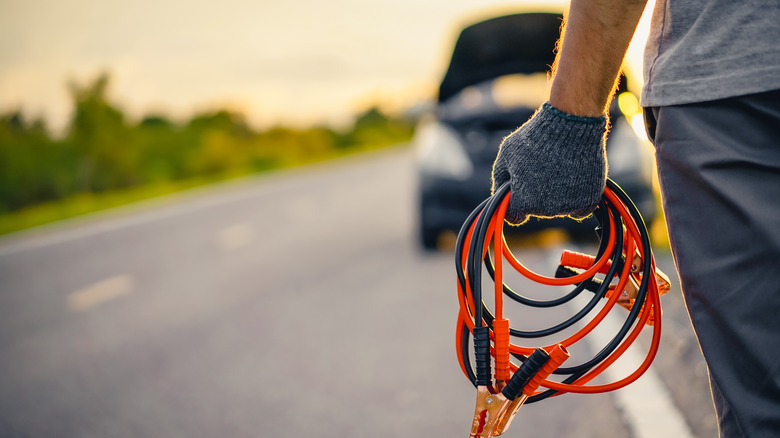
Depending on the size and features of a power bank, it may offer more functionality than simply providing steady power to your smartphone. For example, some models of power bank, like the NOCO Boost GB40, double as jump-starters for cars in need of a boost. Jump-start battery banks are typically much larger than those designed for lighter workloads.
To clarify, regular power banks exclusively intended for charging small devices cannot be used as jump-starters, as they don't provide enough amperage and lack certain infrastructure in their power cells. A smartphone-charging power bank also should not be modified into a jumper, as this could be potentially dangerous. You should only attempt this procedure with a power bank that has dedicated jump-start functionality. If you specifically bought a power bank with jump-start features, then replaced it with another with similar functionality, you might keep the old one in your trunk or glove box as a precaution.
Rebuild it into a newer, better power bank
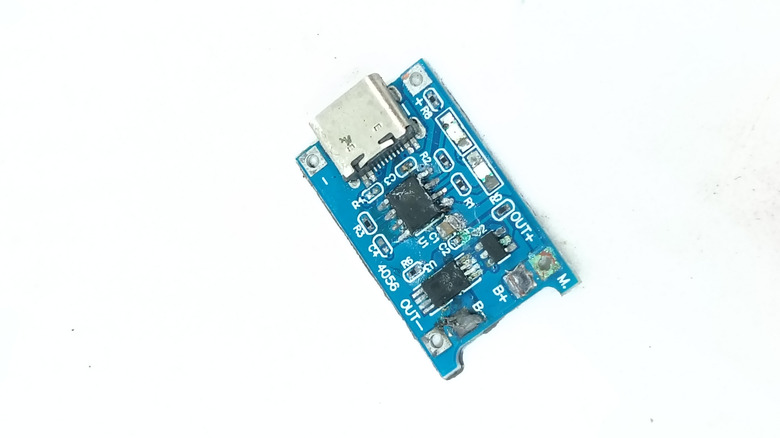
Even if a power bank appears to be on its last legs, there is a chance that the internal battery isn't actually the problem. It could be the circuitry surrounding it and connecting to external ports. If you're an electronically inclined person, it is theoretically possible to disassemble an old power bank, remove its battery and any functioning components, then slot them into a new, custom housing for continued use.
We need to stress, though, that you should only attempt this if you have experience with electronic maintenance, as the entire process will require in-depth knowledge like checking voltages and using a soldering iron. Additionally, as we mentioned at the top, even if the battery still technically holds a charge, if it has started swelling at all or has become visibly damaged, you absolutely should not attempt to repurpose it — instead properly disposing of it at a recycling center.