

12 Useful iOS Features You Need To Start Using
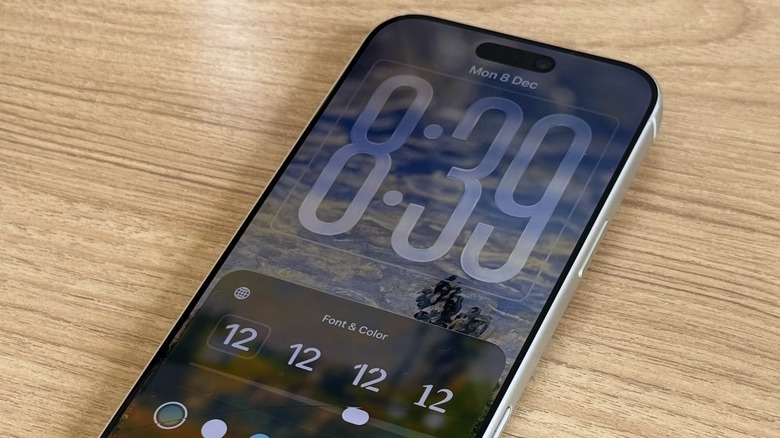
Every year, Apple makes the iPhone better with new iOS features. With major announcements during the WWDC keynote in June, the company releases major software updates every few months with new and hidden features.
While some great features get improved over time, such as Apple's Focus Mode or the ability to customize the Home Screen and Lock Screen, others get forgotten or are never learned by most people just because Apple releases several changes in a row. Still, if you're always trying to take the most out of your iPhone, there are various not-too-well-known features the device has — for instance, the iPhone comes with cool, lesser-known shortcuts.
In this article, you'll get some iOS tips and tricks that you can use with the latest iPhones, but also if you have a device that doesn't have Apple Intelligence capabilities, such as the iPhone 15 or older. These are some useful iOS features you need to start using right away.
Vehicle Motion Cues and Guest Access
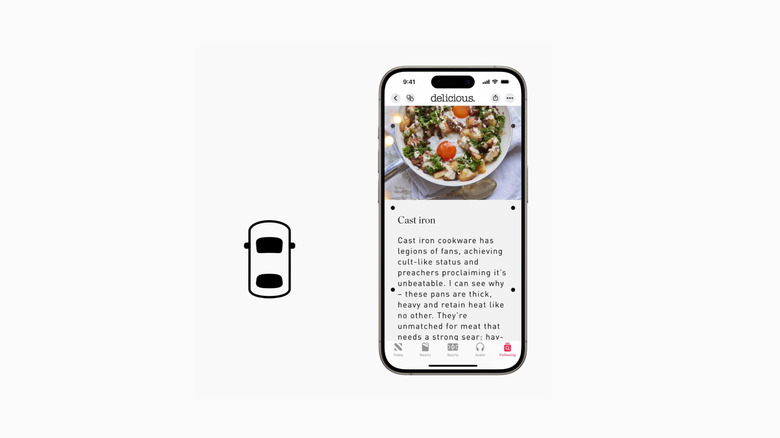
With iOS 18, Apple introduced one of the best Accessibility features for those who get motion sickness when using their iPhone or iPad in a moving vehicle. With Vehicle Motion Cues, animated dots at the edges of the screen can help prevent nausea. Apple says that these dots represent changes in vehicle motion to help reduce sensory conflict without interfering with the main content. Users can find this feature under Settings > Accessibility > Motion > Vehicle Motion Cues. It's also possible to turn it on automatically in the vehicle or add a shortcut for the Control Center.
Another cool feature introduced with iOS 18 was Guest Access, which provides time-based access to locks, garage doors, and alarm systems for up to 29 guests in the Home app. The activity gets logged into Activity History, and you can always control who has access to your house. Open the Home app, tap the Add button, then select Add People. Select Guest Access so they can access specific doors, locks, and other security-related accessories on a set schedule. With that in mind, Apple says you need security-related accessories in your home to have access to this feature.
Action Button and Camera Control
Introduced with the iPhone 15 Pro and later expanded to all recent iPhone models, the Action Button replaces the Mute Switch with a customizable action. Since most users already leave the iPhone on mute, Apple decided it could be more useful to offer actionable options with that button. You can customize it once you set up a new iPhone, or go to Settings and select the Action Button. For months, I had a shortcut to shuffle all my downloaded songs on Apple Music. These days, I'd rather have ChatGPT to start a new chat. You can use Apple's own presets, open an app, or create a shortcut.
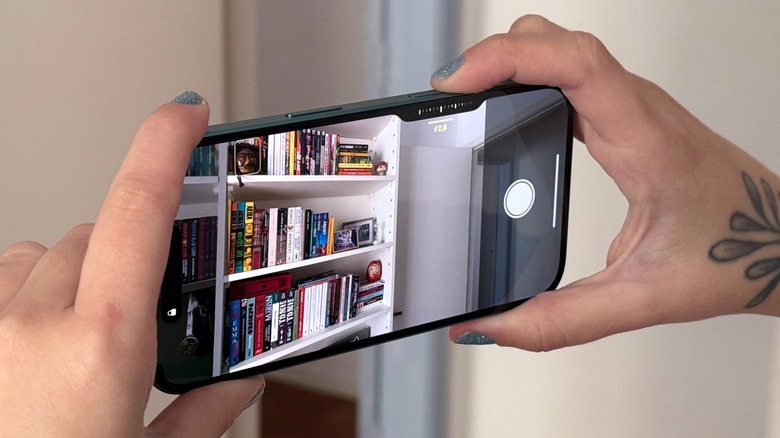
Speaking of new buttons, Apple introduced Camera Control with the iPhone 16 lineup (not available on the iPhone 16e). This provides quicker access to your iPhone camera, but you can also use it to open another camera app, such as Instagram, Halide, and so on. You can find Camera Control customization in Settings, Camera, and select Camera Control. Not only will you have several settings for this function, but you can switch the Launch Camera setting to open one of your camera apps. Just like the Action Button, you can completely turn this button off if you wish.
Visual Intelligence with ChatGPT
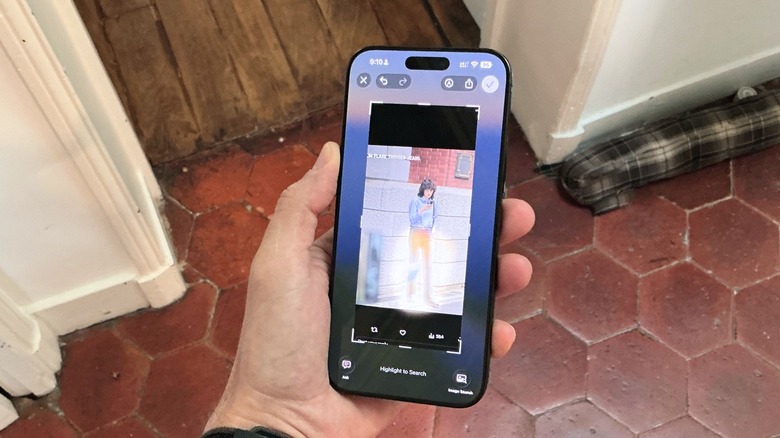
Visual Intelligence is another feature that is available in both the Action Button and the Camera Control. This Apple Intelligence function lets you quickly learn what's in front of you by long-pressing the Camera Control or by setting the Action Button to open this functionality.
It can quickly translate text, summarize information, read aloud, identify objects, plans, and animals, and answer your questions. You can even take screenshots and highlight a part of that screenshot to search for a piece of clothing or other data. However, to make it even more helpful, Visual Intelligence can be paired with ChatGPT. With that, Apple's AI platform can interact with the internet and some of the latest AI models to better understand your surroundings.
In Settings, go to Apple Intelligence & Siri, and choose ChatGPT under the Extensions tab. Users can use ChatGPT anonymously or log in with their account, adding an extra layer of personalization. Apple also warns users before sending a request to ChatGPT, so they can decide whether they want local information or help from OpenAI's model. In the future, Apple might offer other third-party LLMs, but they haven't been available as of iOS 26.2.
iOS 26 makes the Phone app a lot more useful
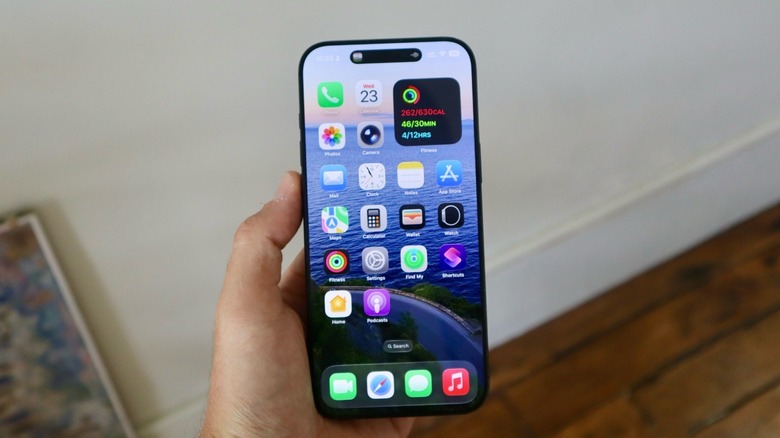
If you're tired of receiving spam calls all the time, iOS 26 revamps the Phone app experience with several settings and tweaks to avoid, once and for all, unwanted calls. The new call screening feature, also known as Screen Unknown Callers, can help you reduce the number of spam calls you get, as you can adjust your settings to only get calls from people you know. Go to Settings, Apps, and select Phone. From there, you can toggle Silence Unknown Callers. Apple explains that this feature silences unknown numbers, sends them to voicemail, and displays them on the Recent list.
Since you're there, you might want to set the new Ask Reason for Calling option, which can make your phone ask the reason why this unknown number is trying to reach you. Once the person replies, you can decide whether or not to take the call. There's also a new Hold Assist feature that can keep the call on hold for you while you wait in line to reach a customer care representative. Once someone joins the call, you can hop in as well.
Lock and hide apps and hide screenshots
Finally, one of the best features available for iPhone users is the ability to lock and hide apps. Introduced with iOS 18, users can long-press an app and decide whether to lock it with Face ID or hide it in a Hidden Folder. Even though this Hidden Folder can be found in the App Library, it's only accessible with Face ID — not even a passcode will work. With that, all apps under the Hidden App disappear from the App Library, Spotlight, and Siri suggestions. Still, they will appear on the App Store for a possible update and add the Apps section under the Settings app.
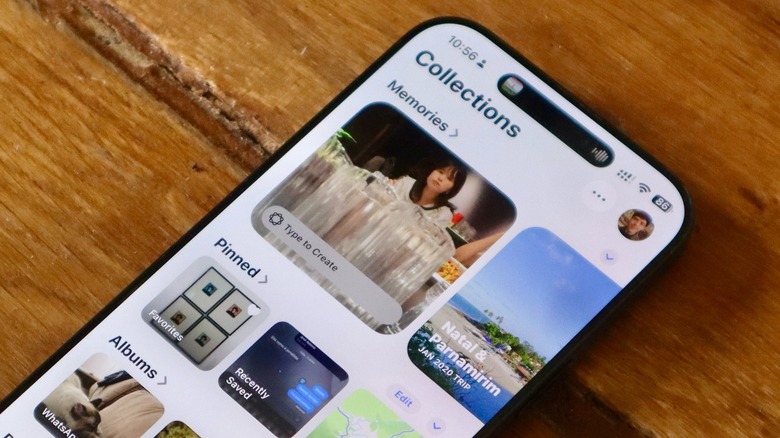
Another interesting functionality is the ability to hide screenshots. Introduced with iOS 26, users can split regular photos from screenshots. In the Photos app, just tap the menu option, select View Options, and remove Screenshots. Last but not least, you can also completely hide images from your library in a Hidden Photo folder protected by your face by tapping the photo (or selecting multiple photos), tapping the three dots, and selecting Hide. To put them back into your regular library, just go to that folder, tap the three dots, and select to display the images.