

5 Smart Home Myths You Need To Stop Believing (And What's Actually True)
Smart home upgrades are some of the most useful additions you can make to your house. They offer greater convenience, potential energy and cost savings, and even improved security. Yet many people continue to put these upgrades off due to common myths, such as them being overly expensive, difficult to set up and maintain, only suitable for newly built houses, or invasive of their privacy.
While many of these smart home myths sound sensible on the surface, they're often rooted in outdated information or misunderstandings around how modern smart home technology actually works. In reality, today's smart home gadgets are more affordable, accessible, and user-friendly than ever before.
Don't let these myths prevent you from taking advantage of simple upgrades that can improve day-to-day living, from smarter lighting and automated temperature control to hands-free voice assistants and added home security. Let's separate fact from fiction and find out what's actually true, so you can make informed decisions without second-guessing.
Smart homes are too expensive
Smart home gadgets have come a long way since their debut in the early 2000s. While they were indeed pocket-pinching back then, prices have dropped sharply over the years. It's just that the perception of them being expensive hasn't faded as much over time. The reality is that there are now plenty of affordable options, such as smart plugs, bulbs, and even entry-level hubs that cost under $100 and offer an excellent entry point into smart home tech. That's not to say that smart homes are always inexpensive. They can cost a pretty penny, they just don't have to.
A big part of the "expensive" myth also comes from the idea that smart homes are an all-or-nothing investment. That isn't true: You don't have to automate everything at once. In fact, it's often recommended to start with one or two devices, or even a single room, get a feel for how smart home automation works, and then gradually add devices that make sense for your needs.
Smart homes only work in newly built houses

While smart home technology is often associated with modern living, that doesn't mean your home needs to be designed from the ground up to integrate these gadgets. You don't need to knock down walls or install new electrical wiring or in-wall control panels to use smart home solutions. Whether you're a homeowner or a renter, living in a modern apartment or a Victorian-style house, automating your home is an option available to you. And when it's time to move, the same devices can be taken along and set up just as easily in a new home.
The vast majority of modern smart devices work over Wi-Fi or Bluetooth, and come with guided, step-by-step setup, which means installation is simple (often just plug and play), and requires no physical alterations to your home. For instance, all you need to do to get a smart speaker up and running is plug it in, connect it to Wi-Fi, and start using voice commands.
Smart homes aren't easy to use or maintain
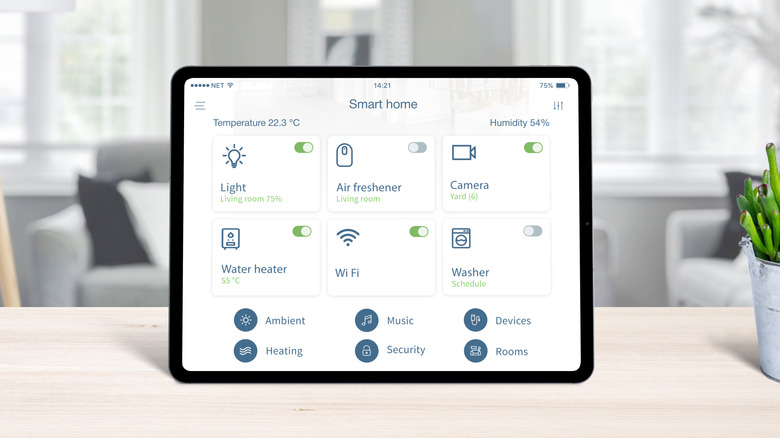
Don't confuse the "smart" label on these devices with complicated apps or endless settings. While smart home gadgets often give off the impression of being high-tech, that doesn't mean they require a huge amount of technical know-how. In fact, if you can use WhatsApp, you can use smart home devices.
They're intentionally designed so even non-tech-savvy people can use them without breaking a sweat. For example, once set up, using a smart fan is often as simple as opening the app and tapping a button. Alternatively, you can let automation handle it for you. Voice assistants like Amazon Alexa and Google Gemini further simplify things: Just say, "Turn on the living room lights," and it's done, without needing to open an app or touch a switch.
Smart homes are also relatively simple to maintain. Contrary to the belief that you have to juggle multiple devices and apps, most smart devices update themselves automatically in the background. Plus, unlike appliances such as air conditioners or refrigerators, they don't require regular servicing and can function reliably for years with little hands-on involvement. And if you do run into an issue you can't troubleshoot, the brand's customer support is usually there to help.
Smart homes increase your energy bills
Traditional "dumb" home devices offer a sense of reassurance: Once they're switched off or unplugged, they're assumed to consume no power. Smart home devices, by contrast, are often misunderstood, with people mistaking their constant connectivity for higher energy use.
In reality, a well-curated smart home can actually help save money by giving you a clear overview of which devices are running and which aren't, making it easier to spot energy waste. Devices like smart thermostats can learn your schedules and automatically adjust heating or cooling to avoid unnecessary usage. Smart lights use motion sensors to switch off when there's no one in the room. And smart plugs let you remotely turn off devices like TVs, set-top boxes, and routers when they're not in use.
While smart devices do draw some standby power, it's typically very low, often less than what a phone charger consumes when left plugged in. In short, smart home solutions are unlikely to increase your monthly electricity bills. If anything, they can help you save a few bucks, even if those savings might not be very significant in the long run.
Smart homes compromise your privacy
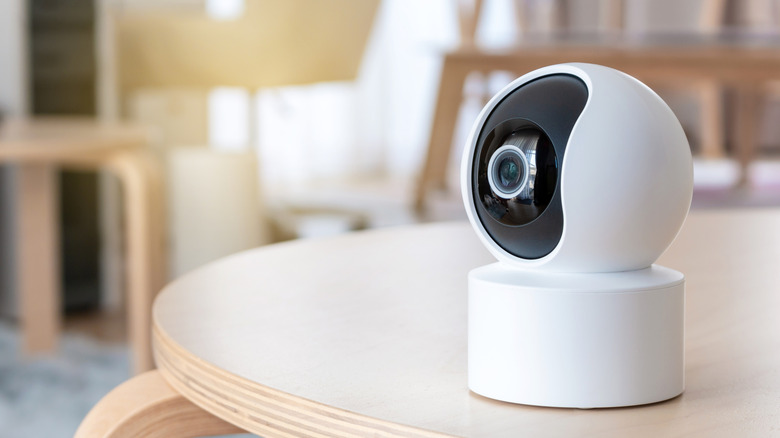
Online privacy is one of the hottest topics of discussion right now, and with data breaches becoming increasingly common, it's understandable to question the security and privacy implications of smart home devices. On the surface, a device that's constantly connected to the internet (and in some cases always listening or watching) can indeed sound invasive.
However, that perception doesn't tell the full story. Products from reputable brands such as Phillips use strong security measures such as end-to-end encryption, secure authentication (MFA/biometrics), and regular firmware updates to protect user data. This means you don't have to trade your privacy for a smart home's convenience.
While any internet-connected system carries some level of cybersecurity risk, smart home devices aren't uniquely dangerous compared to smartphones or laptops. They can be targeted by hackers, but the risk largely comes down to how they're set up and maintained. As long as you follow basic cybersecurity best practices, such as securing your Wi-Fi network and sticking to reputable providers, there's little reason for concern.
It's also worth noting that smart home devices can actively improve your physical security. Smart cameras and video doorbells let you monitor your home remotely, smart locks can notify you when doors are unlocked, and smart lighting can be automated to turn on when you're away to help deter potential intruders.