

Are 3D Printed Parts Actually Reliable?
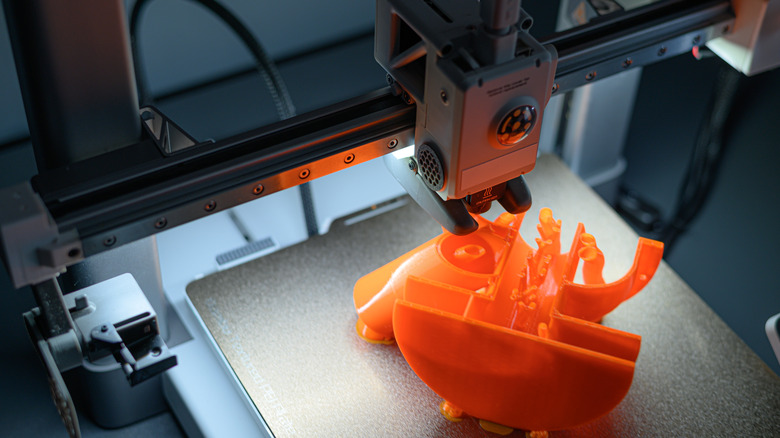
The power of 3D printing has revolutionized not just commercial endeavors like Europe's largest 3D-printed building but also personal projects in your own home. With some know-how and plenty of resin material, you can 3D print items for your entertainment, to be used in your home décor, and even for your car. But should you? Are all 3D printed parts actually reliable?
It depends a lot on what you intend to print. For some items, such as miniatures for tabletop RPGs (TTRPGs), 3D-printed parts made from resin are often very reliable, allowing you to print to your heart's content. For others, such as important car components, that reliability is up to question. It's much better to put safety first and not try to 3D print something that could lead to a catastrophic accident.
It's always important to follow the manufacturer's guidelines for safely handling resin-based 3D prints. Uncured resin is toxic and should never be handled without personal protective equipment (PPE). Filament-based 3D prints are safer to handle, but both types of printing materials require plenty of ventilation to avoid dangerous fumes. With some care and knowing what is okay to print and what isn't, you can be sure you have a reliable part for many years to come.
Reliable 3D printed resin parts
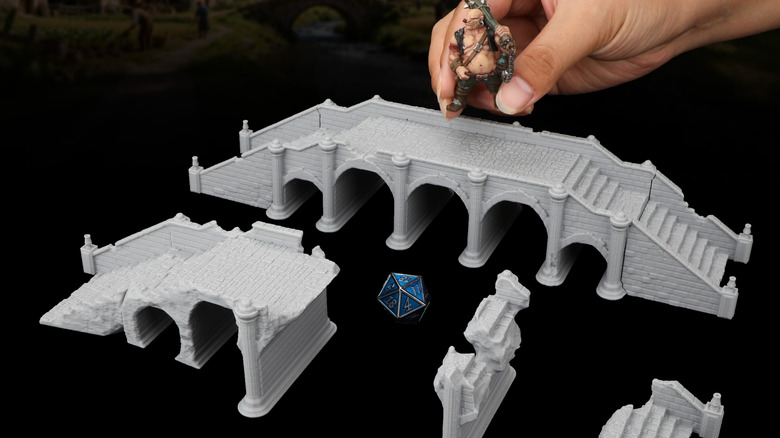
If you are looking to 3D print some car parts using ABS-like resin, items like dashboards and trim pieces will be reliable. These parts can handle some levels of heat and wear and tear relatively well. For your office, resin-printed parts that will hold up to long term use include custom business cards, organizers, and even trays or holders for pens and other items.
Using a 3D printer to enhance your hobbies offers many possibilities that are ideal for long-term and daily use. Printed miniatures, terrain, dice trays, and even dice themselves for TTRPGs and board games is a great use for your printer. Using resin is usually preferred over filament, as resin doesn't leave print lines behind; you just get a cleaner, more aesthetically-appealing look. 3D printing is also handy when you need to replace a lost board game piece or if you want to customize the game to better suit your own play style.
When it comes to 3D-printed items for use inside your home, some resin pieces are reliable while others are not. Creating your own unique and personally styled light switch covers, door knobs, and cabinet drawer handles offers a fun way to customize your home easily. You can also print décor like fun stands or displays for your TV console. Some other must-try 3D printing projects include costume pieces, simple musical instruments, and even small planters.
What shouldn't be 3D printed
While there are multiple options for printing parts that have strong long-term reliability and many projects that are great for beginners, there are also things that you should never use with 3D resin printing. You should be very careful if deciding to 3D print anything that will have contact with food. Chemical leaching can occur with these parts, and surfaces that aren't perfectly smooth can be a nesting ground for bacteria. Unless you feel comfortable printing something up to par with your kitchen utensils and sealing it in certified food-grade coating, it is best to avoid those projects. Even filament-based 3D prints don't get a pass here, as these also require a lot of extra steps to make the end product food-safe.
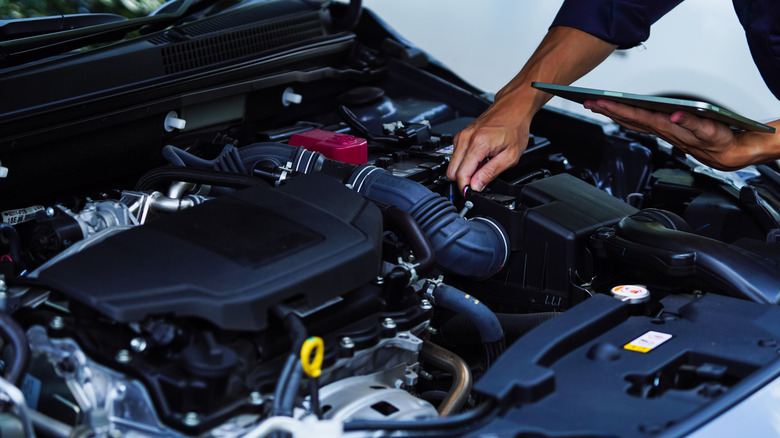
While some car parts are fine to 3D print in resin, you'll want to steer clear of others. Items that would go in the drive train, engine parts, and brakes are all extremely important to the overall function and safety of your car. Resin-printed parts are often inherently brittle unless you're using specific industrial resins, and are often unable to handle the intense heat, vibration, impact, and general complexity of the vehicle. Using a resin-printed car part in this way is simply a terrible idea.
Likewise, don't 3D print medical devices as they're unlikely to meet healthcare regulatory requirements or hold up for their intended use. Printing items that are going to be part of something that uses electricity can also be dangerous, as anything that doesn't meet industrial standards could cause electrical fires. Other items that may not be reliable when 3D resin printed also include bicycle and motorcycle helmets, chairs and step stools, and anything that's intended to contain contents under pressure.