

The Reason Why Some Power Banks Are So Cheap
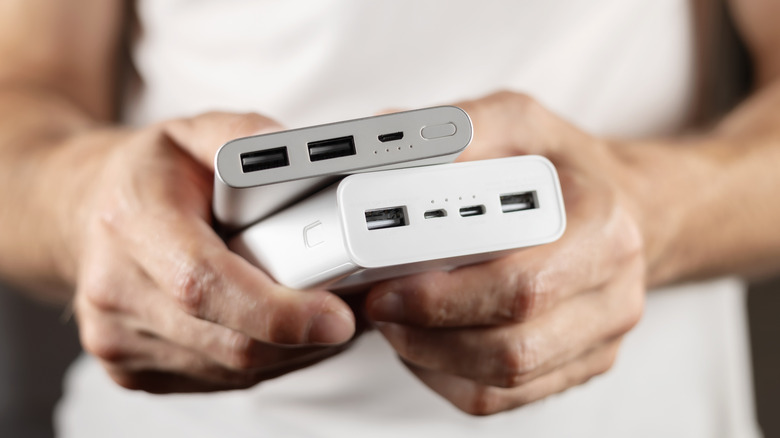
Everyone loves a bargain — especially when it's time to buy new tech devices. Nowadays, it's common to find offers that look good at first sight, such as cheaper power banks claiming higher battery capacity. However, after buying this kind of product, users sometimes find that they fail to deliver what they promise — namely, charging your phone or other devices several times over. Sometimes, they aren't even capable of doing that once.
The truth is that the tech market is flooded with products like these, designed to exploit the lack of knowledge that some buyers may have. So, for example, a power bank that promises a high battery capacity but costs much less than other premium options often does so because it uses low-quality components.
For users, understanding the reasons why some power banks are so cheap while others carry a premium price is important — not just to avoid spending money on a low-quality product, but also to find the best portable power bank available that will protect their electronic devices from possible and permanent damage. Ultimately, learning how to evaluate specifications and questioning offers that seem too good to be true are vital to avoiding frustration.
Cheap power banks often lie about battery capacity
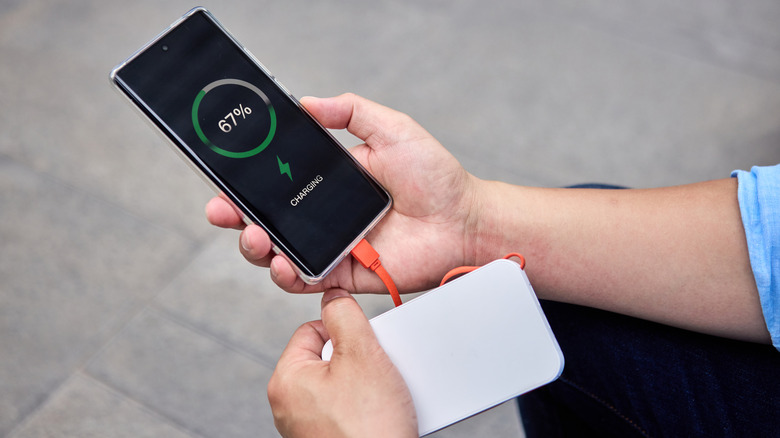
The main reason cheaper power banks often deliver a different battery capacity than the one advertised on the box is simply marketing. The power bank niche is crowded with manufacturers competing for attention, so while some names — like Belkin or Anker — attract users' attention because they're trustworthy, other brands don't have the same reputation. To gain new customers, they market a low-priced gadget that promises a high charging capacity.
However, behind these aggressive marketing tactics lies a hard reality. High-capacity lithium battery cells have a fixed manufacturing cost, making it difficult to offer a truly high-capacity device at a low price without cutting corners during production. As a result, when users come across a no-name power bank that claims to have a 30,000 mAh capacity or more for just a few dollars, it's usually nowhere near that rating — making it one of those tech items people should think twice about buying from places like Amazon.
Furthermore, technical limitations related to energy conversion efficiency are typically ignored or exaggerated in these budget products. Even the best devices on the market lose about 30% to 40% of energy during power transfer from the battery cells to a phone. However, lower-end manufacturers tend to hide this loss or use inefficient circuits that waste more energy as heat. As such, a cheap power bank may run out of charge much sooner than you expect.
Why premium power banks are worth the price tag
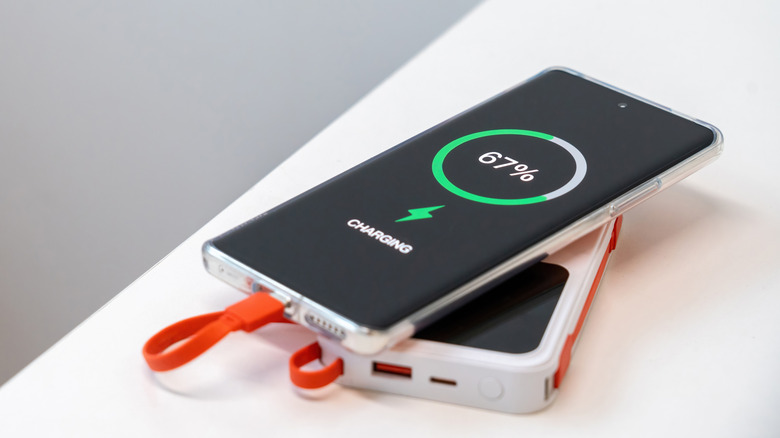
While major brands don't offer the same high-capacity power banks at a low price, they do offer products that deliver what they promise. These high-quality batteries go through extensive testing and certification processes that ensure the devices have protections against issues like overheating, short circuits, and overcharging. By comparison, cheap alternatives often skip these safety measures to reduce costs — or even misrepresent them — which can result in a battery damaging a device or becoming a fire hazard. Even established brands are not immune to these risks, as seen in reports of fires and explosions that led to large-scale recalls.
Another factor that affects the price of a power bank is charging speed. Newer models that support protocols like USB Power Delivery (USB-PD) require proper chips to communicate with devices and control the charge safely. Cheaper power banks usually rely on older and simpler technology that only provides slow charging. As a result, a budget model may take hours to reach the same state of charge a high-end device can deliver in as little as 30 minutes.