

Why There's Simply No Need For An iPad Anymore
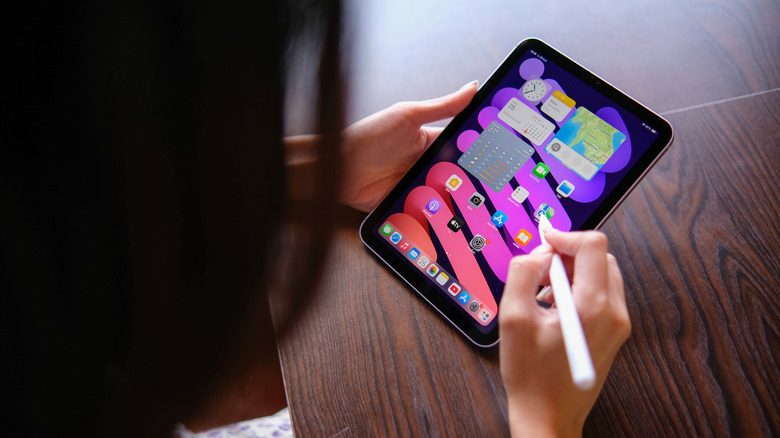
The iPad is one of the key hardware products Apple makes, alongside the iPhone, Mac, Apple Watch, and AirPods. It has been a key product since the first-generation iPad was unveiled in 2010, and over the years, Apple has continued increasing the number of different iPads in its lineup. But iPad users may soon find there's no need to keep using Apple tablets or upgrading to new models. That is, if rumors pan out and Apple launches the first foldable iPhone and the first MacBook Pro models with touchscreen OLED panels. These products will debut with features that may satisfy the needs of iPad owners and reduce the need to use a tablet rather than another Apple device.
That said, the iPad will not disappear overnight from Apple's inventory or households. Apple has positioned the iPad as a standalone computing device that can replace a laptop. The iPad Pro and iPad Air models feature the same high-end chips as MacBooks. Also, Apple has said repeatedly over the years that it doesn't intend to merge the tablet and laptop lines, even though they share the same silicon and offer similar software experiences.
As for iPad owners, some people may prefer using an iPad in addition to an iPhone and a Mac, rather than replacing the tablet with a foldable iPhone or a touchscreen OLED MacBook Pro. It may be cheaper, too. Rumors say the foldable iPhone may cost up to $2,400. MacBook Pro models start at $1,599, while the cheapest iPad 11 starts at $349. But in the long run, the iPad's reach may shrink if the foldable iPhone and OLED MacBooks become popular with consumers.
How the foldable iPhone can replace the iPad
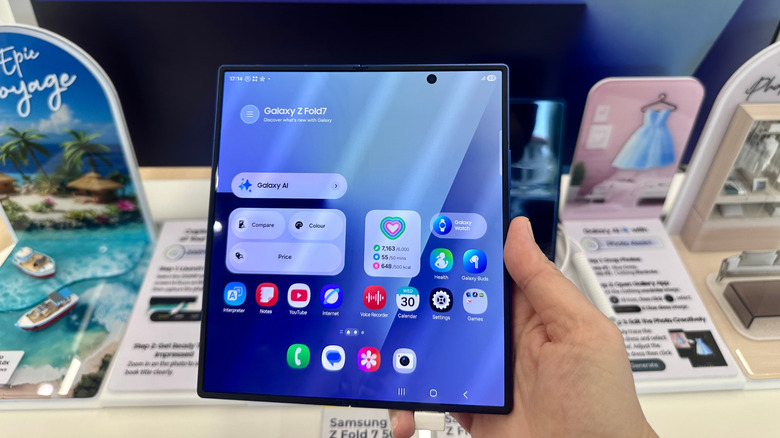
By the time Apple unveils the foldable iPhone, Samsung is likely to launch its eighth-generation Galaxy Z Fold model. While Apple may be late to the foldables market, the iPhone maker is expected to bring at least two key innovations that will make the iPhone Fold stand out. First, rumors say the foldable handset will not have a crease in the middle of the display like most of its rivals. Second, Apple's book-type foldable will have a different aspect ratio than Samsung's Fold models. The iPhone Fold should be shorter and wider when folded, a design companies like Oppo have tried in the past. Unfolded, the iPhone Fold becomes a rectangular tablet similar to the iPad mini. The Galaxy Z Fold models unfold into squares, which is uncommon for Android tablets.
Put differently, the foldable iPhone may offer better tablet experiences than Samsung's Fold versions, while also improving one-hand operation when the device is closed. Rumors say the foldable iPhone will have a 5.3-inch cover screen when folded. Unfolded, the display enlarges to 7.8 inches, which is close to the iPad mini's 8.3-inch screen size. The foldable iPhone should also feature high-end specs, including the A20 chip paired with 12GB of RAM. The device will likely offer similar performance to the iPad Pro.
Finally, there's the software experience. iOS and iPadOS already look similar, with the latter being optimized for the larger screen experience on tablets. It's likely that Apple will create a custom iOS 27 version for the foldable handset, one where phone and tablet experiences will blend. The device may offer an iOS experience when folded and an iPadOS experience when unfolded, though that's just speculation.
The OLED MacBook Pro, a dream come true?
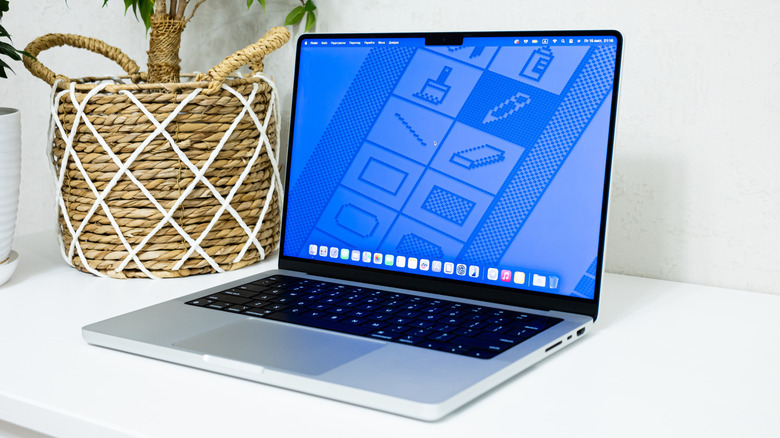
The iPad Pro runs on the same M-series chips as the MacBook Air and MacBook Pro. Add the thin profile and the tandem OLED screen, and the iPad Pro may be more appealing to some users, especially after the iPadOS 26 update that improves multitasking. But Apple is rumored to unveil a significant M6 MacBook Pro redesign this year. The 2026 MacBook Pros are said to feature OLED panels, a first for MacBooks. The OLED panels should also have touch support, another first for MacBooks. Finally, the new MacBook Pros should be thinner and lighter than their predecessors.
If all that pans out, an OLED MacBook Pro will behave more like an iPad. It will offer the same high-end screen experience as the iPad Pro, and offer touch support, a feature longtime users have wanted for years. As a reminder, Windows laptops already come with touchscreen displays. A thinner, lighter MacBook Pro would also be more comfortable to use, which is one of the advantages of the iPad. But rather than using the iPad inside a keyboard case, you'd have access to a full-fledged computer with both a touchscreen display and a built-in keyboard.
Also important is the macOS experience, which offers a richer computing experience than the iPad Pro. Running multiple Mac apps side by side, and controlling them by touch will be a dream come true for some MacBook users who have struggled to be as productive on the iPad as they are on the Mac. They would not need an iPad if the Mac can largely behave like one.