

The Reason Why Some Phone Chargers Are So Cheap (And Others Aren't)
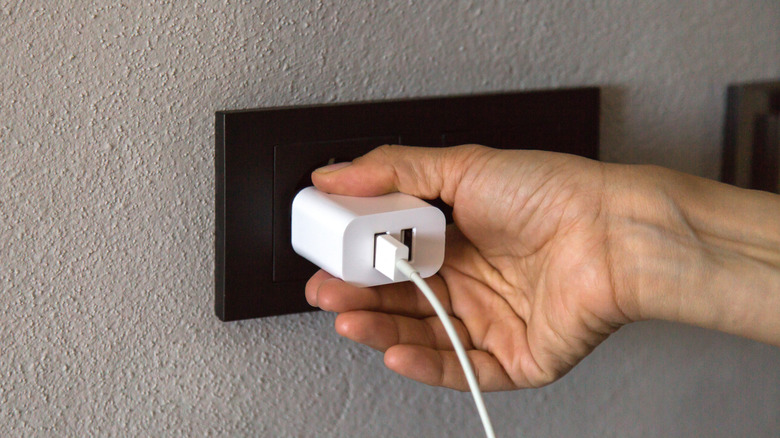
When you first purchase a new device, the charging adapter that comes with it — if it includes one — is typically of decent quality. You might find that any others you purchase and try to use either don't charge as fast or simply aren't reliable. Why is that? What makes some chargers so different from others? There are actually several factors at play here, not the least of which has to do with the power capabilities of aftermarket chargers and power adapters.
The first thing to establish is that not all aftermarket chargers or adapters are of poor quality. You can buy fantastic options from brands like Anker, Belkin, and UGreen. Furthermore, price doesn't really come into play, at least not on a grand scale. You don't want to go crazy cheap unless there's a big sale. But you also don't have to spend hundreds on a reliable charger, either. There are many great USB charging cubes and charging hubs out there.
As for why some chargers and adapters are so cheap, it all comes down to where corners are cut to keep costs down. The use of substandard materials and components, poor build quality, omitted safety protocols, and poor quality control could all result in defective and dangerous devices. Relying on a poorly built adapter leads to higher risks, especially when safety standards aren't followed. Cheap adapters can even damage your devices, so it's important to purchase a quality charger or adapter.
How to choose a reliable USB charger or power adapter
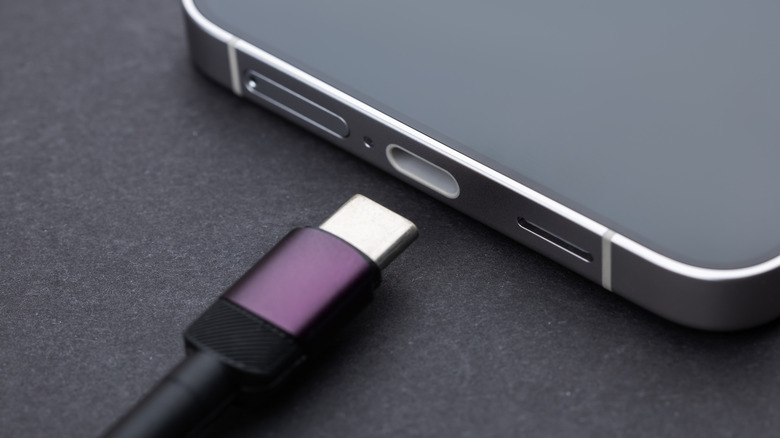
The good news is that there are ways to research and review power adapters before you plug in your devices or spend any money. While shopping, look for UL and USB-IF certifications, as they're good indicators that the electronics in question meet strict safety and optimal usage conditions. You can usually check for these logos on the store listings, on the packaging for the device, or on the adapters themselves, either as a sticker or painted on the shell.
Also consider your phone's ideal power needs, which are denoted in wattage or volts. Many phones need 18 watts or more for fast charging, but more importantly, you need to ensure the port supports it, as USB-A ports have power limitations. Each type of USB port, from USB-A 2.0 to USB-C, delivers a different amount of power. Plug into an adapter with the wrong type, and you might as well be using no charger. Furthermore, the USB Power Delivery protocol, which supports up to 240 watts, offers increased power levels that may be necessary to charge the newest phones, tablets, and laptops. So you may be better off looking for a PD-capable charger or adapter.
Finally, look for safety protocols built into the charger, hub, or adapter. In store listings, these will be explained as various protections against overcharging, overheating, and other concerns. This is another reason why you should think twice before leaving your phone charger plugged in all day, even if it's a reliable model. It could be a fire hazard, among other risks. Additionally, unused USB chargers waste electricity when plugged in all the time.