

What Does HDMI 2.2 Actually Mean?
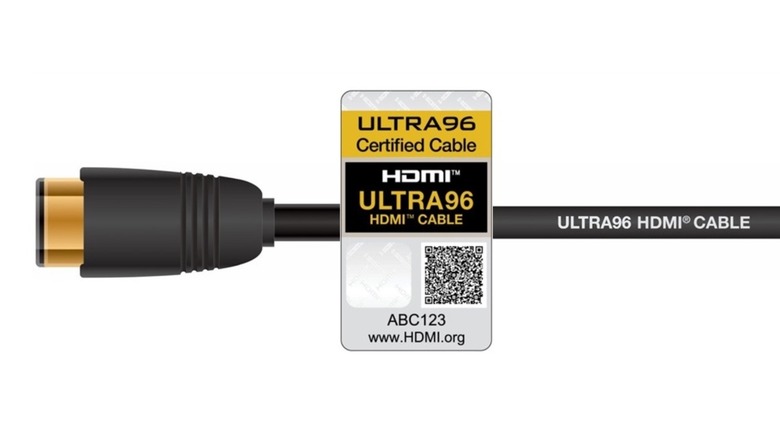
At CES 2026, the HDMI Forum offered a preview of the new Ultra96 cable, which will be used for the new HDMI 2.2 standard introduced at CES 2025. This new version was announced eight years after the Forum behind HDMI revealed standard 2.1. With almost a decade setting these two technologies apart, it's only natural to assume that this tiny number will actually make a huge difference in the years to come, as it will offer way higher bandwidth to improve audio and video technologies up to 16K.
During this past decade, the HDMI 2.1 standard became widely adopted on smart TVs, computers, projectors, and other devices. Now, this new 2.2 version will focus not only on the products you're already used to, but also on upcoming augmented reality (AR), virtual reality (VR), and mixed reality (MR) applications. While no company currently offers HDMI 2.2 support, we'll likely see some promises and products in the coming months and years.
HDMI 2.2 focuses on these major features
HDMI 2.1 supports up to 48Gbps bandwidth, but HDMI 2.2 will double that, making it the first major feature of this new standard. With next-gen HDMI Fixed Rate Link, the second improvement will be support for more resolutions, such as 4K240fps and 8K60fps, in uncompressed format with full chroma and 10/12-bit color. The HDMI Forum says that 10K, 12K, and 16K resolutions will also be supported with version 2.2.
While 96Gbps will be the maximum bandwidth supported by HDMI 2.2, manufacturers will be able to choose between lower options, such as up to 64Gbps or 80Gbps. Still, all three options of the cable will be able to use the "Ultra96" certification brand name.
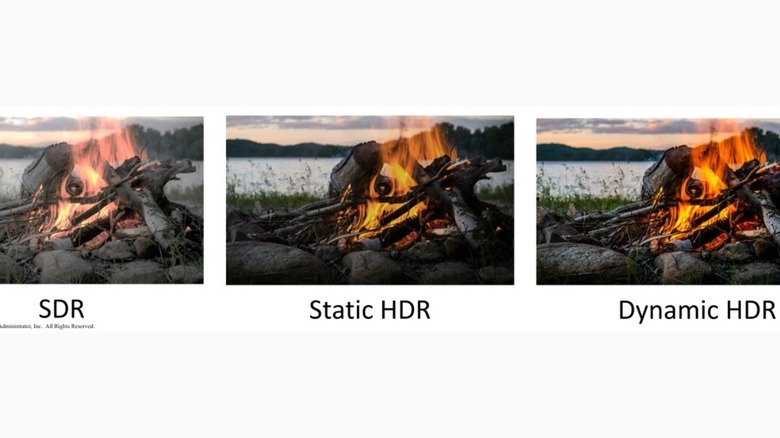
The HDMI Forum says that this new standard will improve latency, creating new frontiers for audio and video synchronization for everyday experiences, gaming, and other applications. Dynamic HDR support and improved eARC support are also part of the new standard. That said, everything that HDMI 2.1 introduced can look a lot better with this new version, including Variable Refresh Rate with reduced or no lag at all, Quick Frame Transport for no-lag gaming and real-time VR experiences, and Quick Media Switching, which will eliminate the delay when changing different content resolution and frame rates.