

Why Car Headlights Changed From A Warm Yellow To A Blinding White
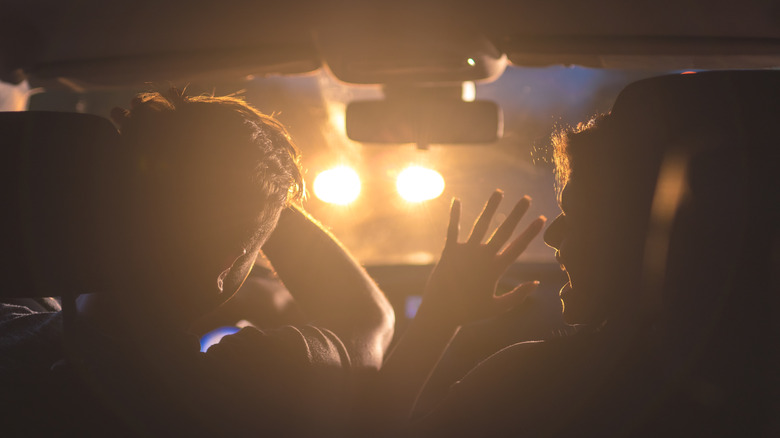
If you are driving at night and get annoyed at the brightness of oncoming headlights, you are not alone. Complaints about headlights are on the rise, not just from traffic coming toward you in the other lane, but also from cars driving behind you. It is not a matter of getting older or jaded with inconsiderate drivers — headlight beams actually have gotten brighter and whiter as technology evolves and car makers adopt newer technologies.
One reason why headlights appear brighter now is a change to the bulbs used in vehicles. Previously, many cars used halogen bulbs, which usually had that trademark warm yellow color. Now, many automakers use LED bulbs. Most "white" LED lights actually start as a blue LED, which is then filtered through a phosphor layer to convert some of that light into longer wavelengths. This gives the appearance of white light being emitted — but it's typically a cooler, bluer white compared to halogens.
LED headlights are functionally brighter and bluer, which impacts your night vision
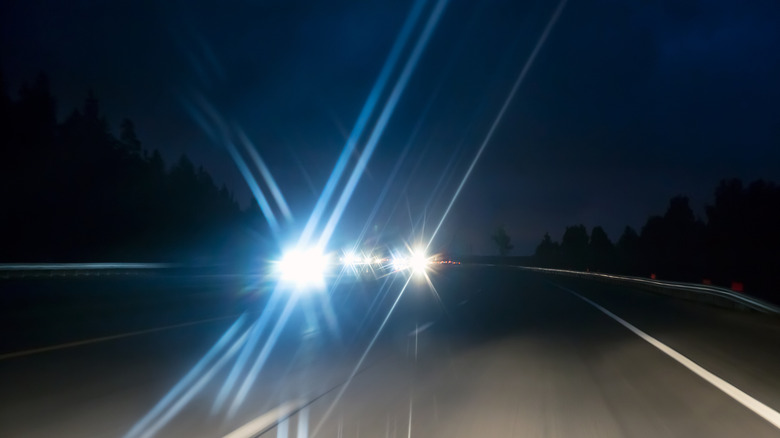
One reason people enable the Night Vision feature on their phones is to reduce eye strain from blue-leaning light. That same bluish quality of LED light is a big part of why headlights generally appear brighter nowadays. When driving at night, your eyes use more rod cells than they do in daylight, and rods respond more strongly to bluish light. So the cooler whites of LED headlights can look brighter and harsher than warmer halogens, even when both are putting out a similar amount of light. Even still, there are benefits to using LED lights that have prompted this switch.
Car makers made this switch because LED lights are functionally brighter than their halogen counterparts, so drivers with these lights can see the road ahead of them more easily. Since they're directional light sources, LEDs help concentrate more light on the road ahead, enhancing what is actually important for the driver to see. Of course, the brightness and the directness are contributing factors in other drivers feeling as if they get blinded.
Cars are now taller, too, but brighter headlights might not be such a bad thing
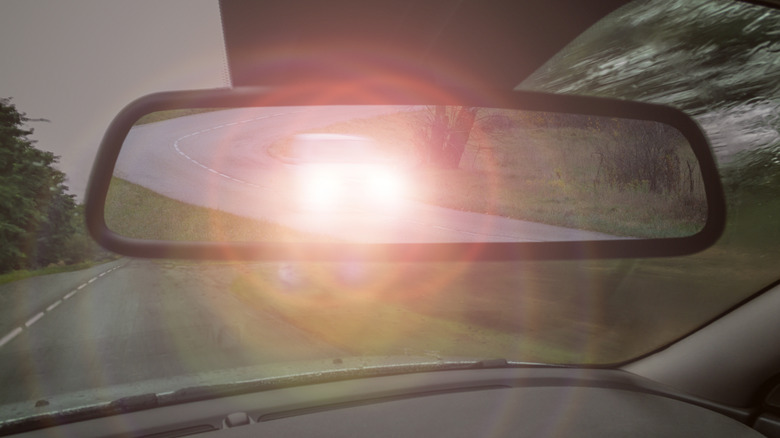
Finally, vehicle height has a lot to do with headlights seeming too bright these days. Trucks and SUVs are very popular, and that popularity is only set to grow, with several new electric SUV models in the pipeline for 2026. The heights of these vehicles, however, put the headlights more in line with the eyes of drivers in smaller cars. So the combined problems of the switch to bluer LED lights, the brighter and more direct beams, and the taller vehicles all make today's headlights seem more blinding and distracting on the road.
These brighter headlights make riding in a robotaxi seem appealing, as there is no human driver to be blinded. However, as annoying as they may seem, headlights are not the cause of a huge amount of vehicle crashes. According to data from the Insurance Institute for Highway Safety (IIHS) and the Highway Loss Data Institute (HLDI), about one or two out of every thousand car crashes cited headlight glare as a contributing factor between 2015 and 2023. Across that period, the number of vehicle accidents resulting from poor visibility at night due to lack of good lighting actually decreased. So car makers switching to brighter LED headlights may have actually made driving at night safer, though they still contributed to some accidents.