

5 Rules To Know Before Buying An Android Phone
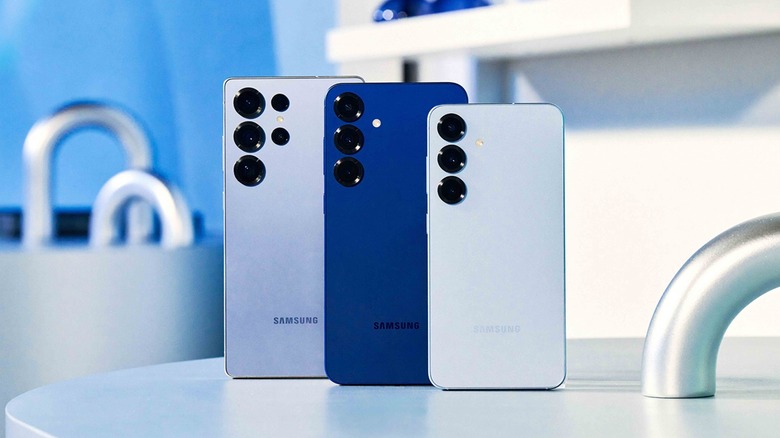
Following a few simple rules when you're in the market for a new Android phone can make the process much less stressful. Major smartphone brands drop countless new models each year, and these add to the overwhelming choice already available on the market. You don't need to worry about all the options out there because we'll help you find the perfect phone to suit your budget and lifestyle.
The available models sit in different pricing tiers and offer varying performance for their target demographics. Instead of looking at phones first, the best place to start is to identify your needs and preferences and work from there. Knowing how much you want to spend and prioritizing the features that matter to you can simplify the process and narrow down the contenders. This might not be as easy as it sounds if you aren't familiar with the phone market, but our list of rules for buying an Android phone will streamline the buying process and make it faster and less stressful.
Start with a budget
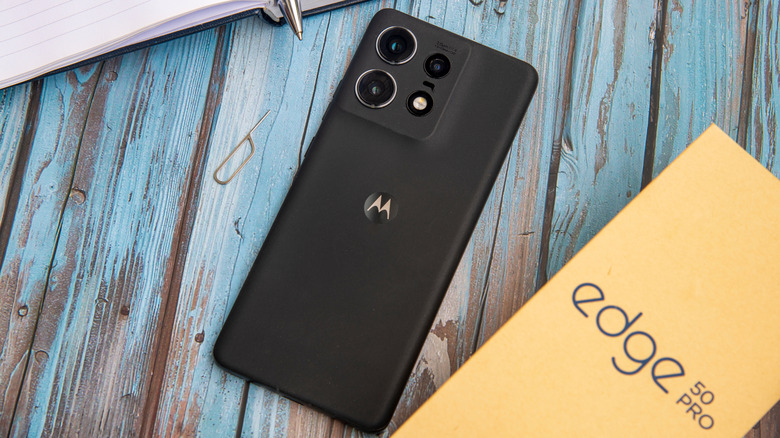
Setting a budget is the best place to start because you can eliminate irrelevant models and stick to options within your preferred price range. Android phones come in every pricing tier, so you're bound to find one that suits you. Entry-level models from reputable brands, like Motorola's Moto G, startsat around $120, while Samsung's Galaxy A16 goes for $200. They get the job done for basic tasks, like calls, messaging, and browsing the internet, but lag behind more expensive models in areas like display quality and camera performance.
When it comes to mid-range phones, Samsung's Galaxy A56 5G goes for around $550, while the Motorola Edge is around $500. Google's cheapest model, the 9a, is also a mid-range phone and starts at $500. These phones are probably the sweet spot for most buyers, offering acceptable all-around performance at a reasonable price. They'll be sufficient for most tasks but will have limitations if you push them too far. They might also exclude comfort features like wireless charging, which are reserved for higher-end models.
Flagship phones, like Samsung's S25 Ultra, start at $1,050, while the Google Pixel 10 Pro goes for $1,000, and the Motorola Razr Ultra is $1,300. These phones offer uncompromising performance and the latest tech features. They're also built from premium materials and have high durability ratings. However, they don't come cheap and are often overkill for users who won't use them to their full capacities.
List the features that matter to you most
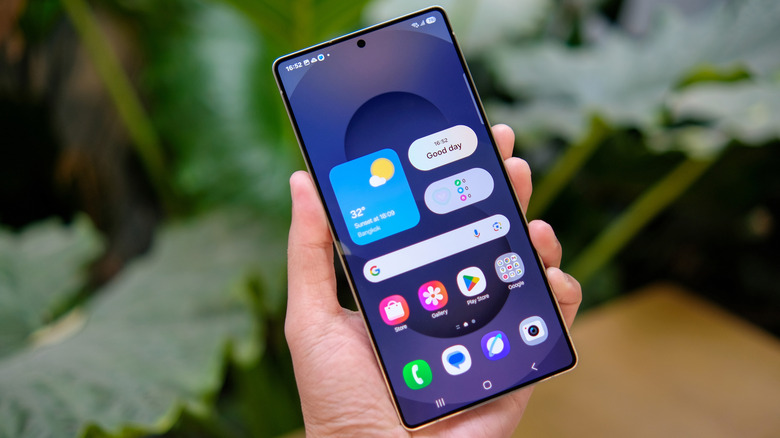
Listing the features that matter most to you will help you narrow your choices. These features will be based on what you mainly use your phone for, so it's best to start there. You'll need to consider your daily tasks, like calls, messaging, or social media and think about other occasional uses, like gaming or photography, that you'll probably use your phone for. If you already have an Android phone, you can view a detailed breakdown of your phone usage in the Digital Wellbeing app.
Everyone has different priorities. Some users will want a basic phone that gets the job done, while others might need a quality screen for watching videos or a high-end camera for professional use. No phone is perfect, and you'll need to find the best compromise you can accept within your budget.
An easy way to do this is by compiling your list of at least five must-have features, like battery life, camera, storage capacity, etc., in order of their importance. You can then compare the phones you're considering to your list to see how they stack up. It shouldn't be difficult to find contenders, considering how many options you can choose from. If it's still hard to decide, you can always add more features to your list to further reduce the options.
Consider your power requirements
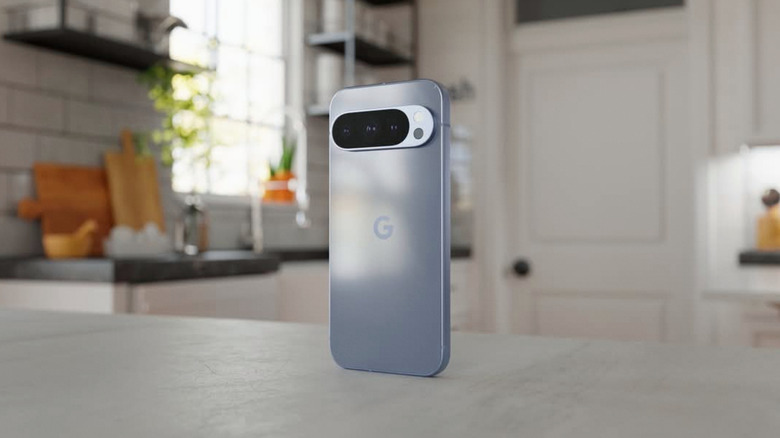
All the features you've prioritized will require sufficient resources to run smoothly and efficiently. These usually come down to the processor, RAM, and storage capacity. You can think of the processor and the phone's engine that powers the OS and apps. The most powerful smartphone processors have built-in GPUs and cores, which determine the device's overall performance. Low to mid-range processors will be fine for basic tasks, but you'll need higher-end options if you're running AI apps, playing games, or into content creation.
RAM also makes a difference to your phone's performance. RAM is the short-term memory where open apps are stored while they're being processed, and more RAM will mean your apps run more smoothly. Modern entry-level phones, like the Samsung Galaxy A16, start at 4GB of RAM, while the mid-range Galaxy A56 has 6GB or more. The top-tier options, like the Samsung Galaxy S25 Ultra, have between 12 and 16GB depending on the configuration.
Your phone's storage capacity determines how many games, apps, and other information you can store. You won't need much onboard space if you run basic apps and use cloud storage for your media library. However, you'll need more if you have large games and app installations or prefer to keep your files offline. To give you an idea of what to expect, Motorola's basic Moto G offers 64GB, while the mid-range Edge has 256GB, and the Flagship Razr Ultra goes up to 1TB.
Don't skimp on durability
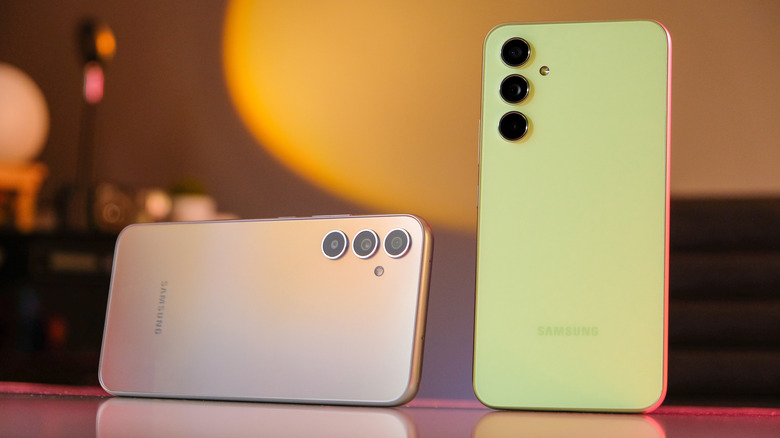
Buyers often get distracted by performance and comfort features and overlook build quality and durability as critical factors when purchasing a new Android phone. It might not be important if you're buying an easily replaceable entry-level model. However, it's worth considering if you're making a significant investment in a pricey flagship you expect to use for at least a few years.
IP ratings are a verifiable way to gauge your phone's sturdiness. Entry-level phones, like Samsung's Galaxy A16, have a low IP54 rating, meaning they can withstand limited amounts of dust and light water splashes. On the other hand, the flagship Samsung Galaxy S25 has a higher IP68 rating. This means the phone is protected from dust and can withstand submersion in 1.5 meters of water for up to 30 minutes. Brands advertise these ratings as a guideline, but they should be taken with a pinch of salt, and it's not recommended to put them to the test.
Durability extends to warranties and software updates. Reputable brands like Samsung and Google offer at least a one-year warranty on their Android phones. You can sometimes pay for extra coverage to protect your devices against accidental damage or theft. Flagship phones, like the Samsung Galaxy S25 series and Google Pixel range, now offer up to seven years of operating system and security updates. It varies with lower-end models, which can be anywhere between two and six years, depending on the brand and model.
Find the best deal
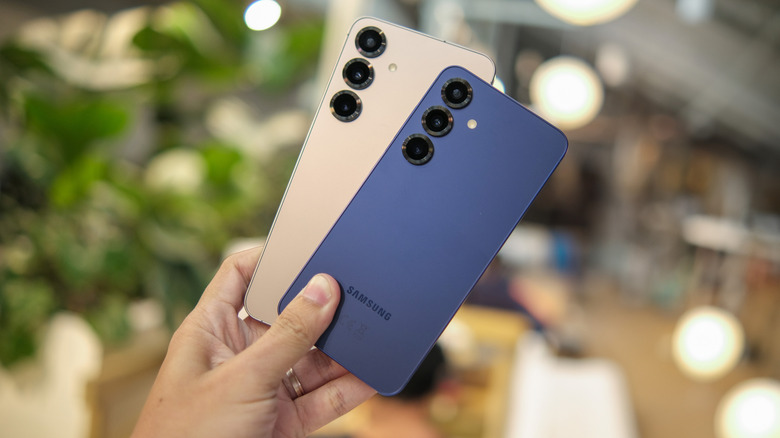
After narrowing down your list of possible contenders, it's time to find the best deal. It's worth shopping around because you can often find phones at reduced prices on platforms like Amazon or Best Buy, compared to paying the full retail price on the official site. If you're patient, you can also wait for seasonal shopping events, like Black Friday or Cyber Monday, which often have fantastic markdowns on phones.
Savvy buyers can also get last year's phones at amazing prices after the newer models drop. There's often limited stock, so you need to time it right to avoid renewed models, which can be hit-or-miss and often have short 90-day warranties. For example, you can find the latest Samsung S25 Ultra for around $1,050 on Amazon. The older Galaxy S24 Ultra is going for around $850 on Amazon, and you'll still get a capable flagship and save $200.
We've mentioned Samsung, Motorola and Google phones in this article because they are amongst the most popular Android brands in the US and are offered by most carriers. However, you should feel free to try Nokia, OnePlus, and other reputable Android brands if they meet your requirements.