

Why There's Simply No Need For Dual Graphics Cards Anymore
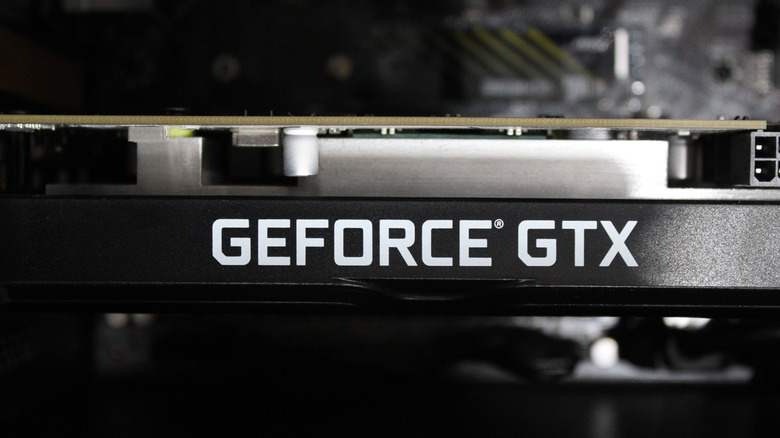
Back in the day, I assembled a custom desktop PC that used SLI, which stands for Scalable Link Interface. It was a way to use two compatible GPUs in tandem to pool resources and, theoretically, gain more power to run games. SLI was an NVIDIA feature that required you to use two graphics cards from the same series, or two identical cards, and they had to be bridged with an SLI connector, which is a small adapter that linked the cards physically. It also required two PCIe slots on your motherboard for the cards and a bulky power supply, all things that weren't as common at the time. AMD had a similar technology called CrossFire.
When dual GPUs worked, it was great, but setting them up properly was the problem. SLI didn't always work as intended and would even show stuttering due to a desync between the two cards, which meant you didn't always get a good return on investment if you purchased two GPUs specifically for SLI. Performance improvements came through driver upgrades from NVIDIA, and games at the time had to be designed to take advantage of the extra power. Moreover, because it required the adapter and its connector, manufacturers had to build the cards with SLI support, which didn't always happen either.
As individual cards became more powerful, buying multiple cards to achieve the performance of a single unit started to make less sense. The current memory shortage may make GPU prices increase more than usual, but buying a more powerful card used to be worth the price rather than buying a second one. That, coupled with low developer support, intermittent performance benefits, and Nvidia deciding to stop support for the tech, all eventually led to its downfall.
When did SLI support officially go away?
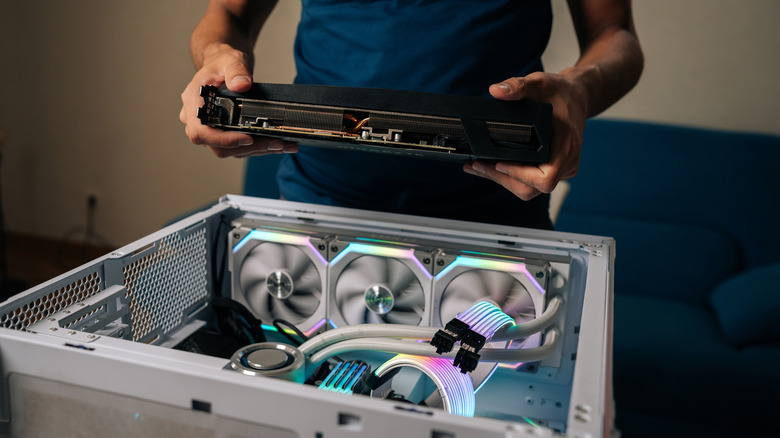
While widespread SLI use ended long before it, the technology's death knell came when Nvidia ended support in 2021, announcing no new SLI game profiles would be added in software updates. That meant you couldn't use the protocol in newer cards or games, even if you wanted to. Later, with the removal of the NVlink SLI connection in the RTX 40 series, that was basically the final blow.
It wouldn't really make much sense to have SLI these days, anyway. Graphics cards are much more expensive, heavier, larger, and require a ton of power. That would likely ruin any performance boost solely based on the outrageous costs, and some standalone graphics cards aren't really worth the cost anyway. Imagine spending the money on two or more.
However, if you do have an extra GPU lying around, don't throw it out. There are still some clever things you can do with old graphics cards, such as adding them to a media server or building a small form factor PC for retro gaming. You can still use dual GPU setups for specialized tasks and applications like 3D rendering and AI training, though buying an extra card just for that is not advised.