

4 Common Problems People Are Having With The Rivian R1
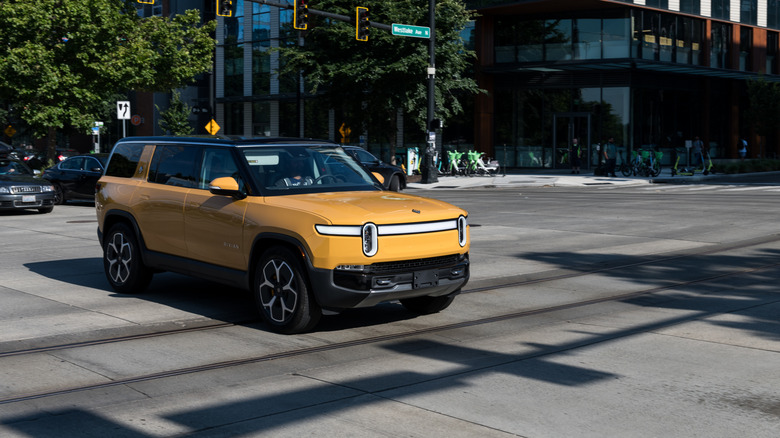
Rivian currently has two R1 models, the 2021 R1T pickup and the 2022 R1S SUV. They were first unveiled at the 2018 LA Auto Show and traveled a long road before becoming available on the market. Despite the long lead-up, Rivian's first batch of EVs have been plagued with some common problems that have made the experience with these electric cars less than ideal.
Nonetheless, Rivian is continually working to fix these issues, and the company seems eager to offer support to affected consumers. After all, it's directly competing against Tesla and so many classic vehicle manufacturers that have been experimenting with EVs, so it has a reputation to both build and maintain.
At the same time, Rivian is focused on moving forward with the upcoming R2 generation and the already-unveiled high-performance R3 crossover. This may give consumers pause when considering the brand, if Rivian is unable to resolve longstanding issues before unveiling an all-new lineup. That is why we've put together this list of the most common problems plaguing Rivian R1 owners, in addition to what the company is doing to address them.
Incorrect rear-end service procedures lead to a massive recall
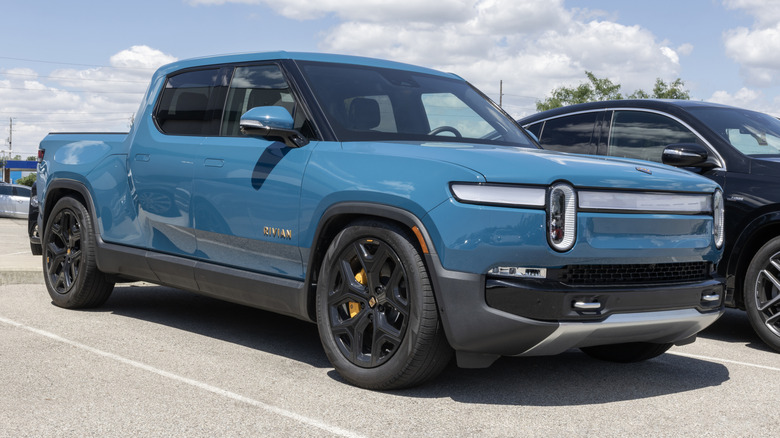
In January 2026, Rivian issued a recall for almost 20,000 R1 models after some vehicles were serviced using an older rear suspension procedure. In some cases following repairs, the rear suspension toe link joint may not have been reassembled correctly and could separate, increasing crash risk. These vehicles include models from 2022 to 2025. In total, 12,610 R1T pickups were affected and 7,031 R1S SUVs.
Rivian explained in a regulatory filing that when technicians would separate and reassemble the rear suspension toe link joint, they were using "an older service procedure." That has now been updated. The EV maker says this faulty method could result in the toe link being split from the vehicle while being driven, which could increase crashes. Car and Driver reports that at least one crash happened due to this now-issued recall. Fortunately, nothing too serious happened, and Rivian said it would begin notifying affected owners in late February 2026.
There have been multiple issues with the 12V auxiliary battery
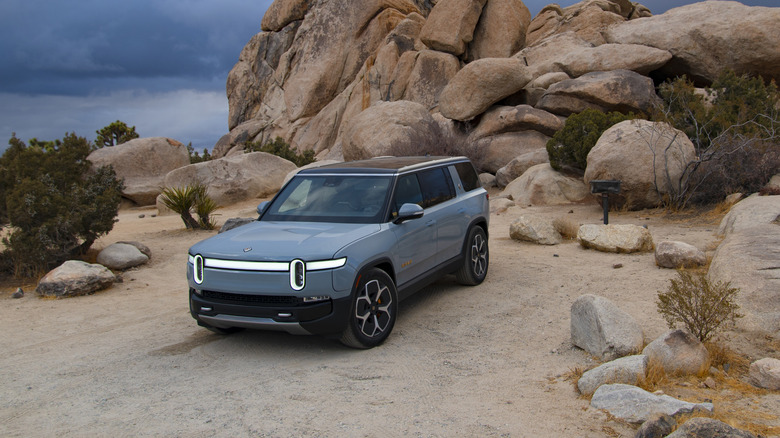
Just like most modern vehicles, Rivians feature a 12V auxiliary battery, which is essential for vehicle electronics and safety. However, if this battery fails, the vehicle can fail to start, trigger error codes, or end up completely unresponsive, even though there's nothing wrong with the main battery powering the drivetrain.
Users report that the battery bracket has been poorly designed under the passenger seat in the Gen 2 models, as they can corrode and damage the battery case. In earlier models, drivers report that vampire drain and frequent wake-ups can run the 12V system down while parked, and Rivian has said a software bug in a small number of vehicles could also trigger 12V resets.
Rivian has since issued over-the-air updates meant to help address these problems. The company also started replacing the 12V batteries and their mounting brackets on affected models, and it has been proactively contacting customers who might experience the issue. In addition, Rivian will develop an in-vehicle service menu in order to help vehicle owners make basic maintenance, like swapping this battery.
A loud AC noise has plagued some owners
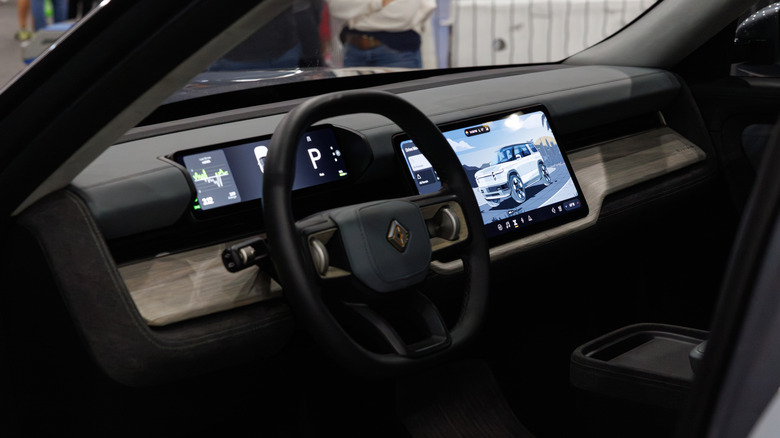
One of the main benefits of EVs over their gas-powered counterparts is the sheer quietness of the driving experience. There's a level of silence, of calm, when out on a road trip that attracts many buyers. Unfortunately, lots of Rivian R1 drivers have reported that when they're using the AC in hot weather, things just gets noisy.
According to affected drivers, this usually happens when the cabin is over 90 degrees Fahrenheit and the AC is set to Auto mode, but it is not limited to that scenario. Regardless of when it occurs, people who experience the problem report a deep hum or vibration throughout the cabin.
On Rivian's forums, some users report that replacing the compressor and other components has resolved the issue for them. Others have noticed an improvement after updating the car's software. However, it remains an issue for some drivers, though customer service has said that the noise is "within design spec." Ouch.
Digital car keys are not working as expected
Finally, another common issue that Rivian R1 users complain about involves the digital car key feature for iPhones and Android devices. Some owners report that it will not pair reliably for them, while others say that it gets disconnected unexpectedly. Worse than that, there are reports that proximity locking and unlocking doesn't consistently work as expected.
Interestingly enough, while software updates seemingly haven't been able to fix these issues in Rivian's own app, the company has announced that another key Apple and Android feature is being added. Rivian will support full native digital car key functionality in Apple Wallet, Google Wallet, and Samsung Wallet, meaning your phone will be able to leverage features like UWB and NFC for unlocking the vehicle. Another future software update will let your Apple Watch control your Rivian EV, which will bring the ability to unlock Gen 1 vehicles from your wrist, in addition to adding four quick actions, like opening and closing the windows or preheating the cabin.