

Robots Can Now Find And Repair Even The Biggest Potholes
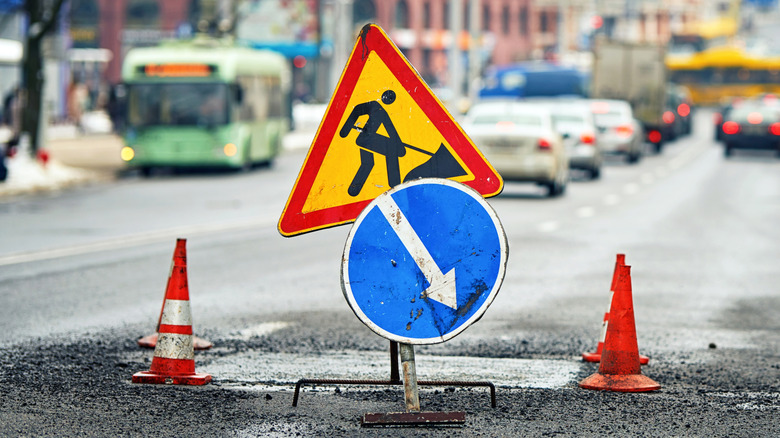
If you drive to work every day, odds are there's a pothole along your commute that's been irking you for months or even years. If road workers can't get around to fixing it, maybe robots will. Robotiz3d is a U.K.-based company that is already using autonomous robots to perform maintenance on actual roadways.
Robotiz3d offers three AI-powered solutions in its ARRES "Robot-as-a-Service" lineup. ARRES Eye detects potholes, ARRES Prevent finds and seals cracks before they become potholes, and the still-in-development ARRES Ultra promises to detect, prevent, and repair potholes in one comprehensive package. In 2024, Robotiz3d deployed the ARRES robots for real-world testing on the roads of Hertfordshire, England, in collaboration with the University of Liverpool and the local County Council.
The United States has yet to initiate any large-scale efforts to deploy test autonomous pothole-repair robots, but certain local jurisdictions have tested the waters. Memphis, Tennessee, collects video footage from cameras mounted on city trucks and uses an AI model to process the video and detect potholes. This AI-powered initiative formally launched in 2025, but by that time, the city had already used the tech to find and repair 1,700 potholes since 2022. Research on the subject of automated pothole detection is also ongoing at Cornell University and other institutions around the globe, which may help to push the technology toward widespread adoption.
How autonomous robots can perform road maintenance
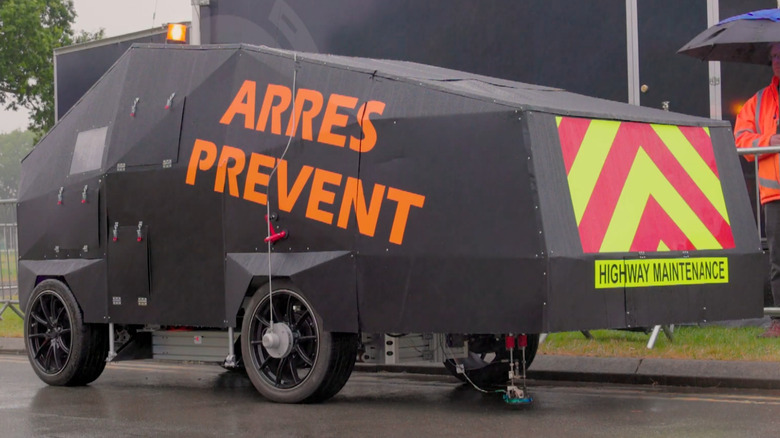
Detecting potholes is the easy part; modern machine learning models make light work of recognizing potholes in video footage gathered from cameras mounted on public transportation and government work vehicles. What's truly impressive is how Robotiz3d uses imaging technology in their robots to recognize the shape and depth of road surface cracks and fill them in accordingly.
Robotiz3d asserts that its ARRES Prevent robot can patrol roads driverlessly. Considering that there are still safety concerns surrounding self-driving cars, the engineers at Robotiz3d might have their work cut out for them in addressing risk factors before widespread deployment. However, the company also claims that the ARRES robots can work under any lighting conditions, so it's easy to imagine these robots doing their jobs at night when there are fewer drivers on the road.
There are many proven use cases of AI speeding up work immensely; the car company Stellantis uses robots in warehouses to take inventory 187 times faster than human staff. AI-powered robotics truly shine in situations where crews of humans cannot possibly keep up with the demands of their work. Potholes are a never-ending problem, which is precisely why the development of an autonomous road maintenance robot is the ideal solution.