

It Takes Years To Refuel An Aircraft Carrier - Here's Why
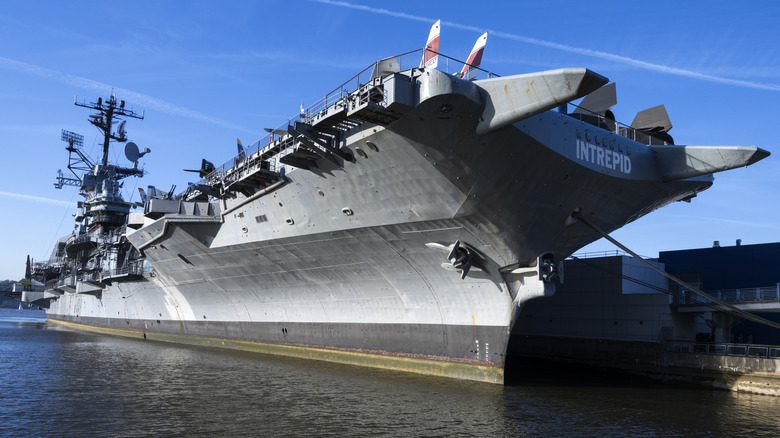
Aircraft carriers in the Gerald R. Ford-class can range up to 1,106 feet long and need to be capable of staying at sea for long periods of time. As such, you might expect them to have massive fuel tanks that can be refilled every few months, ensuring they never run into a fuel shortage at sea. However, that's not the case. Instead, nuclear energy powers modern American aircraft carriers and they're designed to be in use for at least 50 years.
However, the nuclear fuel system doesn't last that full five decades. Instead, the U.S. Navy tends to refuel them every 25 years or so, but the term "refueling" is a bit of a misnomer here. Because instead of just replacing the nuclear components needed to fuel the ship, the Navy usually takes the opportunity to update the aircraft carrier and bring its core systems up to date.
It's probably easier to think of the process as a complete rebuilding of the ship's major systems. The process is called an RCOH, or Refueling and Complex Overhaul, because of how in-depth it is, and the process can take up to six years to complete.
Why aircraft carriers take so long to refuel
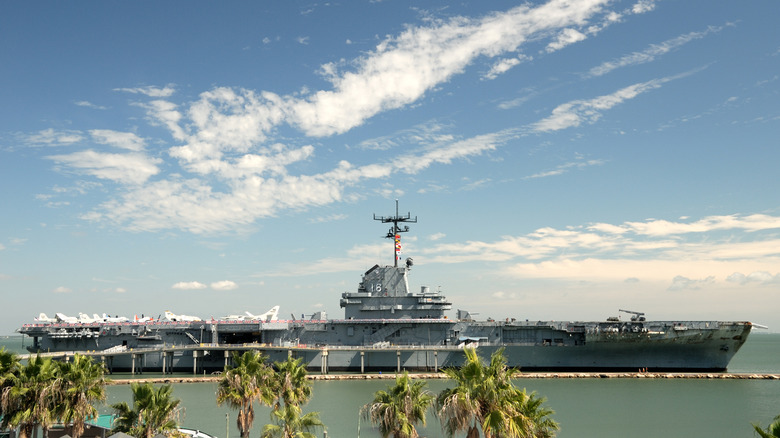
One reason modern aircraft carriers take so long to refuel is because the two nuclear reactors are used to power everything onboard the ship. They can run for more than 20 years without needing replacement, which is what allows the carrier to remain at sea for extended periods. But before refueling can start, the ship has to be taken to dry dock, and the only location in the U.S. currently equipped to handle that is Newport News Shipbuilding in Virginia.
Once in dry dock, the ship's reactors must be completely cooled down and shut off. This process can take multiple days to complete safely. From there, the ship is inspected top to bottom to ensure there aren't any other issues that need to be addressed. Finally, large cranes and specially-designed tools are used to take the reactor apart and remove spent fuel.
Because this is the only time the reactors are offline for the carrier's lifespan, it's the Navy's single opportunity to bring major systems up to date and ensure it can run smoothly for the next 20+ years. This means anything outdated is replaced, like software and radar arrays, along with a myriad of other electronics and systems used to manage the ship. In some cases, the Navy is using 3D printed parts on its aircraft carriers to complete this work.
Refueling an aircraft carrier costs billions
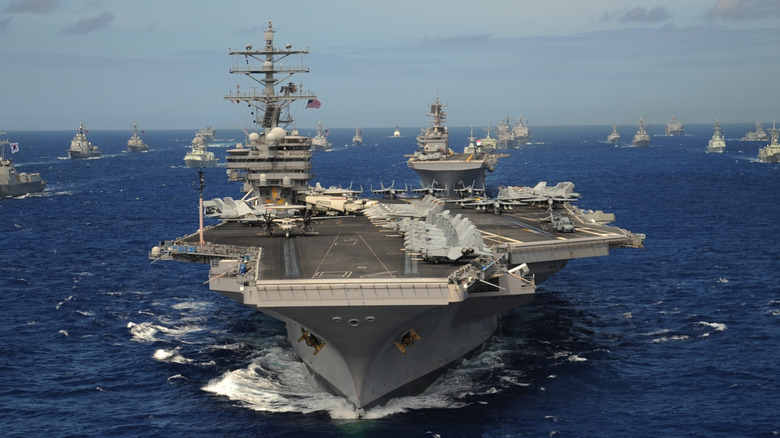
The RCOH's are an immense time and cost investment. The USS George Washington's RCOH is estimated to have taken 26 million man-hours of work, and was under a $2.8 billion contract to bring the ship up to date when it started the process in 2017. While this is a tremendous level of resources, these ships are estimated to cost $13 billion to build. So, the nearly $3 billion dollar update seems a relatively reasonable sum to keep the ship running for another two-plus decades.
Because the Refueling and Complex Overhaul takes so long, the U.S. Navy will rotate ships in and out of service as needed to ensure it always has enough available for operations. And since there is just the single shipyard, and it can only handle up to two aircraft carriers at the same time, it's easy to see why the process can be so lengthy. That said, the Navy is aiming to extend the service lives of its Nimitz-class carriers, while also working on a new type of nuclear supercarrier.