

How Long Do Amazon Fire TV Sticks Typically Last?
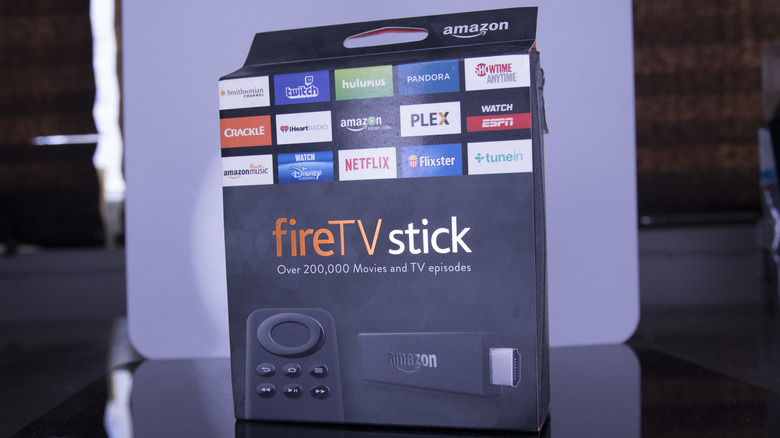
Your Amazon Fire TV Stick has a variable lifespan. Some Fire TV Sticks last five years, while others could last up to ten years. The longevity depends on the software and hardware. Old Amazon Fire TV Sticks have weaker processors and sometimes unsupported software. But how old is too old?
When your streaming stick is nearing the end of its lifespan, the installed software stops working, or you experience technical hiccups such as freezing, application crashing, or update errors. Plus, there's a chance your Fire TV Stick's firmware could stop receiving updates, as Amazon normally guarantees at least four years of software security support.
Amazon Fire TV Sticks are a bit niche, but upgrading one is much cheaper than buying a new Fire TV if your TV OS has aged poorly. However, knowing when your streaming device is ready to kick the bucket can help with budgeting. Even if you pick up the latest Fire TV Stick, you're still spending well under $80. Keep in mind that even if you're gaining some savings compared to buying a new Fire TV, you'll still want to know how long they last and if it's worth shelling out extra for the newest model.
Your Amazon Fire TV Stick is decently sturdy
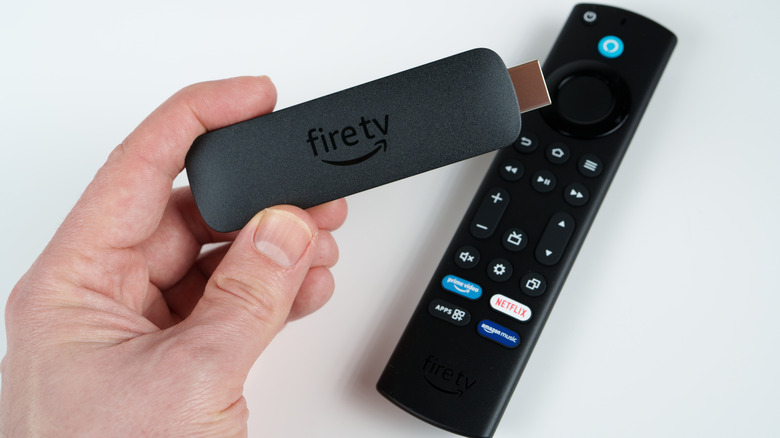
Your Amazon Fire TV Stick plugs directly into your TV's micro-USB port. But lots of unplugging and re-plug it back in causes the device to wear and tear. However, these streaming devices are built for durability, so as long as you aren't trying to submerge your Fire TV Stick in liquid or stomp on it with your foot, the device should be fine for a while, at least long after Amazon ceases to update its OS.
Besides the physical condition, another factor that can affect your Fire TV Stick is overheating. According to Amazon, the Fire TV Stick 4K is made from 22% recycled materials, composing 28% post-consumer recycled plastic and 80% recycled aluminum. These materials are suitable for handling natural heat and moderately warm environments.
Even though these devices don't have cooling fans, Amazon's Fire TV Sticks have a built-in heat sensor that issues an on-screen warning if it gets too warm. But that's only if the temperatures spike too high while in use. Your Fire TV Stick won't suddenly melt if it gets too hot, but the internal components may eventually get damaged if it gets exposed to continuous heating in a poorly-ventilated area (plastics can degrade over time even if they're heat resistant). Amazon also lists the operating temperature range as 32 to 95 degrees Fahrenheit, so if your Fire TV Stick exceeds or falls below that range, it could be damaged, making it age faster than it should.
Amazon's supported OS on a Fire TV Stick determines it all
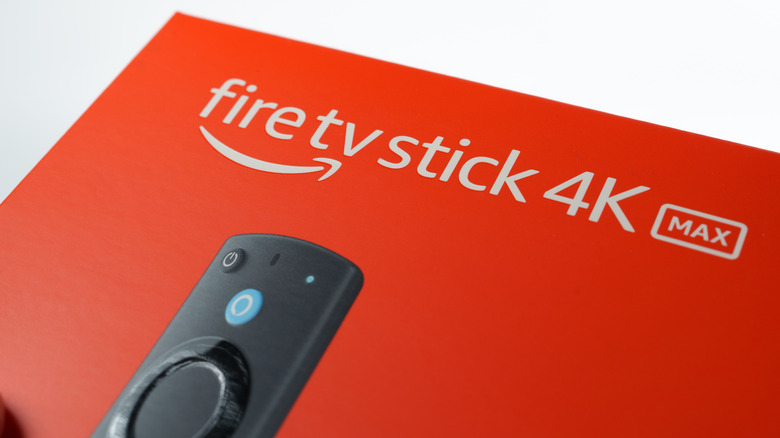
Amazon's OS can sometimes feel a bit dated, though that's changing with Amazon's Fire OS redesign and Vega OS coming in the future. If you're already a lucky owner of the Fire TV Stick 4K Plus and the Fire TV Stick 4K Max (2nd-gen), you get a first-hand preview of Amazon's Fire OS redesign. The redesign is cleaner, but more importantly, it should also feel much faster than the old one.
But as a general rule of thumb, how the Fire TV Stick's software performs with your installed apps is likely the main deciding factor in whether it's time to deem it too old and get an upgrade. Sluggish apps that freeze or take a while to load might mean your Fire TV Stick is nearing end of life. Plus, if the OS is too old, app developers may stop supporting older OSes (becoming incompatible), meaning you may no longer find or receive updates for those apps in the app store.
That could then force you to sideload to find apps, but doing so could also expose you to buggier apps with security flaws. It becomes a messy ordeal, and isn't always worth the hassle, especially if you're not used to it. At that point, you're almost better off trading your old Fire TV Stick in to gain up to 20% off eligible upgrades with Amazon's Trade-In program.