

Why There's Simply No Need For USB Flash Drives Anymore
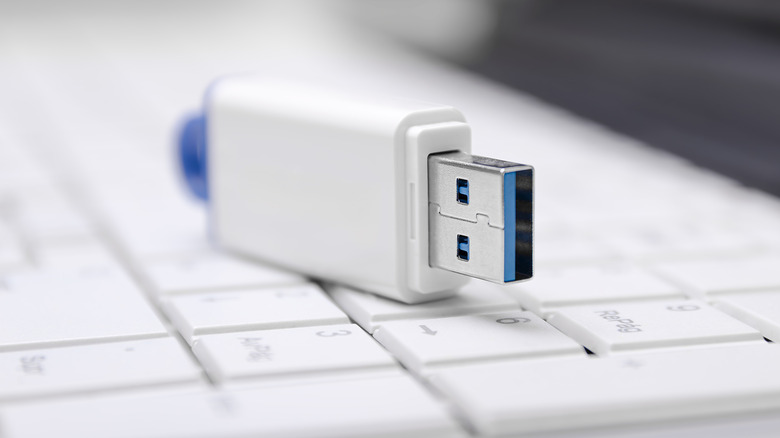
USB flash drives were once the easiest way to transfer files between computers and other devices. Almost everyone had a flash drive, whether for storing data, moving files, or as a simple backup solution. But over the past few years, they have lost much of their relevance, with better alternatives becoming mainstream. People now heavily rely on cloud backups to store and sync files. This ensures instant access across devices. Even for local backups, portable SSDs have become the way to go.
However, flash drives didn't lose relevance overnight. They had issues that were never really addressed, primarily with storage, speed, and compatibility. Commonly used flash drives still fall in the 64 to 128GB range, which fills up quickly for most. For flash drives that can store additional data, say 1 to 2TB, transfer speed is a major constraint. Additionally, over the past decade, many PC manufacturers have minimized reliance on traditional USB-A ports and moved to USB-C ports, creating compatibility issues with USB-A flash drives. So, even if you have a USB flash drive, it wouldn't be as useful as it was a couple of years ago.
USB flash drive alternatives make more sense today
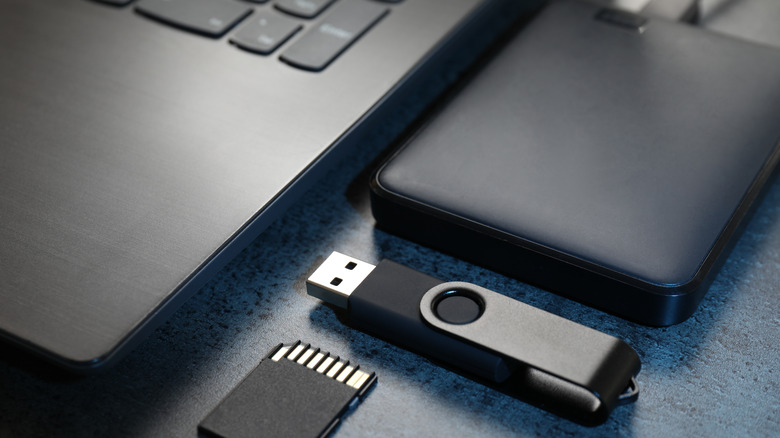
The biggest reason USB flash drives aren't as popular today is that they don't naturally fit into modern workflows. As phones and other gadgets grow smarter, and fast Internet speeds become more common, people need seamless, instant access to data across devices, which is a major limitation with flash drives. That's where cloud storage solutions come into the picture. They are much more reliable and eliminate the need for manual data transfer. Besides, most offer data encryption, another aspect where USB flash drives lag behind. The data stored on physical drives is never truly secure, and anyone with access to it can easily view your personal files. As a result, many favor cloud storage solutions over flash drives.
There are some who still prioritize local storage, but even for them, USB flash drives offer very few benefits. Modern SSDs and HDDs have faster transfer speeds and can store more data, albeit at a higher price. And for users who want cost-effective options, SD cards seem like a more practical choice in certain cases. These often cost less than flash drives and are more versatile, finding application in more devices, like smartphones, cameras, and drones. Another advantage is that SD cards don't block ports on your PC. Instead, they sit in dedicated SD card slots, freeing up ports that can be used for other peripherals.
When a USB flash drive is still useful
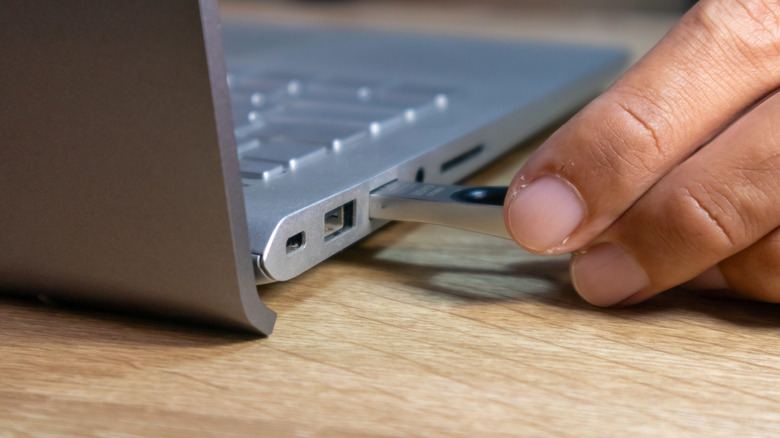
Despite all the recent changes, USB flash drives are not completely obsolete. There are cases where they feel like a more sensible choice over available alternatives. The most common examples include creating installation media for operating systems and performing firmware updates. Even today, many create bootable flash drives to install Windows or Linux.
Then, there are specific setups where flash drives remain useful. With USB 3.0, the transfer speeds are significantly better. So, for those with an unreliable internet connection, moving files between PCs using a flash drive is a more feasible choice. Flash drives can also help when sharing data with someone who doesn't use the same cloud storage service.
So, while USB flash drives are not entirely out of the picture yet, their relevance is on the decline, with people opting for alternatives that better suit their workflow. But it's clear that they are no longer as important as they once were.