

4 Pros And Cons Of Buying A Used Android Tablet
We may receive a commission on purchases made from links.
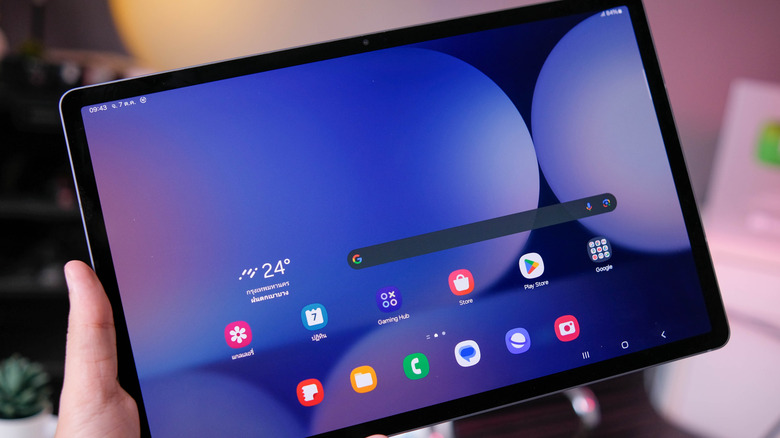
Technology has come a long way over the years. From some of the best smartphones to top-of-the-line computers, being able to purchase good technology has become easier than ever with the ongoing growth of the internet and online stores. But as newer tech becomes available, the prices keep going up, too. And with the AI boom and the chip shortages we've been seeing lately, those prices are likely only going to keep skyrocketing. That's why being able to buy used tech is such a lifesaver for some. But is buying used tech like Android tablets actually worth it?
It's easy to buy into the idea that you should only buy tech that's brand new. After all, there are plenty of things to think about, like warranties, software updates, and more. But sometimes, going with a gadget that was already used by someone else can be a great way to save some money while getting your hands on some of the highest-end hardware on the market right now. So before you settle on buying new or used, let's take a look at the pros and cons of buying a used Android tablet, so you can make an educated decision.
Pro: Access to flagship hardware at budget pricing
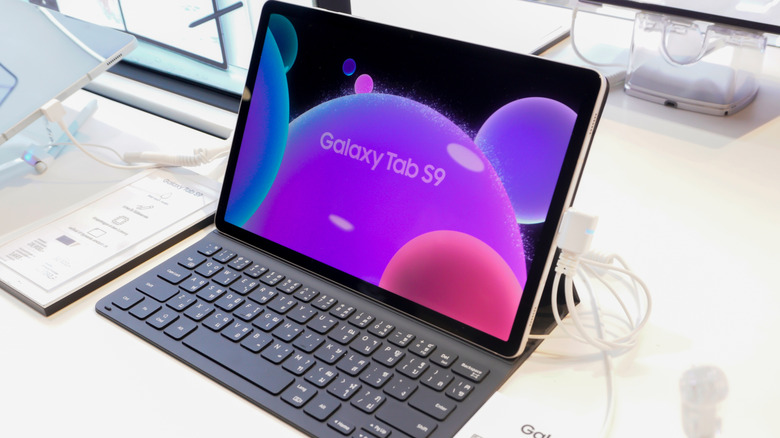
Perhaps the most obvious benefit to buying an Android tablet used is that you can oftentimes get the higher-end hardware for a much more affordable price. Many of your high-end Android tablets can run close to $1,000. For instance, the Samsung Galaxy Tab S10 Plus, which is considered one of the best premium Android tablets available right now, can run anywhere from $1,000 to $1,120, depending on which storage model you pick up. However, if you buy that same exact tablet used, you can oftentimes find it renewed (refurbished) on Amazon for under $600.
That brings the price of a premium tablet more in-line with some of the best budget-friendly Android tablets that work as great alternatives to the iPad. Of course, you don't want to just blindly purchase a used Android tablet without verifying a few things first. In fact, it's not a bad idea to follow the same steps you should take before buying a used Android phone. Not only will doing this help save you from headaches in the future — like hardware issues or unexpected wear and tear — but it will also ensure you actually get your money's worth.
Con: Fewer years of software support
While you might save money from buying a used Android tablet, depending on what kind of tablet you purchase, you could end up needing to replace the tablet sooner than you really want to. That's because tablets are only guaranteed a certain number of years of software support. Once those years run out, the manufacturer moves on to supporting newer tablets only, which could leave you in the dark when it comes to new features and security updates.
This is why it's important to verify that the tablet you're planning to purchase still has a good few years of support behind it. You can usually do this by checking with the manufacturer. For example, the Galaxy Tab S10 Plus that we mentioned earlier is slated to receive at least seven years of software updates from Samsung. That means even if you buy the device used in 2026, you'll still get a good few years of support before the device no longer gets updates.
This might not sound like a big deal, but it can be the difference between having to buy a new tablet in two or three years versus four or five. Considering how much some premium Android tablets can cost, ensuring that your device lasts as long as possible (even when buying at a refurbished price) is vital to get the most bang for your buck.
Pro: Potential warranties and return options (if buying refurbished)
Another big pro to buying used is being able to take advantage of great return options and extended warranties. Many companies — Amazon included — offer specific warranties on refurbished devices. Sometimes, these warranties might even be better than the ones the manufacturer offers. Of course, just how good this warranty is will vary based on the retailer, so you should always compare the pricing and benefits when looking to purchase a refurbished Android tablet.
The downside here, though, is that some of these warranties will cost a bit extra on the side, like Best Buy's extra protection. However, when paired with the more limited warranty that the company already offers on refurbished devices, it could very well be worth the extra investment. Additionally, you could just put the tech through the wringer during the early days of the warranty, something that commenters on Reddit often recommend, as some believe renewed devices will fail early if there are more extensive hardware issues with them.
Con: Hardware and carrier issues
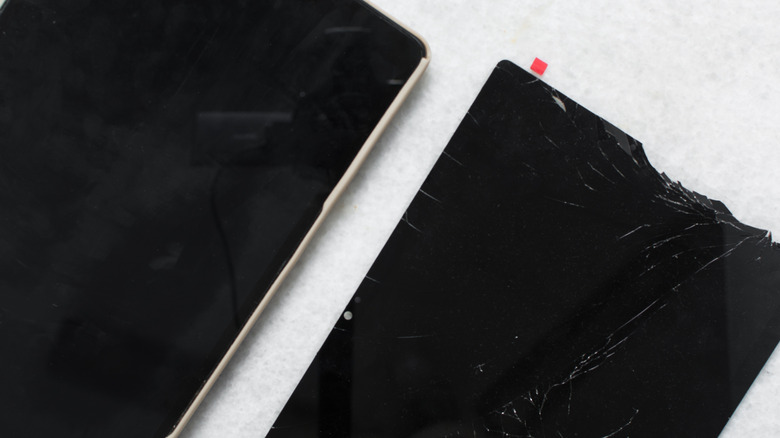
Finally, one of the biggest cons to keep an eye out for would be hardware issues — and even potentially blacklisted devices. If you're planning to buy a refurbished tablet that can connect to a wireless network, for example, then you'll want to steer clear of devices that have been blacklisted from carriers due to failure to pay or other issues. You can usually check with the carrier you plan to use if the IMEI number on the device is blacklisted; if it is, don't go through with the purchase. You'll also want to make sure the device is unlocked if you plan to use it on a service other than where it was originally purchased.
Additionally, because you're buying used — if you aren't going with a refurbished device, at least — then you may need to worry about hardware issues due to overuse or bad charging habits. These can range from simple things like the tablet's chip not running as smoothly because it has been overworked in the past to wear and tear like nicks and scratches. Additionally, buying used but not renewed can mean you're giving up some of the tablet's base battery life, which could result in the battery on the device needing to be replaced sooner rather than later. And, depending on the type of tablet you purchase, those costs can range drastically upwards, as high as a few hundred dollars.