

5 Of The Worst Electric Vehicles To Buy Used, According To Consumer Reports
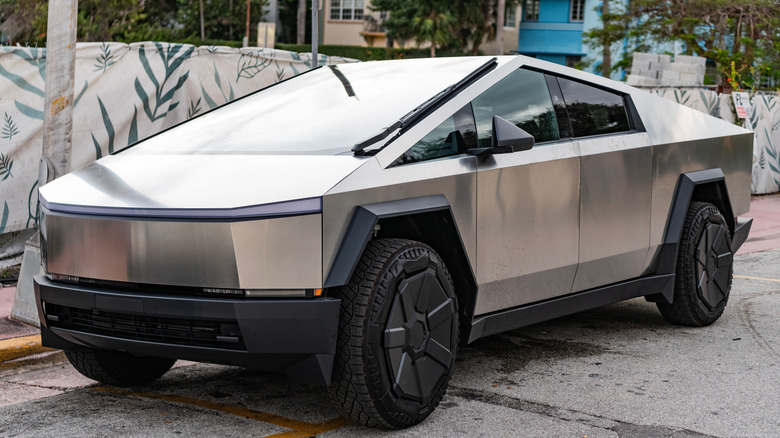
If you're interested in buying a used EV, it's important to know which are the worst electric vehicles to avoid. Luckily, Consumer Reports has some information that could save you thousands of dollars. That's because the used EV market looks attractive to many future new owners, since the idea behind paying less for a car that has reduced fuel costs sounds great — but many of these models come with risks that can turn what seems like a good deal into a nightmare.
Unlike traditional used cars, a used EV might carry problems with battery health, among other things. EV batteries, just like any other, tend to degrade over time and with each charge cycle, and replacing them with new ones can have a larger cost, depending on the model and what your EV warranty really covers. On top of that, older models of EVs can also lose access to new software updates, leaving them without some features or even with unpatched vulnerabilities, making a car that looks amazing at first glance quickly turn into a costly long-term regret.
While some electric vehicles can be a good deal when bought from a previous owner, not every model ages in the same way, creating a wider gap between the best and worst models that you can encounter in the used market. Some of the most problematic models also come from brands with strong reputations, meaning that a recognizable logo is no guarantee of long-term reliability. So it's better to avoid some of these EVs, according to Consumer Reports.
Tesla Cybertruck
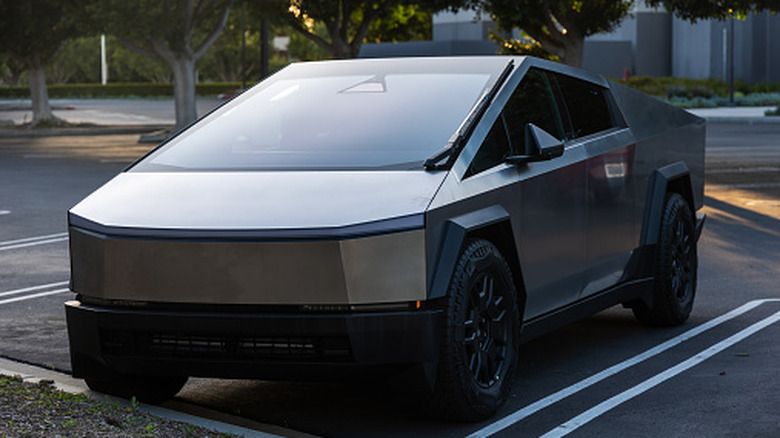
Despite having one of the most unique designs in the category that looks like something ripped straight out of a video game, the Tesla Cybertruck isn't one of the best EVs that you'll find in the used market. Maintenance, for example, is something to consider when buying one, since the repair costs can be a little pricey when not every mechanic knows how to handle this vehicle made by Tesla.
Consumer Reports mentions some problems that this car has faced in its short lifespan, such as 10 recalls, including one for an issue where the accelerator pedal might jam while the car is in motion. Also, depending on how the previous owner handled it, the chance of you finding problems with the battery and other defects is higher and something that a quick test-drive may not fully reveal.
Depreciation is another thing that hits the Cybertruck hard, since this car has seen sharp price drops over the last year, with many units taking considerable time to be sold. So if you're thinking of purchasing one at a low price and expecting that this value continues the same trajectory when reselling it later, it's worth rethinking the math. In any case, before committing to a Tesla Cybertruck, it is important to check the service records and do a deeper inspection, and the same approach applies to other EVs that you should avoid.
BMW iX (2023 model year)
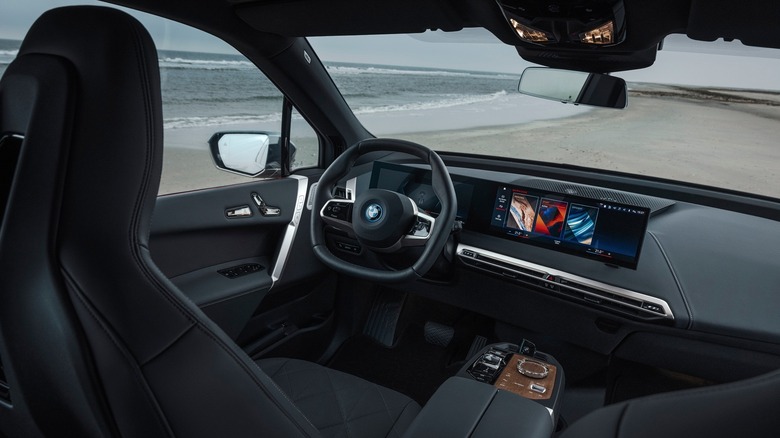
The 2023 BMW iX can look tempting on the used market, especially for someone who wants a luxury SUV that is quiet and quick. But Consumer Reports flags several reliability issues with this model year in particular, as well as a double-digit number of recalls. Some of these are serious, such as one involving the battery that can trigger shutdowns or become a fire hazard, and others covering sudden braking and cruise control engaging on its own without the driver doing anything.
Beyond the recalls, there are other glitches that tend to show up in daily use rather than on a test drive, such as warning lights, loss of drive power while moving, and various software issues. Since this is a premium EV, repair costs once the warranty expires can get expensive fast. The problems aren't always visible up front, which makes buying one used a bigger gamble than it may seem.
The 2023 model is also an early version that BMW improved in later releases, so it can feel outdated when it comes to the functionality that was added only in subsequent versions of the iX, like the most advanced driver-assistance features. Add in the usual EV depreciation price curve, and it becomes hard to predict what a used iX will actually be worth when you decide that it's time to move on, making this used EV difficult to recommend.
Hyundai Ioniq 5 (2023 model year)
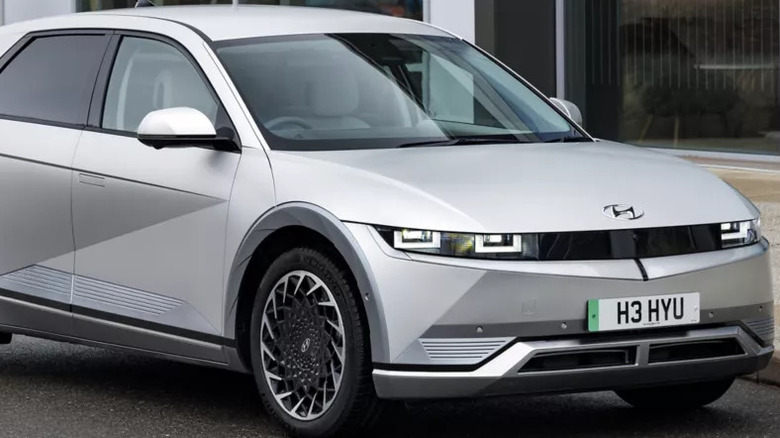
If you're shopping for a used EV that looks modern and checks every box on a spec sheet, the 2023 Hyundai Ioniq 5 will probably show up on your radar. The trouble is that owner experience hasn't always matched the promise, and Consumer Reports places this model among the worst for reliability and owner satisfaction, which is something to worry about when buying one on the used market.
For example, one of the biggest headaches most buyers have is about the 12V system and charging hardware. Owners report batteries draining or dying unexpectedly, which is serious enough that this model has seen recalls tied to the issue. A failure like that means that it can leave you stranded in unconventional places, and a sudden loss of power is one thing that you don't want to have on the road since it can cause car crashes.
Even if the car you're looking at seems fine on a quick test drive, smaller problems can still pile up later. Some drivers describe slow or interrupted charging sessions, especially when it's cold (since EV batteries drain faster in the winter). Others note software glitches, freezes, warning lights, and navigation failures. On the used market, that can translate to ongoing troubleshooting and an EV that doesn't feel as solid long-term as it looked at first glance.
Genesis GV60 (2025 model year)
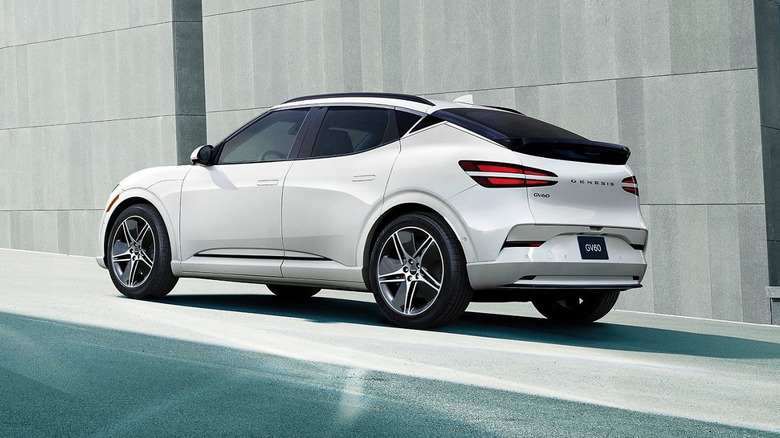
Despite coming with a premium price and a great design, the 2025 Genesis GV60 has issues where it matters most. Consumer Reports puts it near the bottom of its list for reliability and owner satisfaction, which is a rough combination for a car in this price range. It's something that should give anyone interested in buying one on the used market a motive to think twice, since there's a gap between what you're paying and what you're actually getting — a gap that doesn't exist with cheap electric vehicles that are actually worth buying.
The recalls don't help either. One involves exterior windshield trim that can come loose at speed and detach, creating a hazard for other drivers on the road and potentially causing a crash. Another covers the ICCU, a charging control component that can fail and cut power to the 12V battery without warning. For a car at this price, that's already a concerning list to inherit from a previous owner.
However, things can become worse when owners try to get these things fixed, since many of them complain that the service experience hasn't been great either. Getting things resolved quickly isn't something you should count on, since longer-than-promised turnaround times and weak follow-up from dealerships are common complaints among owners. Unless the car is still covered by a strong warranty, that makes the GV60 a risky buy regardless of the price.
Chevrolet Blazer EV (2024 model year)
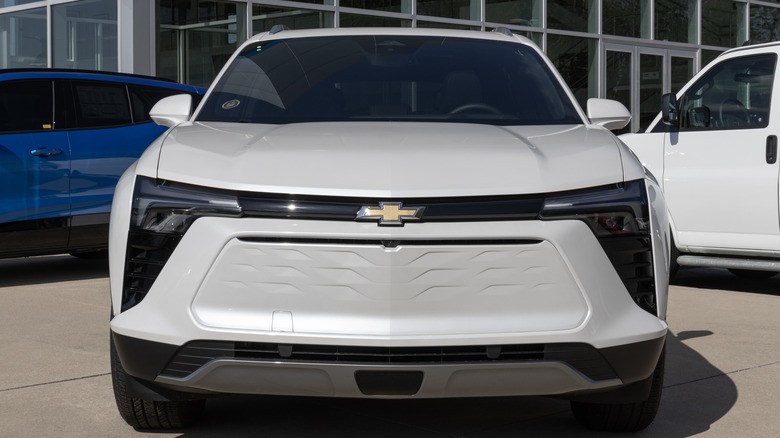
The 2024 Chevrolet Blazer EV has already accumulated five recalls, and that single detail says a lot about what used-model buyers might be walking into. This model year has sporty styling and a competitive price, which makes it easy to notice on the used market — but its reliability sits well below average, according to Consumer Reports. Among those five recalls is one for a parking brake that can activate unexpectedly while driving.
Owner complaints cover a wide range of issues. The center display can lag, flicker, or go completely unusable, taking navigation, phone connectivity, and the backup camera with it. The 12V battery can drain without warning and has left cars stranded. The charging system has also been reported to throw errors with only a few thousand miles on the odometer, and these are the kinds of inherited problems that a new buyer has no way of knowing about until they start showing up.
What makes the Blazer EV an especially risky used buy is the service experience behind it. Some owners describe dealership visits that dragged on for weeks, with mechanics still struggling to diagnose the issues after all that time. Without a warranty to cover repairs, any one of those problems becomes a financial burden that lands entirely on you — and that's a hard sell, no matter how good the Blazer looks from the outside.