

Don't Wait To Buy A New Laptop — Here's Why

If you have been planning to buy a new laptop but keep deferring the upgrade, it's time you reconsider. The PC market isn't as stable as it was a few years ago, and if reports are to be believed, it is about to get worse, with all major manufacturers jacking up prices. So what feels affordable today may not stay that way for too long.
There's a simple reason for this price rise: the AI boom. It has triggered a surge in demand across major PC-related components, including RAM, GPUs, SSDs, and even HDDs. All these components are critical to AI firms, with many placing orders years in advance. Storage drives are costlier than they used to be, especially SSDs. RAM prices are up by almost 80% to 90% (according to Counterpoint), and GPUs are only getting more expensive.
If you have an old laptop that faces overheating issues or struggles with speed and modern-day tasks, waiting a couple of months may not be the smartest choice. Prices are not expected to stabilize before 2028, and that's an optimistic estimate. In that period, upgrades and even repairs will become more costly.
Laptop manufacturers are raising prices
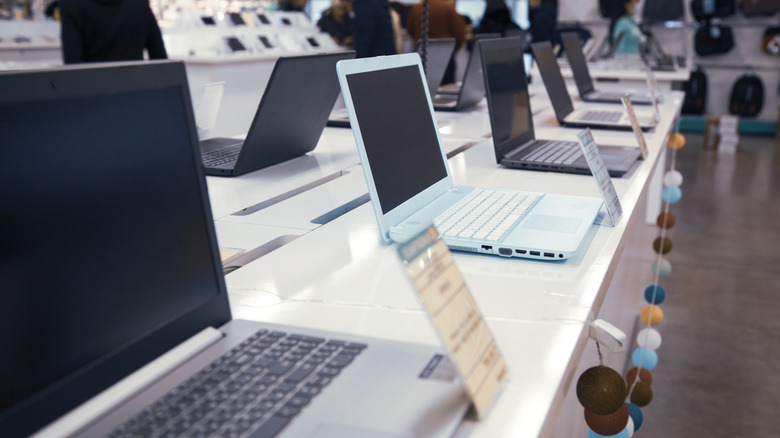
RAM is said to be the biggest driver behind the hike this time around. Companies like Microsoft are buying high-bandwidth RAM in huge quantities. Similarly, Western Digital is sold out of storage drives for 2026. And as expected, manufacturers are prioritizing these high-volume clients over retail customers.
It's not just laptops, either. Many other devices that rely on RAM could see higher pricing in the coming days, including smartphones, gaming consoles, and cars. For some product categories, the hike may not feel as significant given the higher current profit margins. However, for items like laptops where the profit margin is low, companies must pass on these increased prices to customers.
HP's 2026 Q1 earnings call revealed that price increases were part of a strategy to mitigate the company's memory and storage expenses, which had doubled since the previous fiscal quarter (transcript via Yahoo Finance). A report by Business Insider found that Dell has already hiked prices by $130 to $230 on its Pro and Pro Max PCs, which ship with 32GB RAM. With that said, it's best to get ahead of the curve by upgrading your laptop sooner rather than later.
Pick hardware specs that will last years
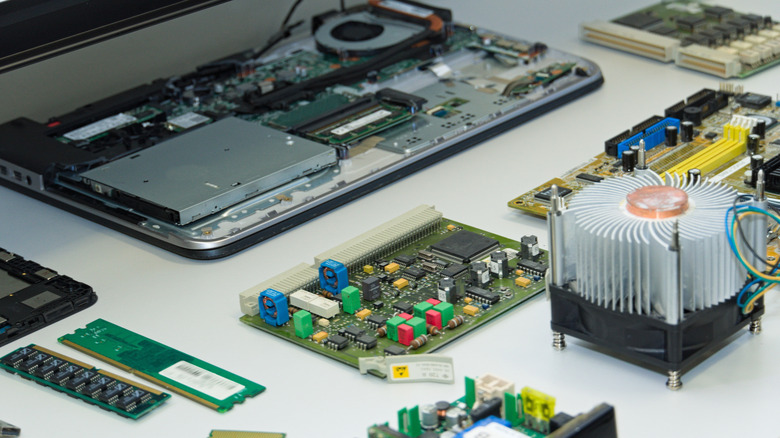
If you are buying a laptop right now, it should be future-proof — designed to last comfortably for several years. For that, you will need higher RAM. If you plan to get 16GB, select a model that features 32GB of memory, or even 64GB, if possible. RAM prices are increasing, and instead of upgrading later at a higher cost, you can simply get more RAM now.
More importantly, upgrading memory isn't as easy as it used to be. In many laptop models, RAM is now soldered to the motherboard to save space and boost performance, which impacts upgradability and repairability. So you might not be able to upgrade your laptop with more RAM later on. The same applies to GPUs and CPUs, since their prices are increasing as well.
Try to gauge what your requirements might be over the next five years and plan your next laptop accordingly. Storage is the only component where you have some leeway, since you can always opt for external storage drives or use cloud backup later on. But make sure it's not so low that the system starts to struggle within a few years. The idea is to find the best possible hardware specifications, even if it entails slightly extending your budget.