

Governments Can Now Access NATO Classified Files From iPads (And It's A Big Deal)
While the U.S. government is trying to work with AI companies so they can handle the Pentagon's classified information, the North Atlantic Treaty Organization (NATO) approved the iPhone and iPad to handle some of its secret data. In a press release shared by Apple, the company says these everyday consumer tech devices are the first to be sanctioned to be used with classified information, as long as they're under NATO's controlled environments, which means they need to follow some security settings on iPhone and iPad devices.
Germany's Federal Office for Information Security (BSI) approved Apple's iPhone and iPad devices as long as they're running Apple's new era of mobile software like iOS 26 and iPadOS 26. What's more interesting about this announcement is that no extra layer of security (like special software or additional hardware) is required on top of iOS, so NATO members can access that data. It's important to note that this doesn't mean someone's personal iPhone or iPad will have access to the data.
iPhone and iPad running iOS 26 can access documents up to NATO Restricted, which is the lowest of the four levels of classified information by the organization. In other words, this means that unauthorized access could be disadvantageous to the interests of NATO, but wouldn't be considered highly damaging if leaked. These documents usually reveal operational planning details, internal reports, certain logistics data, security procedures, and some communication between member states.
NATO praises Apple features available on iPhone and iOS
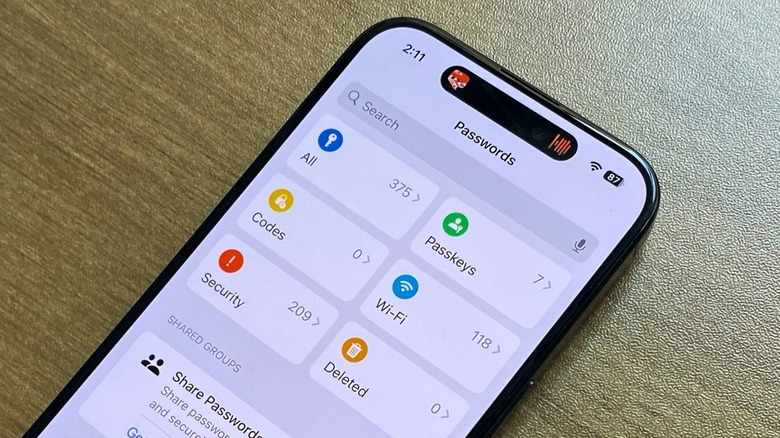
According to the press release, NATO found that Apple chips offer enough security and privacy, combined with iOS updates, that members of the organization can check restricted documents for the first time in a consumer electronics device. NATO references the importance of Secure Enclave, which is a part of iPhones and iPads that keeps all sensitive data encrypted, like biometric data and passwords.
The organization also praises Apple's authentication methods like Touch ID and Face ID, in addition to the Memory Integration Enforcement available with A19 and M5 devices, like the iPhone 17 lineup and the M5 iPad Pro, which delivers always-on memory safety, in addition to secure networking and VPN support. All of these features, according to NATO, make iOS and iPadOS devices approved by BSI to be used when security configuration requirements are met by members of the organization.
"Secure digital transformation is only successful if information security is considered from the beginning in the development of mobile products," said Claudia Plattner, BSI's president. "Expanding on BSI's rigorous audit of iOS and iPadOS platform and device security for use in classified German information environments, we are pleased to confirm the compliance under NATO nations' assurance requirements."