

Those Foam Microphone Covers Actually Serve An Important Audio Purpose
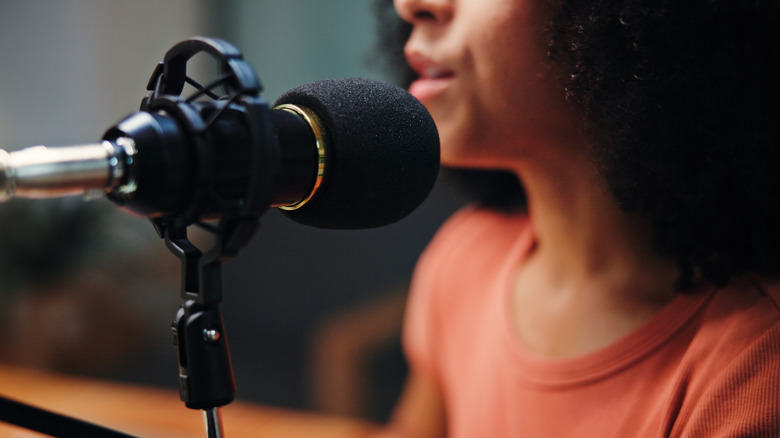
Recording with a microphone isn't always easy, as background noise, poor acoustics, and even improper distancing can affect the quality of your audio. One of the most common and frustrating challenges microphone users may face is wind interference, which can not only distort the quality of your audio, but also damage your mic. Fortunately, there's an easy fix.
Microphone covers, also known as windscreens, are foam or synthetic fur sheathes which cover the recording end of a mic, protecting the device from gusts of air. While these useful covers are particularly helpful when recording in outdoor spaces, where they can offer protection against bracing winds and light breezes, they're not strictly for outside use. Indoor currents, movement, or even speech can cause these gusts of air to impact your audio.
However, not everyone who uses a microphone will require a windscreen. Whether you need a cover for your microphone depends on your individual needs. Below, we break down how microphone covers work and who could benefit from using one.
What do microphone covers do?
Microphone covers protect your microphone's diaphragm from gusts of wind that can create pops in the audio signal. A microphone diaphragm is a bit like its ear drum; a thin, flexible membrane that vibrates in response to sound pressure and converts this acoustic energy into an electrical signal.
A burst of high-pressure turbulence, like a gust of air, can push the membrane to its physical limits, resulting in distortion and a low-frequency rumble in the audio output. Windscreens help avoid this distortion by dispersing the air blowing into the microphone, and therefore reducing the pressure, before it reaches the diaphragm, resulting in clearer audio.
However, these air gusts don't always come from air currents caused by wind, they can also be caused by "plosive sounds." In speech, plosives consonants — like the letters "B," "D," and "P" — are made by blocking the flow of air as it leaves a body, resulting in a sudden release of air after the sound is made; which, like wind, can directly hit the microphone diaphragm and result in a popping sound in the audio. This can also occur if someone is speaking too closely to a microphone. In addition to dispersing these gusts of air, microphone covers can help keep your microphone clean by acting as a barrier against dust, saliva, and moisture.
Types of microphone covers and their uses
There are several types of microphone covers and windscreens available, each designed for different environments and offering varying degrees of noise protection. Foam covers offer up to 8 decibels of wind reduction and divert incoming air gusts in different directions, preventing it from interacting directly with your microphone. These covers are generally affordable and lightweight, and are best for indoor use and recording speech. However, they're not always effective in strong winds and can dull high frequencies.
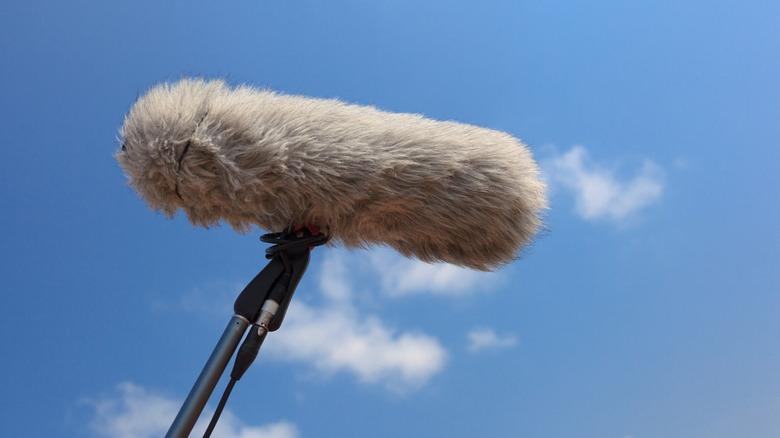
Synthetic fur windguards, also known as "deadcats," offer more effective noise protection against air gusts than foam covers, between 25-40 dB. They consist of two layers: a foam inner layer, and a fur outer layer. This furry outer layer is quieter at redirecting wind than the rigid foam windscreen, as the material is softer and therefore encounters less friction. This makes them great for recording outdoors, especially in strong winds, though they are bulkier than foam covers.
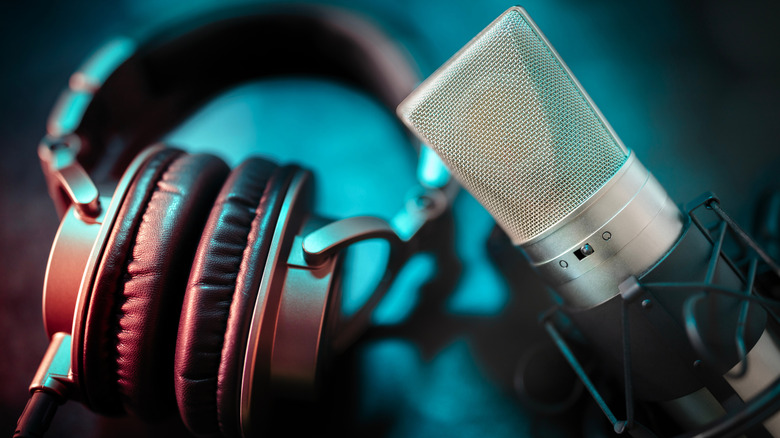
Pop filters are metal, fabric, or foam meshes placed in front of microphones. These are specifically designed to tackle plosives and protect your mic from salvia, making them ideal for recording vocals in home studio or professional studio settings.
Blimps (or baskets), on the other hand, offer the most noise protection (up to 50dB), and have two layers: a foam inner layer and a plastic or metal mesh outer layer. These covers suspend your microphone, creating a chamber of dead air that offers effective wind protection and shock absorption. These microphone covers are typically found on TV and film sets as they're suited to recording in high-wind environments, offering professional-quality recordings and maximum wind protection. That said, they are large and expensive.
Who needs to use a microphone cover?

Whether you need to use a microphone cover depends on several factors. The first is whether you're using your microphone in a professional capacity or a more casual one. Podcasters, journalists, filmmakers, and musicians are just some of those who can benefit from using a microphone cover regularly, as high quality audio is often essential in these situations. They can also be useful for professional public speaking, especially if you want to reduce plosives or have multiple people using the same microphone, as they can improve microphone hygiene.
You also need to consider what environments you're using your microphone in. If you're regularly recording outside, especially at loud events or in areas with minimal wind coverage, a microphone windscreen can be essential as it will reduce audio distortion. Likewise, if you're regularly using your microphone to record speech, a cover can protect your microphone from saliva while reducing plosives.
However, in these situations, a cover may not be essential if the speaker doesn't need to be situated close to the mic or you're using a headset, like a gaming headset with built-in mic protection.