

Apple Launches Two New Studio Display Models (And Discontinues The Pro)
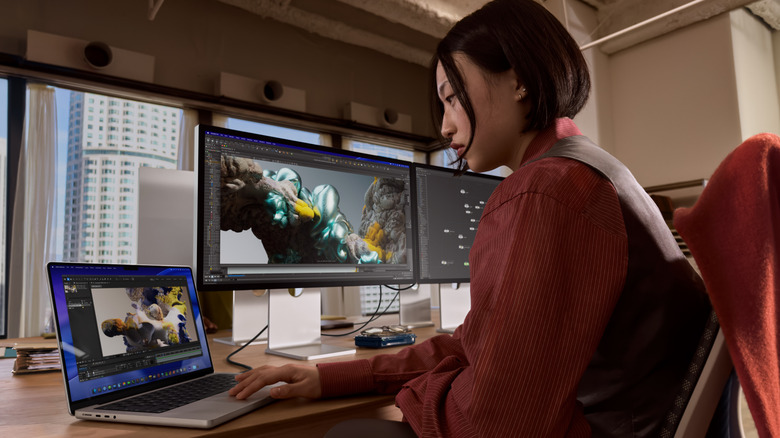
Rumors about Apple working on two different Studio Display models were true, as the company announced, alongside the new MacBook Air and MacBook Pro, the second-generation Studio Display and the new Studio Display XDR, which replaces the 2019 Pro Display XDR. These new monitors come with improved camera capabilities and even better sound, but Apple kept some bells and whistles exclusive to the new XDR model, which features a 120-hertz refresh rate, a feature that was missing from Apple's monitors until now.
With these releases, Apple now offers a more cohesive lineup of displays, as it continues to reshape its Mac division. Bloomberg had reported that the company was planning to give up on the Mac Pro. With its companion display being replaced by Studio Display, the next Mac Studio might officially take the place of the Mac Pro, which used to be Apple's top performing computer.
"Studio Display gets even better with a new 12MP Center Stage camera and powerful Thunderbolt 5 connectivity. And the Studio Display XDR is a huge leap forward for XDR technology, with a mini-LED backlight, 2,000 nits of peak HDR brightness, advanced color accuracy, and a 120Hz refresh rate, transforming workflows like filmmaking, design and print, and 3D animation. It's by far the world's best pro display," John Ternus, Apple's senior vice president of Hardware Engineering, wrote in the press release.
What's new in Apple's second-generation Studio Display
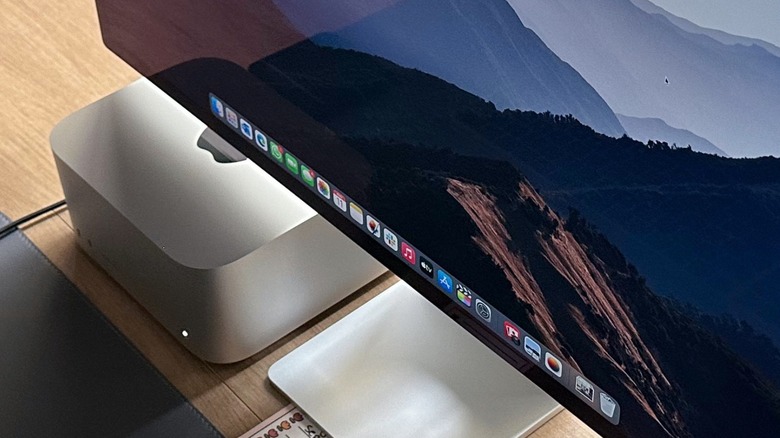
The basic 27-inch 5K Studio Display might not look like an enticing upgrade for those with the original Studio Display, which BGR reviewed. Apple didn't address the lack of HDR or variable refresh rate support on this new version. Still, with over 14 million pixels and 600 nits of brightness, this monitor will continue to be one of the best options for Mac users, even if it lacks these features.
The second-generation Studio Display comes with a 12MP Center Stage camera. It brings native Desk View support for the monitor, 30% deeper bass to a sound system that was already pretty solid, and two Thunderbolt 5 ports, which means users can connect up to four Studio Displays together.
Unlike with the previous generation, Apple doesn't mention the processor inside this monitor, even though rumors suggested it could be the A19. The company says, however, it offers 96W of charging power, which allows users to fast-charge a 14-inch MacBook Pro. With this model, Apple continues to offer a nano-texture option, a stand with adjustable tilt and height, and a VESA mount adapter depending on how you prefer to use this product. The new Studio Display costs the same $1,599 as its predecessor, and it can be pre-ordered this Wednesday, with an official release on March 11.
Studio Display XDR improves on the Pro Display XDR and gets more affordable
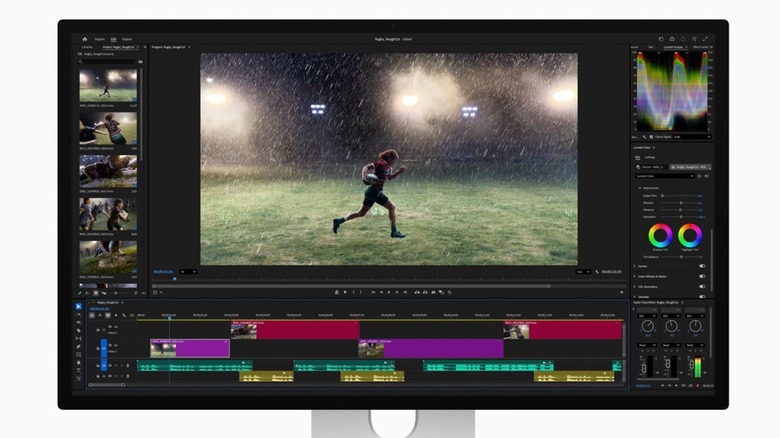
The feature-rich Studio Display XDR comes in a 27-inch form factor and offers up to 2,000 nits of peak HDR brightness, 120 Hz refresh rate, Adaptive Sync, and all the other perks of the Pro Display XDR, such as 1,000,000:1 contrast ratio and P3 and Adobe RGB wide color gamuts. Apple says it continues to use a mini-LED panel for this device, while the base Studio Display remains with an LCD version.
Adaptive Sync means users can experience variable refresh rates that range from 47Hz to 120Hz. Compared to the Pro Display XDR, Apple makes it more consumer-friendly, as it gets a 12MP Center Stage camera with Desk View support, the same three-microphone array and six-speaker sound system with Spatial Audio. With Thunderbolt 5 connectivity, Apple also adds a second port for high-speed accessories or daisy-chaining multiple displays. The company says it also offers up to 140W of charging power, which could fast-charge a 16-inch MacBook Pro.
While the Studio Display XDR design can be seen as a downgrade, since it doesn't look as interesting as the Pro Display XDR, Apple now offers this product for $3,299 — while its predecessor would start at $4,999. The company also offers nano-texture options and the same stands as the Studio Display. This monitor also launches next week.