

5 Devices You Should Never Use With Smart Plugs
We may receive a commission on purchases made from links.
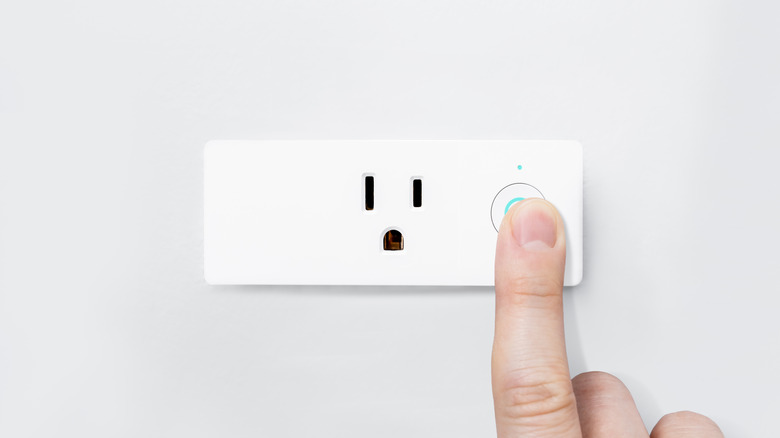
Smart plugs are a simple, cheap way to add smart functionality to your home, even if all of your devices and appliances have no inherent smart features. They act as an intermediary between your devices and a power outlet, so there are several cool ways you can use smart plugs in your home. While smart plugs are great for small, simple devices like lamps or fans, there are some more complex devices that don't pair well with them, such as heavy-duty or heat-generating appliances.
Using a smart plug with an inappropriate device can lead to a variety of problems, including increased or inefficient power usage, device damage or errors, and even electrical fires in the worst-case scenario. It may be tempting to plug every single device and appliance in your home into a smart plug, but no matter how alluring smart functionality is, some devices are best left as they are.
Heat-generating appliances
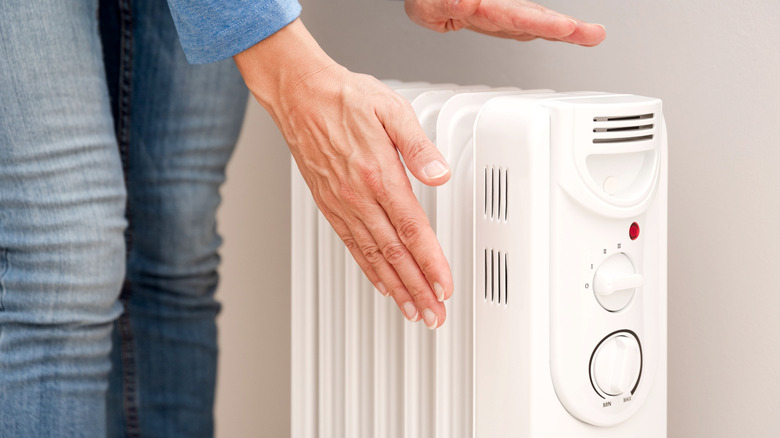
Smart plugs can handle a small degree of heat from certain appliances like coffee makers, but generally speaking, it's not a great idea to plug any kind of heat-generating device or appliance into a smart plug if you can help it. This can include space heaters, electric kettles, and clothes irons. Even if you have a smart plug that claims coffee makers are fine, these too can be a potential hazard.
The precise power needs of a heat-generating device can fluctuate wildly. This isn't a problem when it's plugged right into your home power grid and can get all the power it needs, but when there's a smart plug serving as an intermediary, all of that power needs to flow through it as well. Smart plugs use electricity even when they're turned off, but they're only rated for so much energy delivery at once — and if a device tries to suck in more energy than the plug can handle, it could overload and fail, or even begin sparking and potentially cause a fire.
If you want a heated device with smart functions, it would be better for those functions to be on the device itself rather than trying to get them through a smart plug. Sure, some specialized smart plugs are rated for higher resistive loads, but unless you're absolutely certain yours can handle the device's maximum amperage and wattage for sustained periods, you should avoid using it with heat-generating appliances. And many times, even something as simple as a coffee maker with a built-in timer would be a safer option with essentially the same function.
Outdoor devices

A potentially helpful spot where you could use a smart plug is in your backyard, regulating power for things like decorative lights. With a smart plug, you'd never have to worry about accidentally leaving your lights on all night. However, this usage comes with a major asterisk: You absolutely should not use a regular household smart plug in an outdoor setting.
Indoor smart plugs may have exposed, unprotected outlets. This isn't a concern in your living room, but outdoors, that outlet could be subjected to all kinds of hazards and elements like rain, dirt, and snow, which can lead to internal damage to both the plug itself and anything plugged into it. To clarify, there are specialized smart plugs rated for outdoor use, such as the Kasa Smart Outdoor Plug, which have the necessary weatherproofing to resist the elements. Those are fine to use with outdoor lighting and devices, but don't try to save money by using an ordinary Amazon smart plug in the same setting.
Heavy-duty appliances
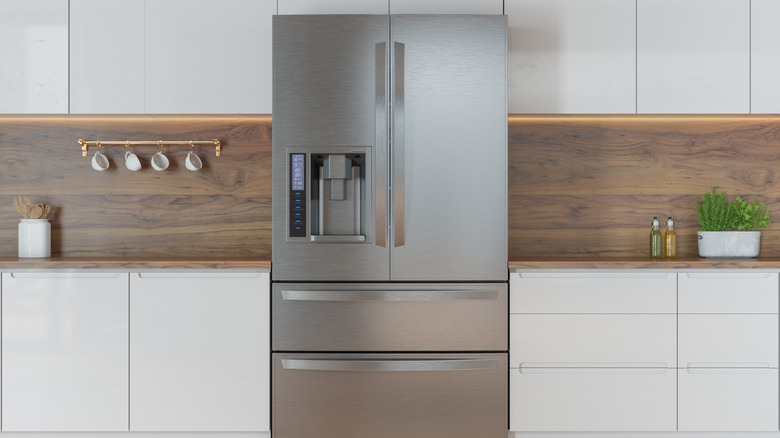
In the same vein as heat-generating devices, heavy-duty appliances, such as washers, air conditioning units, and refrigerators, are bad candidates for smart plugs. Even if the appliance in question isn't generating any overt heat, it can have a comparable thirst for electricity to a space heater, which presents exactly the same problem: An average smart plug doesn't have the electrical load capacity to handle that kind of power influx. Plugging such a power-hungry device into a smart plug can easily push it past its limits, once again leading to failures and fire hazards.
It's also worth noting that heavy-duty appliances that specifically have a motor component like a refrigerator are at particular risk of smart plug-induced damage. In addition to the baseline concern of power fluctuations and overloads, sudden surges and shutdowns caused by electrical problems can damage a motor's electrical components. This means that, not only will you potentially fry the smart plug if you plug your refrigerator into it, but the fridge motor could break down as well, leaving you on the hook for expensive service.
Devices that require constant power
Smart plugs do their best work with devices that are regularly turned on and off, such as TVs, lamps, phone chargers, and anything else that you might accidentally forget to turn off before going to bed or leaving for work. However, some devices are not meant to be turned off, and as such, having any kind of intermediary between them and their power is more of a hindrance than a help.
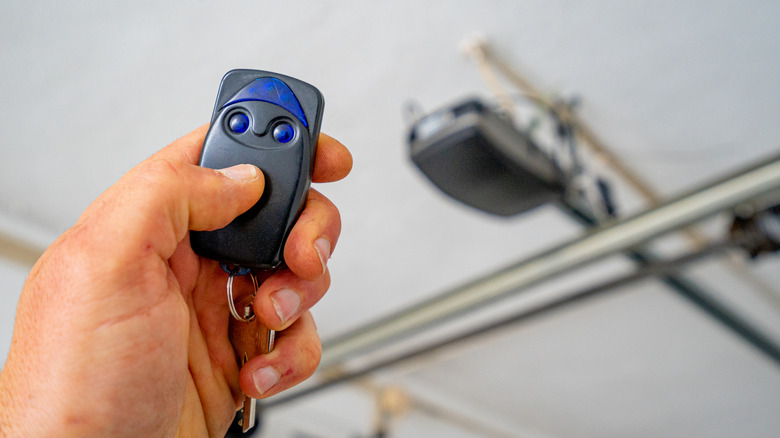
Security systems, for example, are meant to be on and monitoring 24/7. Routing the heart of your security system through a smart plug only creates the risk of accidentally shutting it down in the middle of the day, with no particular benefits. Similarly, devices that require manual activation in addition to consistent power won't work with smart plugs. The motor on your garage door, for instance, is on all the time, even if it only moves when it receives your remote signal. Plugging it into a smart plug will only turn it on or off, not open your garage, not to mention present the aforementioned risk to the motor's electrical components. If a device's functionality is more complicated than "turn on to use," it's not great smart plug material.
Other smart devices
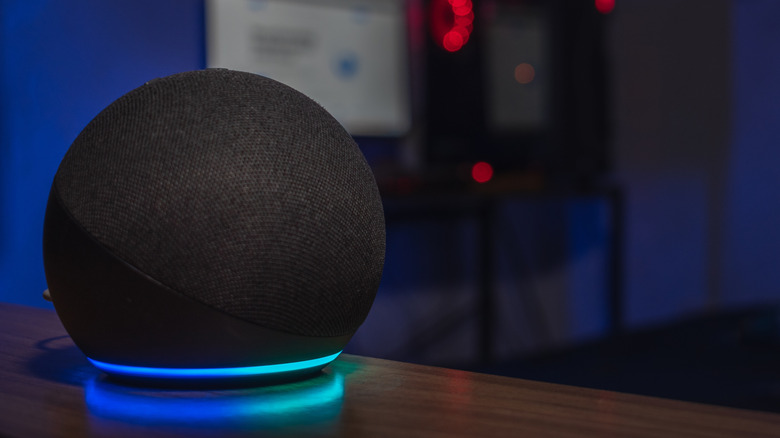
If you're on a roll installing smart plugs all throughout your home, you may feel tempted to plug them into your other smart devices, just for the sake of it. This is a temptation best avoided, as plugging one smart device into another smart device is just going to cause confusion for both of them as they try to run functions and routines that are paradoxically independent and dependent on each other.
Any other kind of smart device, whether it's a smart TV, smart light, or smart speaker, has its own automated procedures it needs to handle and schedules it needs to keep. Layering another smart system on top of it via a smart plug is likely to cause problems, such as interrupting update schedules or confusing programmed routines. Once again, if a device's operation is any more complicated than just turning it on to use it, it's probably not a good fit for a smart plug. Considering a smart device's functions can be exponentially more complicated than that, they're some of the worst choices for practical smart plug usage.