

Dell's New XPS Laptops Feature The First Consumer Display Of Its Kind
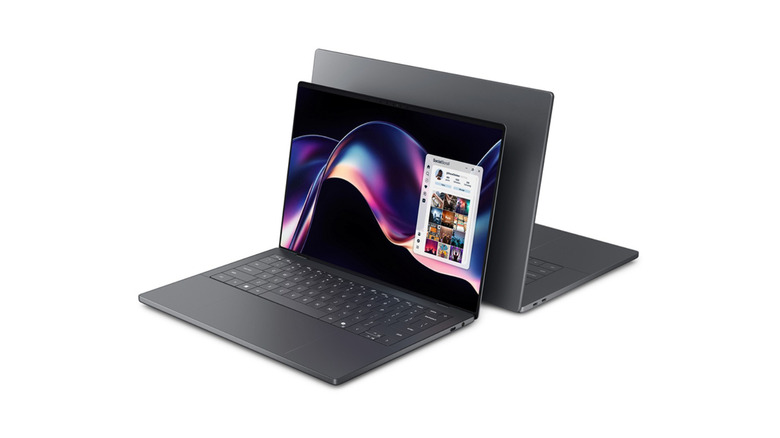
In January 2026, Dell announced the return of its iconic XPS laptop lineup at the Consumer Electronics Show (CES). This comes after Dell killed its XPS lineup and rebranded all its PCs last year. The company unveiled two XPS models, including a 14-inch and a 16-inch model, and promised to expand the lineup with a 13-inch variant later.
In its announcement, the company talks about the different capabilities of the new XPS lineup, including snappy performance and how the new models will deliver incredible battery life. A big reason why Dell says the new XPS lineup will provide solid battery life is the new display that the company is using. The new XPS lineup uses a one-of-a-kind LCD panel that incorporates LG Display's Oxide 1 Hz technology.
Although Dell's XPS lineup was announced in January, LG Display recently announced that it has begun the world's first mass production of its new LCD displays. The new display offers a variable refresh rate, ranging from as low as 1Hz to 120Hz. The display is equipped with the ability to intelligently adjust the refresh rate based on the type of activity. Both the new XPS 14 and 16 feature a 2K display powered by the same technology, with 500 nits of brightness.
The new display improves battery life across the XPS lineup
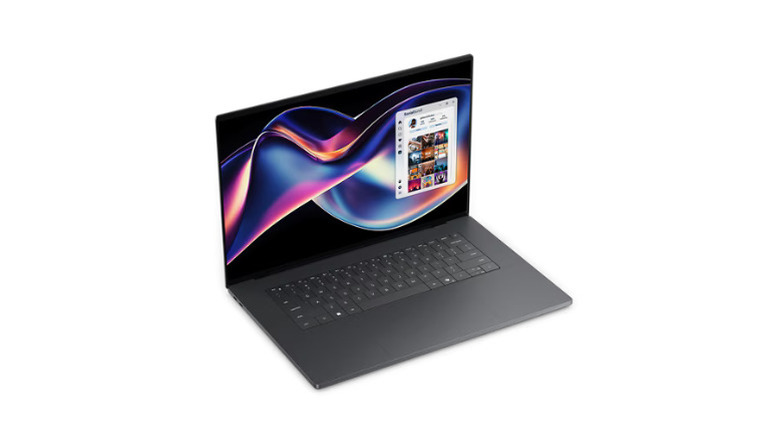
According to Dell, the new XPS lineup boasts the "best battery life in the industry" with up to 31 hours of screen time. While you shouldn't take a company's word at face value, especially when it comes to battery life estimates, one thing is for sure — the new 120Hz LCD display plays a big role in helping the XPS series last longer on a single charge. In fact, LG Display claims that the panel helps achieve "48% more use on a single charge compared to existing solutions" by simply adjusting the screen's refresh rate based on usage activity.
For example, when you're watching sports content on your XPS laptop, it will crank up the refresh rate to 120Hz to reduce flickering and ensure a smooth experience. On the other hand, it will reduce the refresh rate to as low as 1Hz when you're doing tasks that don't need a higher refresh rate, such as reading content on the web or working with spreadsheets in Excel. That said, different display technologies have their pros and cons. Hence, LG Display plans to begin mass production of a 1Hz OLED panel featuring the same automatic refresh rate adjustment technology in 2027.