

China's Battery Breakthrough Packs More Energy Into The Same Size
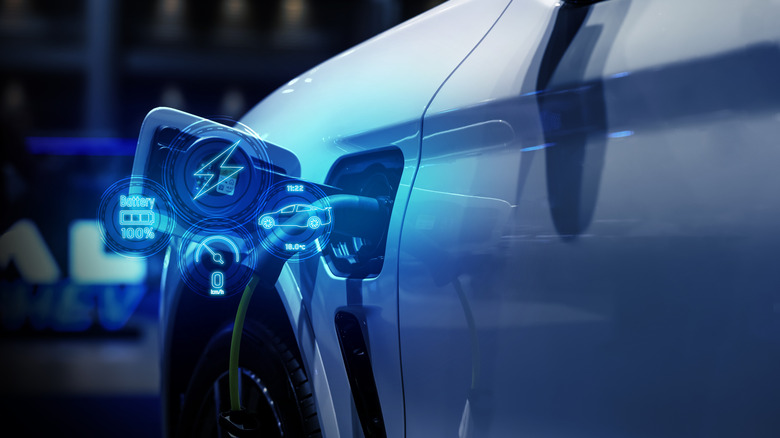
A breakthrough in China could open the road for EVs to have greater range and overall promote electrification in numerous industries. After decades of research trying to develop a lithium-metal battery, researchers at Nankai University redesigned the electrolyte system in lithium batteries to remove a critical bottleneck. Electrolytes in such a battery help lithium ions move. As the ions shuttle between electrodes, they enable the battery to charge and discharge. Traditional electrolytes can slow charge transfer, but the redesign improves that by weakening how tightly lithium ions are held, allowing for cleaner interactions with the electrodes.
The breakthrough is possible because of one main change. Lithium-ion batteries put the lithium inside a host material, usually graphite, but these scientists ditched the graphite anode and replaced it with lithium metal. The change can reduce thickness and increase overall battery capacity. The proposed lithium-metal batteries will use fewer electrolytes, which is important because electrolytes don't store energy. Without it, the battery can hold more energy per pound. Electrolytes also thicken in low temperatures, causing ion movement to slow.
The new design maintains low viscosity and ionic conductivity, even in extreme cold. Scientists have struggled to make lithium-metal batteries work before because of dendrites, which are needle-like growths that can pierce the barrier between electrodes and short-circuit the battery. Dendrites form during charging, when lithium builds up unevenly on the anode during a process called plating. The redesign keeps the plating smooth, meaning dendrites are less likely to form.
How China's lithium-metal battery could reshape EVs, drones, and space missions

Society runs on batteries. This breakthrough could change lives, from scientific discoveries to binging "The Pitt" on your phone. One of the biggest changes will be how you travel to work, whether in Savannah or Saskatchewan. The study, completed in lab conditions, shows the batteries will see about 700 watt hours per kilogram (Wh/kg) in room temperature and about 400 Wh/kg at -50 degrees. Today's EV batteries are typically 140–200 Wh/kg, equating to about two or three times the range. In other words, longer commutes in Alaska and longer road trips on Route 66.
Lighter batteries also mean drones and unmanned craft will travel farther with lighter payloads. About three million are registered in the U.S. today. Longer flight times will reduce the cost, meaning more companies could turn to drone delivery services, something Walmart is already testing out. There wouldn't just be a commercial impact, either. Unmanned vehicles assist with search and rescue operations, monitor natural disasters, inspect infrastructure such as power lines, and help deliver medical supplies to remote areas.
Areas with little infrastructure could see the biggest benefit. Scientists in the Antarctic would be able to store much more renewable energy, as would missions in space. The batteries would keep up performance in low temperatures of distant planets or shadowed craters where the sun doesn't quite fill solar panel capacity.
Why China's lithium-metal battery isn't ready yet

However, before you plan a polar expedition, remember this battery breakthrough has only occurred in a controlled lab in China. It's still unclear what kind of long-term degradation or safety concerns the batteries might have, so there are several steps that have to happen before consumers will ever see these batteries. For instance, scientists will need to increase how many charges per cycle the batteries can survive. The study shows 99.7% efficiency per cycle, meaning about 0.3% lithium is lost with each full charge and discharge cycle. High quality battery cells top 99.9% in efficiency per cycle.
The new design will need to be tested alongside battery components, as well, testing how lithium ions interact with battery components, such as the housing or current collectors. They have the potential to accelerate degradation or, in some battery systems, lead to gas formation. The presence of gases is a bigger concern and could be a roadblock for commercial release. The electrolyte that controls how lithium ions move and react contains fluorinated compounds.
While these compounds aren't the kind of forever chemicals often associated with health risks, they will still face extra scrutiny for toxicity, manufacturing safety, and disposal. Despite a few obstacles, the new lithium metal battery design developed in China is promising. Scientists around the world have tried to develop one for more than 40 years and now their work could pay off within the next decade.