

Your Phone Carrier's Customer Service Might Be Completely Changing Soon - Here's Why

The FCC is setting its sights on wireless carriers again, now looking to upend customer service operations. In early March, FCC Chairman Brendan Carr announced that the agency would address how phone, internet, and cable companies outsource to international call centers, claiming it creates "confusing service, delayed support, and even security risks." Almost a month later, the FCC shared its proposal, breaking America's customer service issues down into three broad categories.
First, it aims to curtail the proliferation of offshore call centers, likely setting caps on the percentage of calls that can be handled abroad. Second, it seeks to improve customer experiences by imposing language proficiency and training requirements. To address security concerns, the proposal looks to limit the types of transactions that can be handled abroad, potentially restricting whether passwords, financial transactions, or identifying information can be disclosed to call centers in foreign countries. Furthermore, the FCC is looking to limit where companies can outsource their customer service operations. Lastly, it proposes to address the proliferation of robocalls and illegal customer service scams spamming constituents.
Moving forward, the FCC will solicit industry and regulatory comments on the above-mentioned rules. However, the proposal is notably lacking in details on how it will impose its new rules. It does shed light on the direction the FCC hopes to push the country's customer service industry. When combined with the continued migration of customer service jobs towards AI-automated systems, the proposal signals an oncoming shift in America's customer service industry that likely stokes more questions than answers.
The proposal: an in depth look
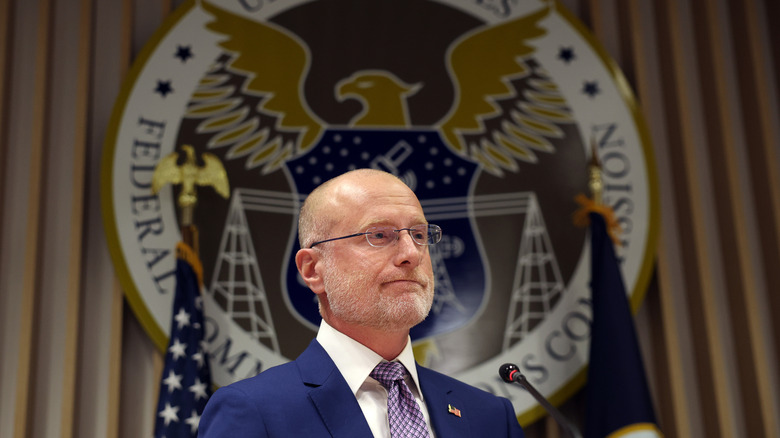
The FCC's primary objective is to encourage companies to bring back onshore call centers. The proposal doesn't float the notion of an all-out ban, but it does propose a cap on the "percentage of calls that can be connected to overseas call centers." To further incentivize domestic customer service operations, the agency hopes to require companies to disclose the location of their call centers, both as a whole and on a call-by-call basis.
The FCC believes its proposal will "improve the customer service and security of communications between an American and any call center that remains abroad" by "requiring workers at call centers to be proficient in American Standard English and otherwise be trained appropriately for resolving issues with U.S. customers." Companies must also offer customers the ability to "transfer a call to a U.S.-based customer service representative" when prompted. It wants to address perceived privacy and security concerns. According to the release, this could require calls involving "passwords, multi-factor authentication information, social security numbers, and bank or credit card information, or any combination of this information" to be handled domestically.
Furthermore, this will ban companies from using call centers in "foreign adversary" nations, where they "are subject to exploitation, influence, or control by foreign adversary governments." The agency also hopes to disrupt "scam calls" by creating financial barriers that "can take the profit out of those operations." However, details of such a system remain murky, as the commission continues to seek guidance on how scammers should be identified and penalized.
An uncertain future

It's difficult to gauge how the proposal will impact the average American, as the scale and shape of these impositions are still uncertain. The top concern will undoubtedly be costs. According to estimates cited in the proposal, the average salary of a customer service representative in the U.S. is up to 23 times more than that in India. To offset costs, companies will likely lean into AI. Gartner predicts that 80% of customer service queries will be automated by 2029.
However, Gartner cautions that such moves are unlikely to reduce costs, as another of its studies found that generative AI will likely become more expensive than offshore call centers by 2030. In fact, it predicts that 10% of Fortune 500 companies will double their customer service spending through the practice. One counterargument is that the potential for increased customer satisfaction will offset such financial losses. According to Qualtrics XM Institute, poor customer service costs companies $3.7 trillion annually. However, early returns show widespread dissatisfaction with AI-automated customer service features, calling such claims into question. Another major question is security.
As with the FCC's ban on foreign-built routers, it's uncertain whether the proposal directly addresses the root cause of these criminal operations. The National Consumer Law Center found that robocall scams cost Americans up to $30 billion in 2021 alone. On its surface, it's unclear whether moving U.S. customer service businesses will adequately remove the technical infrastructure enabling these scams. Of course, the FCC's proposed fees and data restrictions could make a dent, but more information is needed to gauge whether such security gains will ultimately be worth the costs.