

What Happened To Sega? Why The Company Stopped Making Consoles
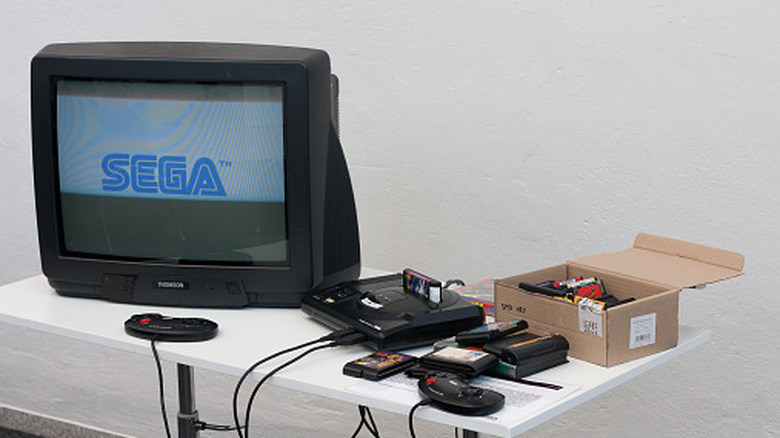
For old school gamers, Sega consoles are almost as iconic as Nintendo's. There's even an argument to be made that Sega came close to winning the "console wars." However, Nintendo ultimately prevailed in that fight, with Sega's last major console being the Dreamcast. Although the company still exists, it stopped releasing new consoles after missteps and missed opportunities, which caused Sega to slowly but surely lose ground in this particular area of the gaming industry.
During the late 1980s and early 1990s, the Sega Genesis was a significant competitor against the Super Nintendo Entertainment System. Although the Super NES ultimately sold more units during this time, the Genesis wasn't too far behind, particularly considering how poorly Sega's previous console, the Sega Master System, fared against the original Nintendo Entertainment System. The Genesis technically sold 20 million fewer units than the Super NES, but its sales represented a significant improvement over the previous generation of consoles.
Sega seemed like it might continue on this trajectory, but its momentum in the console arena only got derailed when other companies, like Sony, started entering the space. This triggered desperate moves that would cost Sega dearly.
Sega's eagerness to win the console wars was its downfall
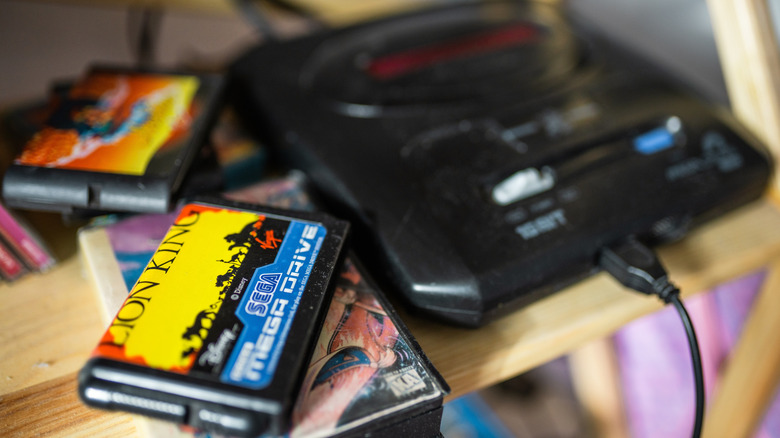
The announcement of the Sony PlayStation in the middle of the console wars was significant for a few reasons. First, it was of course noteworthy that a new competitor was entering the fray, particularly one with an established brand. Second, the PlayStation would mark the shift away from cartridge-based consoles to CD-based consoles. Sega decided to get in on this development early by rushing its Sega Saturn console into stores in 1994.
This hasty decision proved to be the first of many mistakes that would eventually take Sega out of the gaming console industry. While the Saturn managed to reach stores before the PlayStation, it did so with an extremely limited selection of games. Just as Nintendo was riding high on the success of the Nintendo 64 and Sony was poised for its own massive console success, Sega's blunder seriously harmed the company's reputation with gamers.
Sega needed a hit, and initial sales of the Dreamcast, which went on sale in North America in 1998, looked promising. Once rival consoles like the PlayStation 2 and the Nintendo GameCube debuted in 2000 and 2001, respectively, the Dreamcast could no longer compete. These consoles boasted additional features like DVD players and more support from third-party game developers, and by 2001, Sega had thrown in the towel when it came to developing consoles.
What Sega's been up to since the Dreamcast days
Sega began 2001 with an announcement that it would no longer be building new consoles, but it still achieves fairly robust game sales, in part thanks to developing or owning (or both) major franchises like "Sonic" and "Persona." Sega's also gotten into the business of releasing new versions of its old consoles, such as a miniaturized take on its handheld Sega Game Gear console. There's also the Sega Genesis Mini, which got strong reviews upon its 2019 release.
Today, the relationship between Sega and companies like Nintendo is more cooperative, with some classic Sega games even being made available on the Nintendo Switch. Gamers who remember the '90s would likely be shocked to learn iconic Sega games could one day be played on Nintendo consoles. Still, these types of adaptations and strategic adjustments have allowed Sega to remain a major figure in the world of gaming, even if its days of releasing major consoles are in the past.