

What Happens If You Wear Your AirPods All Day?

Apple's AirPods and similar wireless earbuds from competitors are nearly ubiquitous, as many people use these devices to listen to music and other audio content and talk on the phone throughout the day. They're seen everywhere, as people wear AirPods on the street and in other public places. Batteries last for several hours, depending on the model, and the carrying case provides several extra charges — which still may not be enough in some cases, with battery life ranking as a flaw of the latest AirPods models. While wearing AirPods may feel like second nature to some people, even when they're not playing audio, it's not advisable to wear wireless earbuds all day. The AirPods will block the ear canal when worn, and continuous use can impact the health of the ear. On top of that, listening to music all day can impact hearing.
Keeping AirPods inside the ears without using them may seem convenient to some people. They can quickly resume music playback when they want to, and answering calls from the earbuds is seamless. Also, using AirPods Pro models can provide a better seal and protect the ear from certain environmental sounds and other loud noises that can lead to hearing loss. However, prolonged AirPods use can hurt the ear even if the earbuds aren't playing any sounds. Longer exposure to loud music is a risk factor for hearing loss.
Put differently, wearing AirPods all day long can hurt the user in two different ways, impacting both the physical health of the ear and the user's hearing. It's not just AirPods that can cause issues, but any wireless earbuds that are worn continuously inside the ear.
How AirPods can hurt the ear

Wearing AirPods all day means the earbuds will block ventilation to the ear, which is required for the organ's normal function. Moisture and warmth can accumulate while the ear canal is blocked, which can lead to issues like swimmer's ear, an infection of the outer ear canal. The Mayo Clinic explains that water and moisture in the ear can favor bacteria growth. Earbuds and even hearing aids can damage the skin, which can increase the risk of developing swimmer's ear.
Even without developing swimmer's ear, wearing AirPods can lead to skin lesions, as the devices can cause pressure and irritation. The longer you wear the devices, the longer the exposure to the irritant is. In addition to skin reactions, ear infections (including swimmer's ear) can appear with prolonged earbud use.
Finally, there's earwax to consider. The ear canal produces earwax as a defense mechanism that protects the area against debris, water, and other small particles that might make it into the ear canal. Earwax will move outward on its own, but AirPods can block that pathway, leading to the accumulation of earwax and blockage. In turn, that wax buildup can lead to hearing loss and other issues. The AirPods themselves can also accumulate wax and dirt, and should be cleaned routinely – just make sure to avoid these mistakes when cleaning your earbuds.
What about hearing loss?
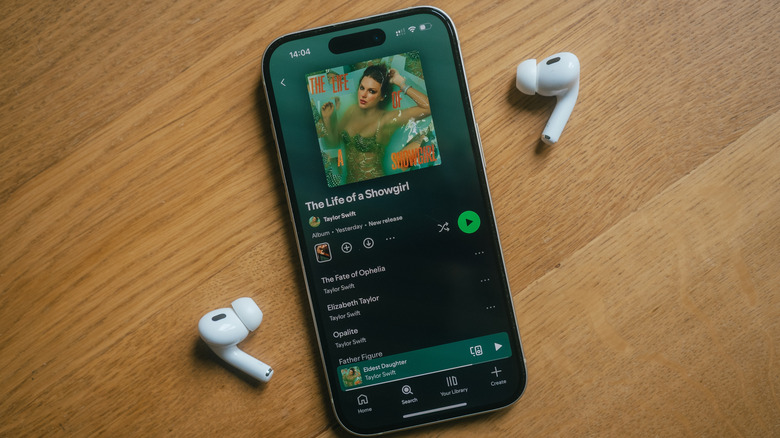
People accustomed to keeping their AirPods in for long periods may experience some mild symptoms, like itching or redness. Some pain may develop if the skin is damaged. In time, these symptoms may worsen and require medical attention. But it's likely that people who wear AirPods all day long will also listen to music or talk on the phone for several hours. Exposure to prolonged audio content can cause hearing issues, regardless of earwax buildup, depending on the volume.
According to the World Health Organization (WHO), the louder the sound, the shorter the time you should spend listening to music. The WHO refers to the total dose of sound exposure over a given period. For example, there's no limit if you're listening to music at 60 decibels (normal conversation sound). Raising the volume to 80 decibels (doorbell) reduces the safe listening time to 40 hours a week. A volume of 85 decibels (heavy traffic) means it's safe to listen to music for 12 hours and 30 minutes every seven days. Raising the volume to 90 decibels (shouted conversation) reduces the safe listening time to four hours every week.
The National Institute on Deafness and Other Communication Disorders (NIDCD) notes that long or repeated exposure to sounds at 85 dBA (A-weighted decibels, a measure of how the human ear perceives the loudness of sounds) can lead to noise-induced hearing loss. The institute also points out that it generally takes less time for hearing loss to occur as sounds get louder. The Centers for Disease Control and Prevention (CDC) has similar guidelines, recommending no more than eight hours of listening to 85 dBA sounds. The guidelines aren't restricted to AirPods use, as other types of loud sound exposure can lead to hearing loss, too.