

Why Aren't All Batteries Rechargeable?
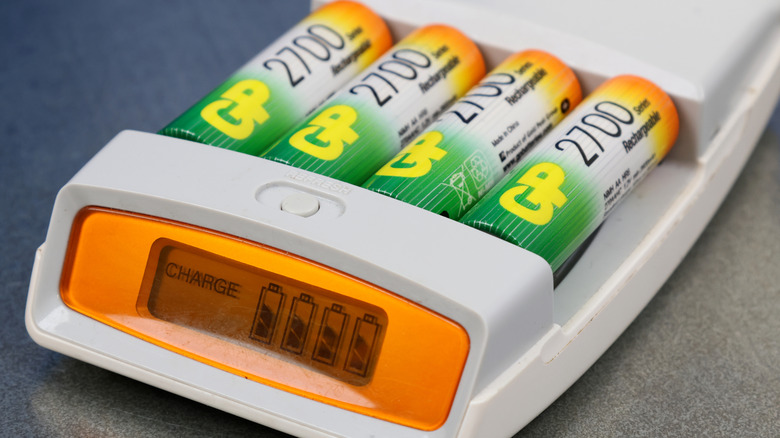
Seems wasteful, doesn't it? If you're like me, every time you pop the batteries out of a remote, gamepad, or flashlight and have to throw them in the trash (or recycle them), there's the faintest ripple of guilt. Surely condemning these tiny receptacles of heavy metal to a landfill can't be great for the environment. In fact, some rechargeable power sources like EV batteries are also highly recyclable. Why, then, do traditional, single-use batteries exist at all?
There are myriad, complex reasons why not all batteries are recyclable. Some of those reasons have to do with the chemical makeup of batteries; others are more closely linked to practical considerations like economics and form factor. While it's theoretically possible in terms of material science and chemistry, to make the vast majority of batteries recyclable, it's not practical.
While traditional batteries may indeed be more wasteful and disposable than rechargeable ones, there are circumstances where they make more sense. It's more practical from both the manufacturer's bottom line, as well as for your wallet and convenience.
Delivering power through chemistry
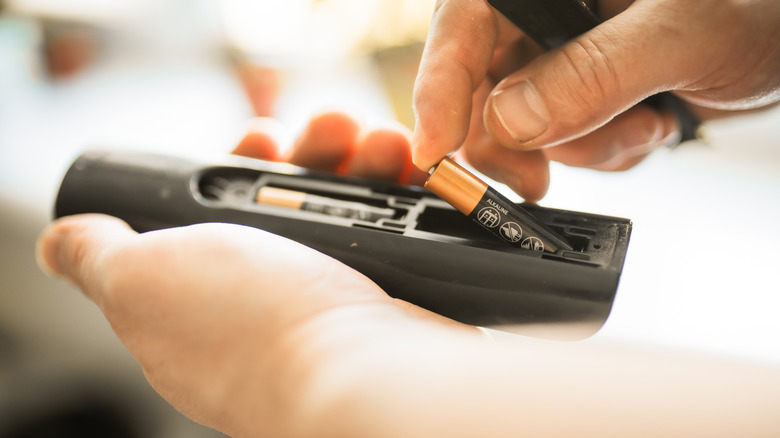
Whether or not a battery is rechargeable comes down to what it's made from, and how it's designed to deliver power. All batteries include both a positive electrode and a negative electrode, bookending some kind of electrolyte solution. Common, non-rechargeable (primary cell) AA and AAA batteries are typically alkaline, and include zinc metal and manganese dioxide electrodes. When an alkaline battery is discharged, irreversible chemical reactions occur that eat up the zinc metal, transforming it into zinc oxide. No matter how many electrons you pump through it, you can't change that zinc oxide back into its metal form. The manganese dioxide is also permanently changed.
By contrast, rechargeable batteries like lithium ion (Li-ion) or Nickel–Metal Hydride (NiMH) batteries use reversible "intercalation" reactions (or, in the case of quantum batteries, quantum states). Li-ion and NiMH batteries work by shuffling ions in and out of crystalline structures without damaging them, so you can cycle ions in and out of the battery multiple times. This type of battery is also called a secondary cell battery. Rechargeable batteries also tend to include features like seals and heat sinks to ensure that they're not damaged by heat or the build up of volatile gases when you recharge them.
The TL;DR is that classic, non-rechargeable batteries contain components that are transformed or "used up" when they're discharged, making recharging impossible. Rechargeable batteries, on the other hand, contain structures that aren't damaged when the battery is in use, so they can survive multiple energy cycles.
The grim reality of capitalism
The other reason that not all batteries are rechargeable is less scientific and more banal. Remember those special seals and vents and other features that make recharging batteries safe? They also add weight and complexity to a battery, which means they're more expensive to produce.
For low-drain devices (think a smoke detector, or the aforementioned remote control), a standard alkaline battery might last months or even years without needing to be replaced. While you could install a rechargeable battery in a device like that, you'd be spending more for limited benefit. If every battery were rechargeable; you'd pay significantly more for every tiny battery, you'd be required to keep a multitude of chargers on hand for various sizes/chemistries, and would still face trade‑offs like lower voltage or shorter shelf life in some rechargeable chemistry.
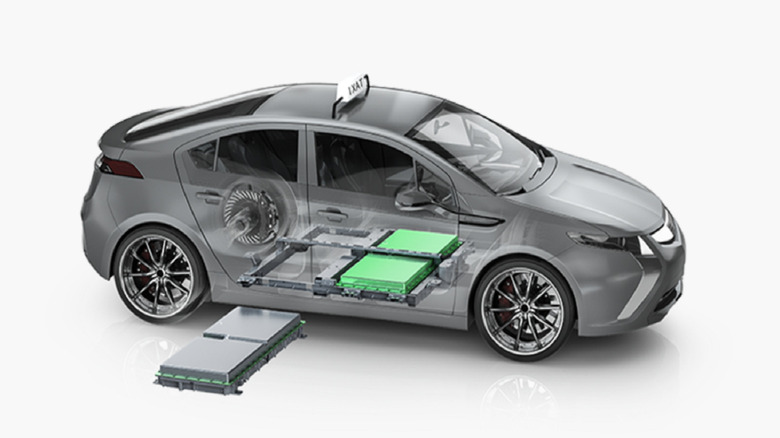
For many applications, rechargeable batteries make perfect sense: electric vehicles, power tools, laptops, etc. But some battery chemistries mean they're inherently one-way and, more importantly, some use cases mean making batteries universally rechargeable would be more trouble (or so goes the reasoning by battery makers) than it's worth.