

Colorado's New Speed Cameras Might Make Your GPS App's Warnings Completely Obsolete
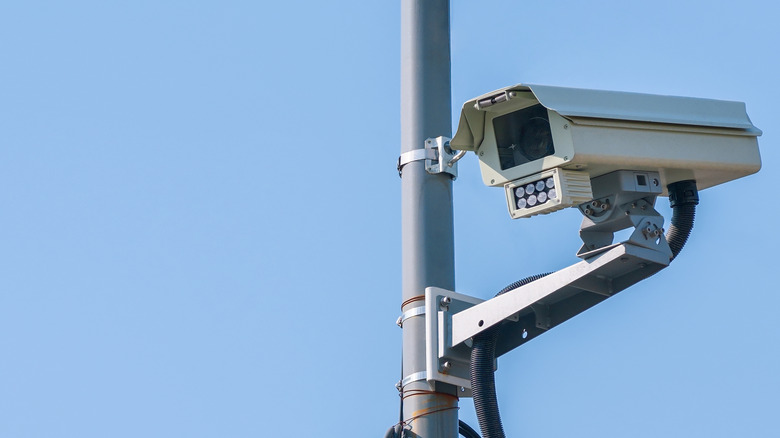
Speed cameras are designed to track how fast you're driving on the road and in Colorado, they can now translate to an automatic $75 fine. The Colorado Department of Transportation (CDOT) set up more than a dozen new cameras to reduce speed-related incidents in work zones. Posted on I-25 and Highway 119 south of Fort Collins, these new speed cameras might render radar detectors and GPS apps useless by calculating average speed over a set distance.
Unlike the 'Cybertruck' speed cameras, that are a serious eyesore, and are intended to capture instant speed readings, the new units in Colorado are aimed at simply capturing average speeds. With the passing of Colorado Revised Statute 42-4-110.5, the CDOT and law enforcement can use speed cameras in driving areas deemed high-risk zones. The program was created to reduce speeding in construction zones, where there is increased risks to workers and where police patrols are difficult.
Apps like Waze have a feature that tracks speed cameras, audibly alerting you before reaching one, and radar detectors can warn you of impending speed enforcement. However, the Colorado cameras are designed to snap a photo of passing car license plates, at an entry and exit point, to calculate average speed and fine offenders automatically.
Tracking average speed changes the GPS app alert game

Driving apps have generally made traveling in a car less difficult and time consuming. Before smartphones and GPS navigation, getting to a new destination typically required relying on a physical map, plotting your course ahead of time to avoid wrong turns or simply going the wrong way. Apps like Google Maps make this process simpler by providing directions and notifications about upcoming problems or closures on your smartphone. That goes for international travel too, as Google Maps now shows speed limits and speed cameras in 40+ countries.
Waze is another app that helps find the fastest route based on user-submitted reports around traffic jams, hazards, and speed cameras. Alerts like these are useful for avoiding penalties for going too fast. This may help with instant speed-reading cameras, but not with setups that track average velocity, like in Colorado. Now that the warning period is over for the state's new speed-tracking system that calculates how fast you're going over a 5-mile stretch, GPS-based apps may prove far less helpful on this front.
Different types of speed cameras

There are many different types of traffic-based cameras like those in Colorado that track average speed. They are usually installed to prevent accidents, protect road workers, and slow down speeders. While the cameras along I-25 in Colorado are being used in construction zones, there are other applications. Automated instant speed cameras, like the AutoPatrol units in Chicago, use radar technology and are triggered when a car traveling over a set speed goes past.
The camera will then snap a photo and record a video of the vehicle, and its license plate, which can be used as evidence by law enforcement. There are even traffic cameras that can tell if you're texting while driving. The basic goal of these cameras is to prevent drivers from going over the speed limit, and with the new approach being implemented in Colorado, those efforts are more focused than ever.