

Here's How Satellite Connectivity Works On Your Smartphone

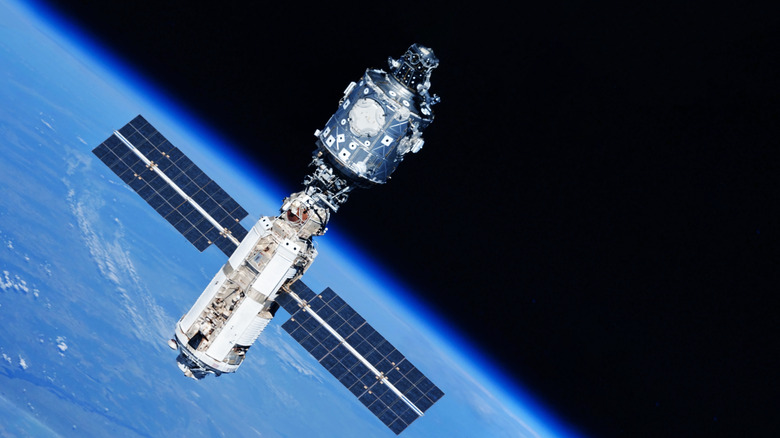
Some of the most premium smartphones available on the market offer satellite connectivity, like the iPhone 17, Galaxy S26, and Pixel 10 series. This technology can help reduce the dead zones you might encounter in remote areas, deserts, or oceans, and it can even provide a crucial lifeline for travelers and those in rural areas. If your phone has satellite connectivity, it can communicate with a satellite in Low Earth Orbit (LEO), which essentially acts like a cell tower in space to help you message someone, contact emergency services, or more recently, access limited app functionality.
Apple was the first smartphone company to embark on the satellite connectivity feature with the emergency SOS functionality introduced with the iPhone 14 series, which means there are several iPhones that support it. Other key players like Samsung and Google have caught up with Apple in some regards, although specific technologies and partnerships can vary between providers. For example, Apple partnered with Globalstar, and Google went with Skylo to provide emergency SOS features that closely mirror Apple's. Meanwhile, Samsung's situation is more conditional and carrier-dependent.
But from the perspective of an end user, there are two different types of satellite connectivity that you should be aware of. The first is the emergency SOS functionality that Apple introduced, which is typically provided free of charge with the purchase of a device and includes limited connectivity meant to be used in emergencies. The second type is known as direct-to-cell (D2C) service, and it's currently being rolled out by carriers like T-Mobile and Verizon. With D2C service, the connection treats the satellite similarly to a 5G cell tower, enabling more features than just emergency calls and texts.
Here's how emergency SOS satellite connectivity works on a phone
If you have an iPhone 14 or newer or a Google Pixel 9 or newer, you can use emergency SOS features. This is built-in functionality that uses satellite connectivity to support certain emergency-focused features, and the service it relies on is included with the purchase of your phone instead of being tied to your carrier plan.
To enable it on your iPhone, open the Control Center, tap the Cellular button on the right, then Satellite, and choose the satellite feature you want to use — however, to make this connection, your device can't have access to Wi-Fi or cellular data. To use emergency SOS functionality on your Pixel, open the Phone app, and if you have no mobile data or Wi-Fi connectivity, the dialer interface will show a Satellite SOS option. Tap this, then press Use Satellite SOS and hit Start. For best results, you'll want to be outside with a clear view of the sky and the horizon, and ideally, away from trees, dense foliage, or buildings.
Currently, Apple offers the most complete satellite-based emergency SOS functionality, as you can send and receive messages (although no photos or video), use the Find My app to share your updated location, get roadside assistance, and contact emergency services. On the Android side of things, Google has copied much of Apple's built-in emergency SOS functionality on the Pixel 9 and later, including the ability to contact emergency services and share location. Samsung does not offer a built-in emergency SOS service — instead, the Galaxy S25 series and newer flagships support emergency SOS features provided by certain carriers. That's the second type of satellite connectivity that you need to know about, and we'll explain that in detail next.
Direct-to-cell satellite service is the next big thing
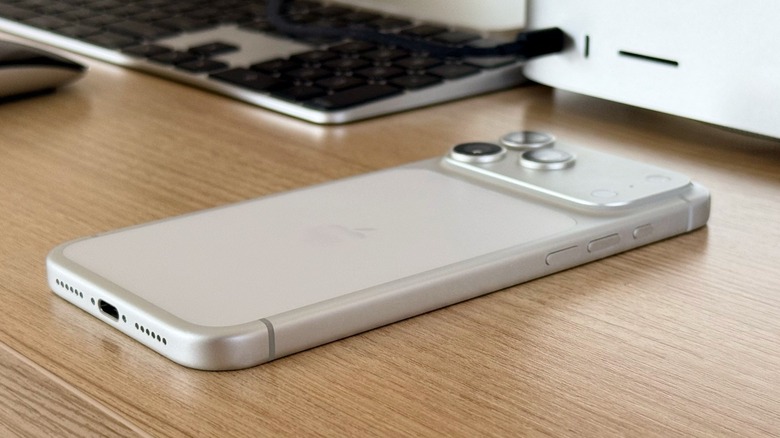
While emergency SOS has been available for a few years now, the next generation of satellite connectivity involves direct-to-cell (D2C) satellites. In the U.S., T-Mobile has partnered with Starlink to let you send texts (and photos), voice chat with WhatsApp, and even use select apps via satellite connectivity. The carrier offers this functionality through its Experience Beyond plans and as an add-on for other plans. T-Mobile calls this service "T-Satellite," and it works with most phones released in the last few years, including iPhone, Galaxy, and Pixel devices.
Besides T-Mobile, Verizon also offers the ability to text using satellites, but for free, as the offering is not as complete as the other carrier. The service is provided in partnership with Skylo, but currently only works with recent Samsung Galaxy and Google Pixel phones. AT&T's D2C service, the product of a partnership with AST SpaceMobile, is still a work in progress. The company says it's "too early to give a specific date" on a potential rollout, but that it's "working towards a commercial launch" now that a partnership is in place with the satellite provider.
To enjoy these new features, not only will you need a carrier that supports these technologies, but a phone that has access to direct-to-cell satellites. As mentioned, T-Mobile's service is available for most newer phones, but other carriers require specific handset models. One thing that may help spur more widespread availability is the rumored functionality purportedly coming with the iPhone 18 Pro and its C2 5G modem. This would help the next generation of iPhone models treat a satellite like a standard 5G cell tower, which could enable the features above in addition to other rumored functions reported by Bloomberg, like Apple Maps navigation via satellite.