

Stop Buying Expensive 'Future-Proof' PC Parts - Do This Instead
We may receive a commission on purchases made from links.
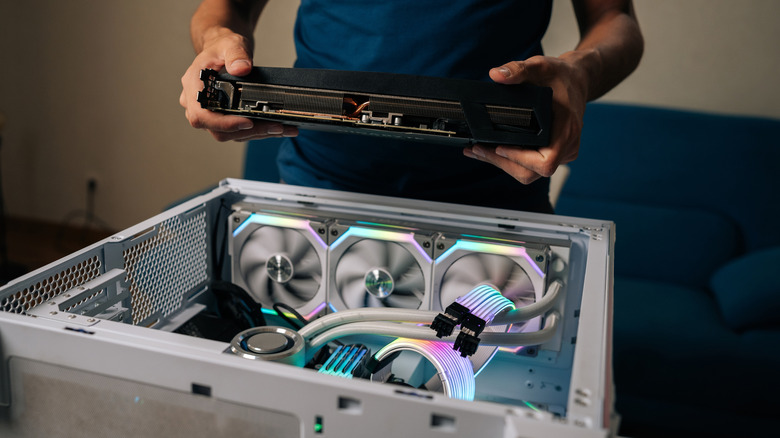
As a lifelong tech enthusiast and early adopter, I get it. The appeal of a shiny new component, like the latest RTX GPU or whatever Lake the newest Intel processor is named after, can be overwhelming, particularly when you see reviewers raving about it and the FOMO hits. That said, I'm also a lifelong DIY PC builder, and one of the lessons those decades of experience have taught me is that the newest isn't always best.
For one thing, new parts can be plagued by technical hiccups as the firmware and software struggle to catch up, and, more importantly, brand new components are typically saddled with massive price tags (particularly now, when the RAM shortage is driving up prices for so many common items). What's more, the idea of "future-proofing" by buying the latest parts is something of a myth.
No component will remain top of the line for long, and in many cases, a lower-tier version will be just as viable in a few years as the most expensive option. Do you really want to spend thousands on an Nvidia GeForce RTX 5090 GPU, when a much cheaper 5070 will still be able to handle brand new games in three to five years? Instead, consider buying more affordable parts and invest the money you save in truly future-proofed upgrades, like durable peripherals or a cozy new chair.
The myth of future-proofing
The problem with paying to future-proof your PC is the assumption that you can outsmart (or outbuy) the pace of innovation. Reality has shown time and again that components are subject to rapid and often sudden generational leaps, shifting software demands, and new standards. This has never been truer than the present, when chip shortages are causing prices of brand-new components (especially stuff like GPUs that rely on onboard RAM) to skyrocket, making the cost of staying ahead of the technological curve more expensive than ever.
Speaking of GPUs, they're an especially poignant example of why future-proofing doesn't really pay off. You can spend hundreds of dollars now on a cutting-edge graphics card to net a 20 or 30% increase in performance, only for mid-range cards to catch up or surpass that in two or three years (often with better efficiency). At the same time, those new mid-range cards often pack hardware like updated ray tracing cores or AI acceleration that can outpace older cards even further in specific workloads.
High-end CPUs are an even better argument against overpaying to future-proof. Unless you need the additional cores for a very specific task, a well-balanced midrange chip often delivers nearly identical real-world results. Most games and common apps you use on a daily basis favor single-core performance, so you may be paying a premium now for a benefit that never actually materializes.
Invest where it matters
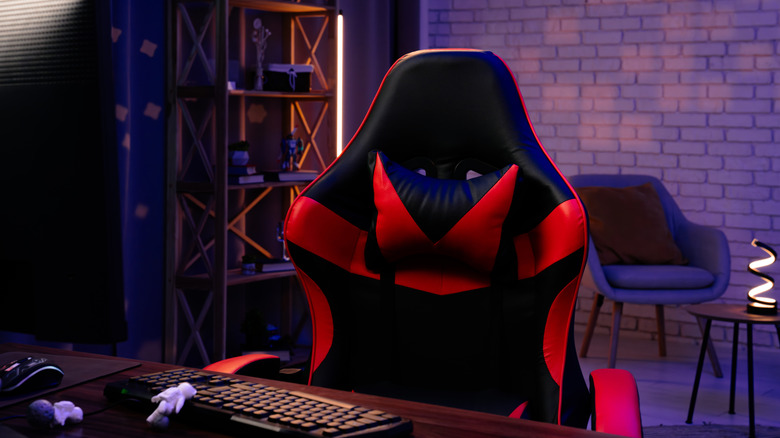
Instead of burning money to avert some nebulous sense of FOMO, consider investing that money in the stuff you'll actually appreciate every day. As I've learned countless times myself, after an initial wow period, once a new GPU disappears inside your system, you'll forget about it within a couple of weeks. On the other hand, if you spend your money on a cushy new gaming chair, you'll appreciate it every time you sit down for a marathon gaming session (your back and neck will thank you, too). The same is true for the peripherals that your hands and eyes are on every single day.
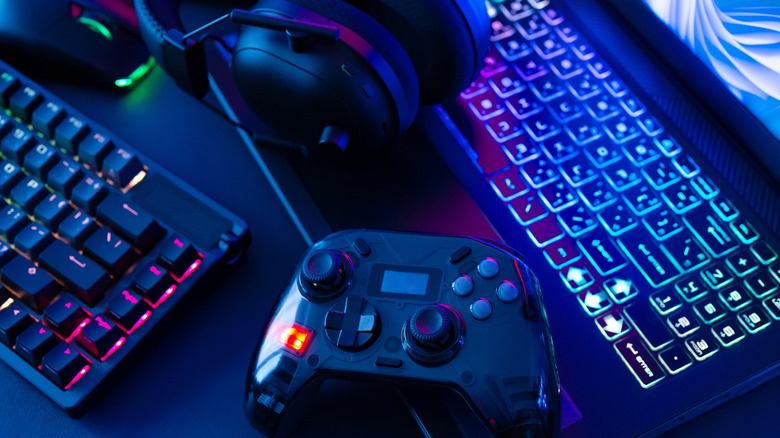
Focusing on peripherals is easily the cheapest way to upgrade your gaming rig. A high-quality monitor with better color accuracy, refresh rate, or resolution will make a difference every time you sit down at your PC, and can outlast a GPU by many years. A great mechanical keyboard can also be a game changer (sometimes literally); as someone who loves the tactile feel and clickety-clack of Razer Green switches, my Razer BlackWidow is one of the best investments I've ever made.
Proper headphones or speakers are another underrated, relatively inexpensive piece of a perfect PC setup, but they can have a huge impact on comfort and immersion. In the same vein, upgrading your cooling or buying quieter fans can improve your home office environment and even extend the lifespan of your machine/other components. The key is spending your money on the things that you use and, importantly, notice every single day. Try upgrading one of the pieces I mentioned above, and compare the impact to the last time you burned an entire paycheck on a new graphics card.