

3 Companies You Might Not Realize Are Owned By Foxconn
You may not have heard of them, but odds are, you have at least one Foxconn-produced electronic device in your home. The Taiwanese manufacturer makes numerous consumer electronics, including iPhones, Google Pixel devices, Kindles, and gaming consoles for Nintendo, Sony, and Microsoft.
Foxconn, notorious for its secretive factories and tough working conditions, has benefited greatly from the rise of artificial intelligence. Once reliant on Apple, AI has allowed Foxconn to diversify. In 2024, Foxconn claimed to make around half of all servers used for AI, and in March 2026, it reported a 46% sales increase compared to the previous March. The company has also partnered with NVIDIA to build data centers, including supercomputer infrastructure to support AI for use by Taiwanese researchers and businesses.
Just as Foxconn's partners and their products include household names, so too do its subsidiaries. The massive manufacturer has acquired some well-known companies in the electronics world whose products range from TVs to educational tools.
Sharp
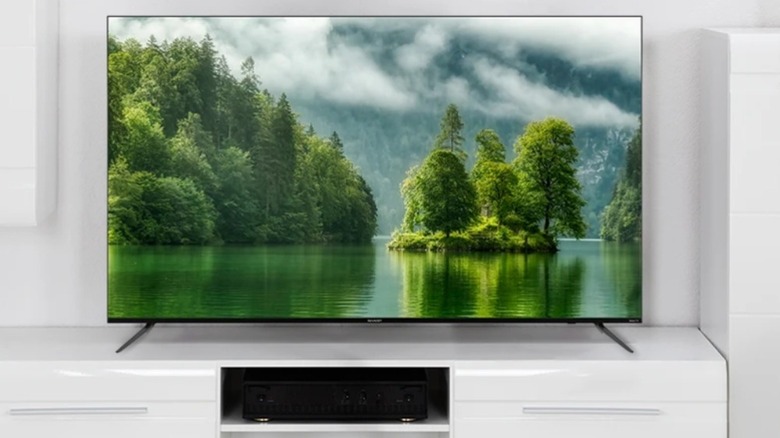
Sharp is a big name in consumer electronics, with over 100 years of history. After starting out making belt buckles and pencils, the company is now known for making TVs, home appliances, and more. Since 2016, Foxconn has owned a 66% share of Sharp, giving it a majority stake and controlling ownership of the Japanese electronics company. Foxconn hoped to combine its manufacturing and distribution capabilities with Sharp's brand name, making a deal they said was worth 389 billion yen, or around $3.5 billion (U.S.).
At the time, Foxconn executives Terry Gou and J.W. Tai said they were committed to turning around Sharp's financial struggles by investing in research and product development. Their goal was to return the company to its former status as a leader in the consumer electronics field while addressing profitability in the near term. But while early post-acquisition profits were promising, competition from Chinese manufacturers has pushed Sharp out of the TV display production market. In February 2026, Foxconn backed out of a deal to buy a Sharp LCD display plant in Japan, though Sharp president and CEO Masahiro Okitsu has said the companies' relationship is still as strong as ever.
Belkin
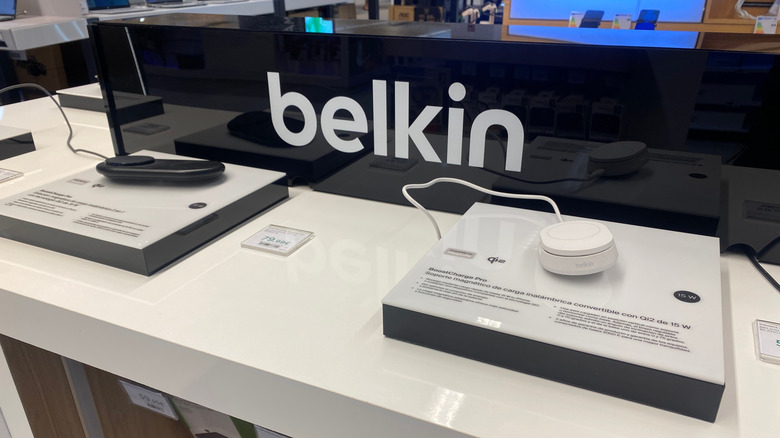
Another big name in consumer electronics, Belkin is known for its computer and mobile phone accessories like chargers, USB hubs, and cases. The company was founded in 1983 by Chet Pipkin, who remained CEO until 2021. Pipkin stayed on through the 2018 Foxconn acquisition, which saw the Taiwanese corporation purchase Belkin for $866 million. At the time, Foxconn hoped the deal would help it branch out into the market for smart home devices, leveraging the inroads Belkin had already made with its consumer devices.
In acquiring Belkin, Foxconn also purchased its subsidiaries. Those include Linksys, acquired by Belkin from Cisco in 2013 for an undisclosed amount. The networking hardware company makes products like mesh Wi-Fi systems that some say are better than regular routers.
Foxconn's ownership of Linksys has opened up the American-founded company (now headquartered in the U.K.) to scrutiny from the U.S. government. In March 2026, the Federal Trade Commission (FCC) banned the sale of new routers made in foreign countries, impacting major players in the industry. While the government has granted an exception to Netgear, an American company, it seems unlikely the same will happen for Linksys, given who its parent company is and where they're based.
SMART Technologies
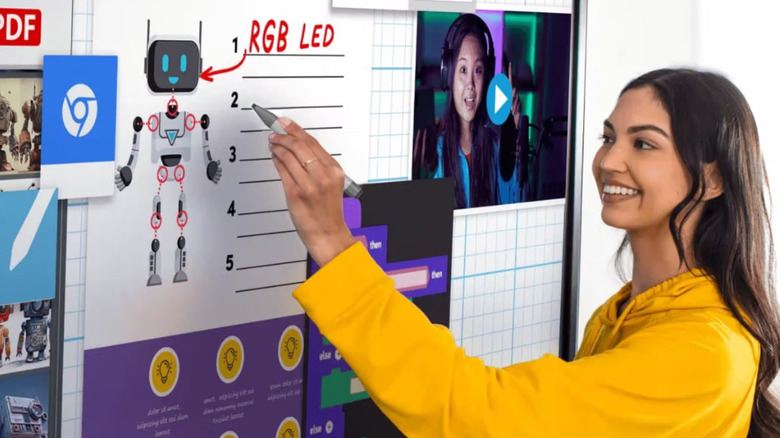
Canadian company SMART Technologies is best known for making interactive whiteboards that are used in schools, businesses, and even government agencies. It was founded in 1987 by David Martin and Nancy Knowlton, a married couple who ran the company until 2012 and left the board in 2014. In 2016, SMART Technologies was acquired by Foxconn for $200 million, which executives hoped at the time would pave the way for new growth and make the company more stable in the long run.
Following the acquisition, SMART Technologies has remained headquartered in Calgary and employs over 600 people in 27 countries. The company continues to make new interactive whiteboards and other educational products, including a cloud-based platform for teachers and students called Lumio. Last year, Lumio added AI tools that allow teachers to quickly generate quizzes, including game-based ones, and lesson plans, implementing new features based on educator feedback. While they do seem a natural fit for a company that's always been focused on applying technological advances to the classroom, SMART Technology's recent focus on AI aligns with Foxconn's extensive work in that field.