

This New Study Has A Theory On How DNA Could Be Designed
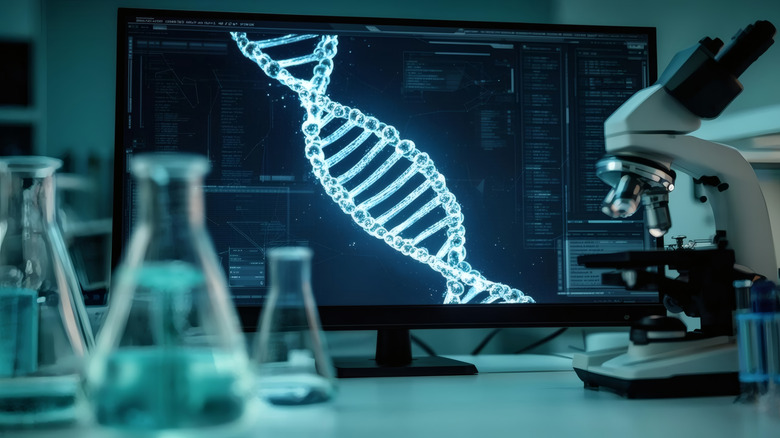
Scientists say they may be able to design DNA without copying it, opening the door for major advancements in biology and biotech. Specific enzymes can sometimes create DNA that strays from a given template — a process called untemplated DNA synthesis or doodling. Scientists have treated doodling as little more than a curiosity since its discovery in the 1960s, but now researchers at the University of Bristol believe they may be able to influence doodling to help design DNA, as reported in a study published in Nature Communications. For decades, scientists relied on enzymes called polymerases to build DNA one nucleotide at a time, following an existing template. However, the study suggests they may not need a template, and doodling can produce DNA strands up to 85,364 nucleotides long. Chemically synthesized strands typically max out at 200 nucleotides, though a recent record from another study topped 1,700 nucleotides.
Scientists have only tested the process in labs, using specific enzymes and carefully tuned conditions to guide doodles. Translating the results into living cells is a different challenge, though. Polymerases will face a living system that wants to eliminate doodles. During the DNA replication process, polymerases check their own work as they go. Mismatched or doodled DNA will be removed almost immediately. Certain proteins also keep DNA creation clamped to a template, making it more difficult to doodle. And there are cell-cycle checkpoints, where a cell can pause the process if replication looks abnormal. Despite the difficulties ahead, the implications of this study could have an incredible impact on our lives.
How doodled DNA could transform medicine
DNA design often relies on trial and error. Scientists work from existing sequences, modifying them and testing what works. The discovery suggests scientists may not have to start with existing DNA to create something new. To be clear, the breakthrough doesn't mean doctors will be able to erase your family's history of colon cancer. And don't expect scientists to doodle new organs, even as other research explores 3D printing inside your body. This discovery is more about moving research forward.
Drug development currently requires a lot of luck. Researchers test thousands of compounds to see what works. If they can control doodling, it could allow them to design DNA sequences more predictably. In theory, that would mean building biological therapies faster, including utilizing gene-editing systems like CRISPR (which another study says might be able to treat cancer), as well as antibodies that can detect and block viruses, dangerous bacteria, and cancer cells. Instead of mass-producing treatments, designed DNA could establish therapies to match your genetic profile, such as drugs that fit your metabolism and immune response, and dosing with fewer side effects.
The biggest advancement could happen outside of your body, though. The study suggests the background noise doodling creates could be filtered out, eliminating false positives in testing. It would make early cancer screenings and infection tests more reliable, potentially stopping diseases before they cause damage. Scientists still have years of research before controlled doodling reaches everyday applications, but the breakthrough pushes DNA research into new territory, much like recent breakthroughs in the creation of artificial DNA.