

High-Tech Thieves Can Steal Your Car Without Keys (Or Breaking A Window)
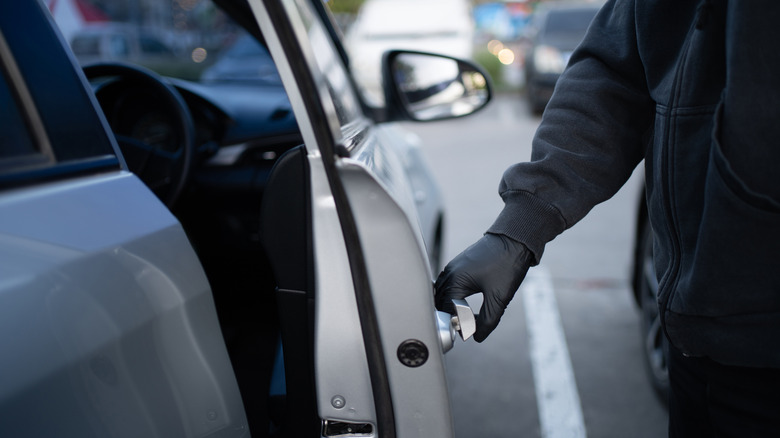
Parts of the plot in "Gone in 60 Seconds" might be nonsensical and about as over-the-top as it gets, but the title is a bit telling. High-tech thieves, operating a car theft operation in several states, actually have a method to steal cars in less than a minute without keys, breaking windows, or hot wiring. Instead, they use an electronic device akin to an OBD-II scanner from Autel, interfacing with the vehicle's computer to program a blank key fob.
This information was made available when Jeanine Pirro, the U.S. Attorney for the District of Columbia, publicly announced a 15-count federal indictment of the thieves (via KATV). These crews operated in Maryland, Pennsylvania, and Washington D.C., stealing a wide variety of vehicles to sell on international black markets. They targeted high-end sports cars like Corvettes and Camaros, as well as incredibly popular vehicles too, like the Honda Civic.
What's most interesting about this method is that there aren't many protections available against such a thing. Wrapping your car keys with aluminum foil might prevent thieves trying to steal your car when you use your regular key fob, through something called relay theft, but the Autel tool method is easily available and allows thieves to create their own access keys. Once the vehicles are successfully stolen, they disable the GPS, Bluetooth, or tracking tech, swap the license plates, and eventually, ship them via transport carriers at compromised ports.
What kind of tool are the thieves using, exactly?
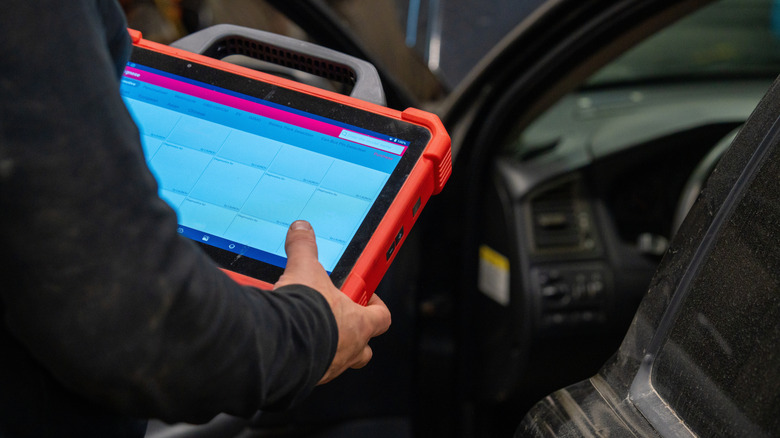
This "Autel" tool sounds like something out of a James Bond flick, but it's a car diagnostic scanner, a common tool for vehicle troubleshooting and repairs. They're super helpful if you're doing any repairs yourself. They plug into a standard port available in nearly all vehicles called the OBD-II or OBD2 port and come in a wide variety of designs, from handheld devices to tablets with more advanced features.
Generally, you use them to read error and information codes shared by the vehicle's computer to figure out when a part or major system has malfunctioned. They can also do things like clear those codes, reset or interact with other systems, like checking or testing emissions systems, and much more. Autel's devices, particularly the MaxilM series, like the MaxiIM IM508S and IM608 II include key programming functions for modern vehicles, which is helpful for locksmiths, mechanics, and dealerships.
The thieves are merely repurposing legitimate tools and technologies to steal vehicles. Despite several news outlets inaccurately referring to the tool simply as an "Autel," that's just one brand. There are many other companies that make tools like this, including Innova and Foxwell. The method is undoubtedly smart and sophisticated, and the speed with which the thieves can do it all is frightening. Blink and your car's gone. But in reality this is not some super high-level hack or specialized device. Autel's MaxilM series can be purchased at various retailers for up to $1,400.
Some EVs don't have OBD2 ports
Some EVs don't have a traditional OBD2 port. They might still have a diagnostic port that's similar, for use with scanning tools, but the ODB2 standard was originally created to address emissions systems and emissions checks. Since EVs don't produce emissions, there's really no need for such a port. That could potentially be why there are several EVs that are the least likely to be stolen in the U.S., alongside their robust security systems. EVs without the standardized port would be immune to these types of attacks until tools are made to interface with them.
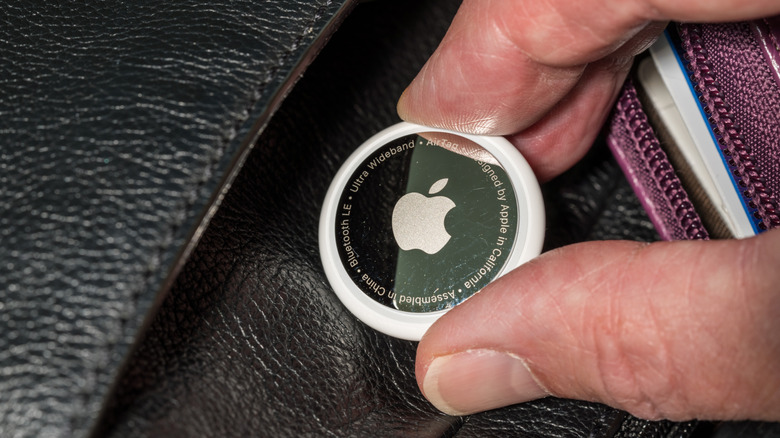
If your car does have an OBD2 port, there may not be much in the way of defense, but you can still protect your vehicle with a relatively accessible gadget. Install or place a GPS tracking device separately from what might be offered by the manufacturer or integrated into the vehicle's systems. Colorado police went as far as to hand out Apple AirTags to combat car thefts in their local area.
Tile trackers also work — and were also given away by police. They allow resourceful users to trace and identify their vehicles in the event they're stolen. These tracking tools are quite small, so they're easy to conceal or hide inside the vehicle. You can't stop the theft, but you can ensure your vehicle stays safe after the fact, and that it's easily located, provided the thieves don't find and dispose of the tags.