

Google Pixel Users Rejoice - Beta Code Hints At A Fix You Have Wanted For Years

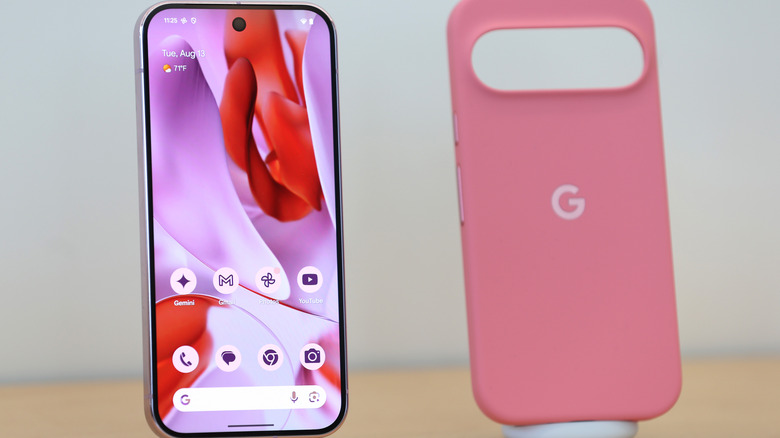
Pixel phones are the closest thing to iPhones in the Android realm. They're made by the same company that designs the operating system, and they run a relatively clean version of Android, as envisioned by Google. Like iPhones, Pixel phones are the first to receive software updates, as Google controls the OS rollout. While Google has been refining the Android experience and appearance for its Pixel phones over the years, Pixel phones still get some criticism from longtime users, including a complaint about the home screen experience. Pixel owners can customize the look of their devices, but one user interface element can't be changed: the Google search bar. Whether you need it or not, the search bar is always there, a reminder of Google's emphasis on mobile search. But Google may finally let users disable the search bar from the main home screen in a future Android update.
Google has not announced the design change, but Android Authority has discovered code related to the Pixel Launcher in Android 17 QPR1 beta 2 that indicates users might be able to hide the Google Search bar on Pixel phones. The blog also created a mockup of the interface that Android 17 may offer users, showing a simple toggle in a Search bar settings menu that would let users remove the Google search bar from the bottom of the home screen.
Why does Google need the search bar on Android?
One major purpose of Android was to give Google a stronghold over the post-PC era market, when most internet searches would come from mobile devices. Android was the investment that allowed Google to control one of the major mobile operating systems and position its Google Search features prominently on mobile devices. A lot has changed since the early days of the iPhone and Android OS. Apple and Google are the dominant players in consumer mobile operating systems, but Google is still making most of its money from ads. In 2025, Google parent Alphabet reported $294.7 billion in Google advertising revenue, double the $146.9 billion figure reported in 2020. The "Google Search and other" category accounted for over $224 billion in 2025.
Alphabet's financials do not explain how much money Google makes from mobile searches, but the company singled out "growth in user adoption and usage on mobile devices" as one of the factors driving revenue growth. The permanent Google search bar on Pixel devices is one small part of that broader search ecosystem. Its contribution to Google ad revenue is not quantifiable considering the available data. But, to put things in perspective, Google was paying about $20 billion to Apple in 2022 for Google Search to become the default search engine on iPhone. That figure amounted to about 36% of Google's search advertising earnings coming from Safari on iPhone, which means Google was bringing in about $56 billion in ad revenue from the iPhone. Alphabet reported $224.5 billion in total Google advertising revenue in 2022.
Why is Google ready to let Pixel users eliminate the search bar?
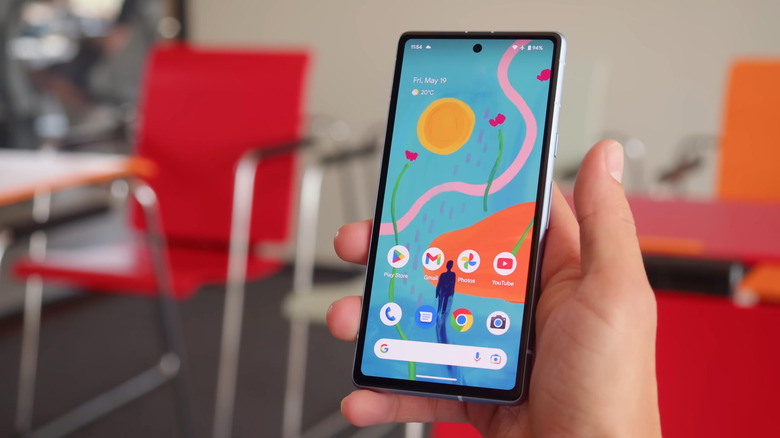
Google giving users the option to remove the Google search bar doesn't mean the search revenue from Pixel phones isn't important or the company doesn't need users to keep using Google Search. But there are several possible reasons why the search bar placement on the home screen isn't as important as it used to. For starters, users can search the web with Google Search using the Circle to Search feature that even supports AI mode. The Pixel Launcher has another search bar in the app drawer. Also, longtime Pixel users may be used to searching the web directly from Chrome or a different mobile browser, where they might use Google Search for their queries.
More importantly, Google has been improving its Gemini AI model significantly. The Gemini Live feature on Pixel phones lets users talk to the AI by voice, similar to Google Assistant. These voice chats can trigger internet searches that use Google Search tools. Gemini Live doesn't need a dedicated search bar on the bottom of the screen.
There's also the fact that Google may be responding to user demand. Given the evolution in AI and online search, it may be ready to offer Pixel buyers this additional screen customization option that will not go unnoticed. That's all speculation, however, based on a code snippet in a beta version of Android 17.