

Two Legacy Products Microsoft Is Ending Support For In 2026
Microsoft plans to sunset nearly 70 applications across its product families throughout 2026. That's already begun, with 15 applications shuttered as of January 13, 2026, according to Microsoft's own materials. A lot of these you might never come across unless you're actively in the IT industry, managing many different aspects of a Windows-based workplace.
So far, Microsoft has sent to its ever-growing graveyard of products software like Advanced Threat Analytics, which was planned for obsolescence since 2020. This has been succeeded by the cloud-based Azure Advanced Threat Protection. Virtualization software will also see the end of support, as Application Virtualization 5.0 and 5.1 will end service. There are many other smaller applications like this that are only really used by those deep within the bowels of an IT department, such as SQL Server and Project Server 2016.
For mainstream users, the key point is that this will be the most recommended time to update your Windows 11 systems. Among the end-of-support are two Windows 11 versions, as well as Microsoft's final stand against holdouts for those not yet moved over to the Office successor, Microsoft 365.
Windows 11 SE
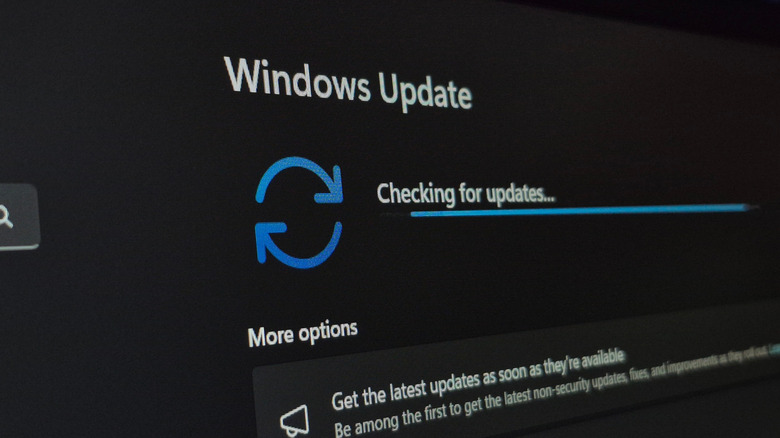
Windows 11's entire existence has been about trying to drag users to where Microsoft is. Between rejected CoPilot integrations and regular issues with updates, it's no surprise Microsoft is cutting off older iterations from support. If you still have a PC with versions 23H2 (October 31, 2023) or 24H2 (October 1, 2024), it's time to update, as these editions of Windows 11 will no longer be supported, leaving you vulnerable to potential malicious actors.
Part of this includes removing Windows 11's "SE" edition, a version intended to compete with Google's ChromeOS and Chromebooks in the educational sector. A specific Surface SE laptop was released at $250, but it's unlikely to see any successor. Microsoft confirmed in 2025 that it wouldn't provide any further updates to the operating system and even recommended "transitioning to a device" that supports the latest editions of Windows.
Windows 11 SE is another failed attempt by Microsoft to make inroads into the lightweight operating system ring. It still supports "S Mode" on Windows 11, which was introduced to lock down systems to only support Microsoft Store apps in a managed environment. Windows on ARM was also a mess, frankly, until recent updates in the last couple of years, as the company partnered with Qualcomm to produce ARM-based Surface devices.
Microsoft Publisher
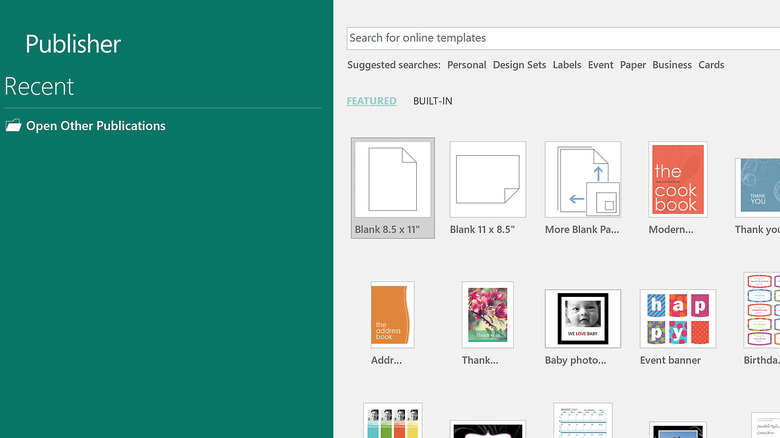
Microsoft is also removing Publisher from its productivity suite entirely on October 13, 2026. Originally introduced in 1991, Publisher has long been Microsoft's graphic design tool for, well, publishing. It was notably left behind in 2007's Office release, as it didn't get the "ribbon" toolbar until 2010.
As with the rest of Office 2021, Publisher and its LTSC status will be retired. However, this also includes Publisher 2024, as it won't be returning for any future iterations on the software suite. For those who still use Publisher, there are also free online options to pick up and use your original .pub files from Microsoft's program. A top recommended alternative is Scribus, which is open source, so you can see exactly how it ticks under the hood.
Unfortunately, the two other top-recommended alternatives are either paid for or now bundled into broader packages. Adobe InDesign is still one of the top-rated desktop publishing apps, but you'll be forced into an Adobe subscription. The other was Affinity Publisher 2, which can still be acquired, but is discontinued and bundled into Canva's free Affinity package, which includes a Photoshop alternative users swear by. This came after the team behind Affinity, Serif, was acquired in 2024.