

'80s Sci-Fi Movies You've Probably Never Watched (But Absolutely Should)
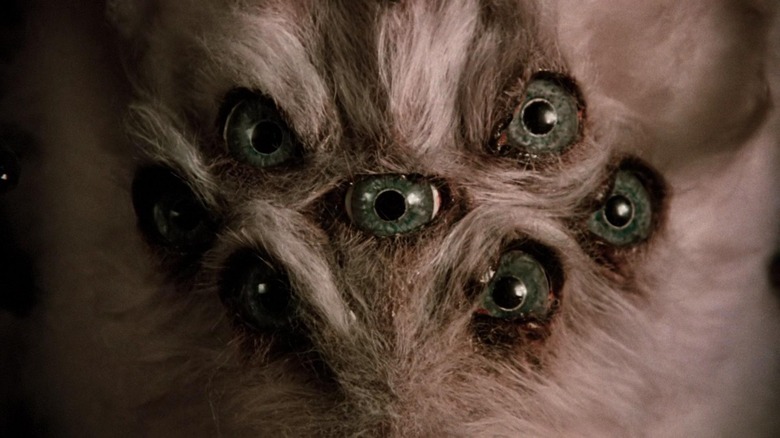
The 1980s gave science fiction fans some of the genre's most iconic films, with classic sci-fi romps like "The Terminator," "E.T. the Extra-Terrestrial," "Star Trek 2: The Wrath of Khan," and "The Road Warrior," just to name a few. With such an abundance of classics, it's understandable that more than a few sci-fi films from the decade ended up flying under the radar. Many of these almost-forgotten sci-fi flicks from the '80s are definitely worth watching if you haven't gotten around to seeing them.
All the movies here represent different sci-fi sub-genres. Along with being entertaining, they also illustrate how expansive, diverse, and versatile sci-fi cinema can be. In addition, without ever getting bogged down in preachiness or tedium, they often address real-world issues through the lens of fantastic storytelling. The fact that most of them are fun to watch (or, when not fun, at least engaging) is almost an added bonus.
Altered States (1980)
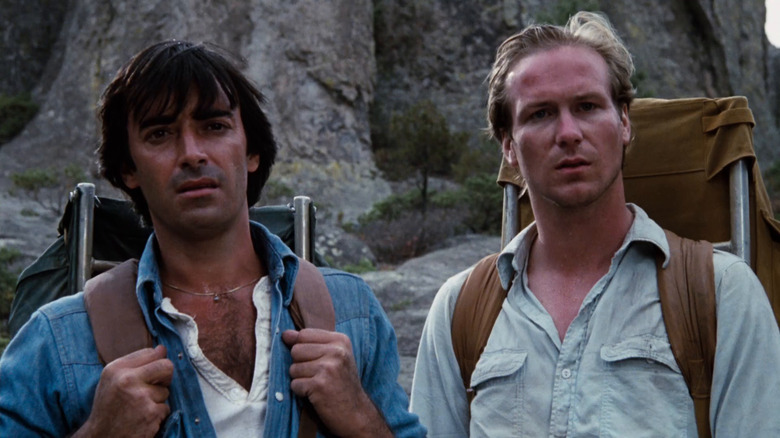
1980's "Altered States" (starring the late, great William Hurt) takes the classic sci-fi lesson, "Be careful with your scientific experiments!", and applies it to the world of psychedelics. In the film, whose script and source novel were inspired by real scientific studies, Hurt explores the depths of his own subconscious in a sensory-deprivation tank while under the influence of hallucinogens. As his experiments progress, the visions and "altered states" he experiences in the sensory deprivation tank begin to manifest in the real world.
There's a reason this somewhat lesser-known science fiction film has earned a spot in the prestigious Criterion Collection. Although the special effects are somewhat dated, the imagery during the psychedelic trip sequences taps into subconscious symbolism and religious themes, making for a visually stunning experience. In the meantime, a few body-horror sequences ensure the movie makes the most of its genre, offering genuine thrills and chills in equal measure. "Altered States" also stands the test of time because, like so many great works of sci-fi, it tackles some weighty ideas. This story of a curious scientist venturing to the boundaries of reality asks, among other questions, "What is reality, anyway?"
Trancers (1984)
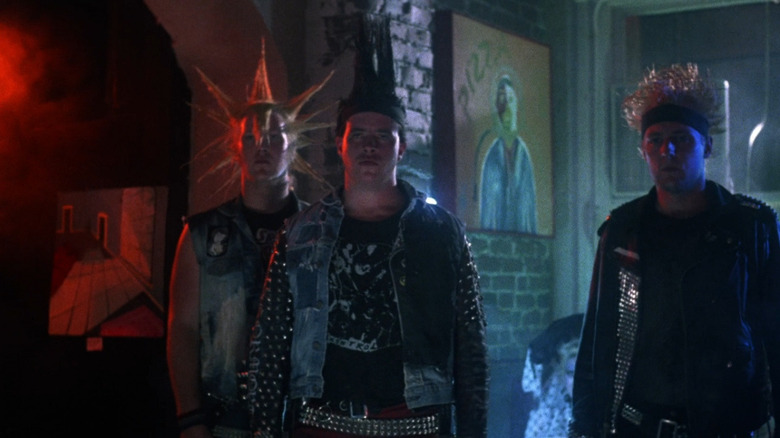
"Altered States" leans firmly in the direction of "hard sci-fi," at least in terms of concept if not execution. "Trancers," the first entry in what would become a minor franchise, embodies the B-movie side of the genre. However, that's not to say it doesn't have interesting ideas of its own.
"Trancers" is one of the numerous 1980s sci-fi flicks that deal with time travel. Its take on the familiar trope is wholly original: to travel back in time, characters take a drug that, rather than transporting their body to the past, transports their consciousness to the body of an ancestor. The film follows a retired cop in 23rd-century Los Angeles named Jack Deth (really), who uses this particular time-travel method to follow a criminal lunatic named Martin Whistler back to 1985 to stop him from using his psychic powers to turn victims into "trancers" who obey his every evil whim.
If that sounds like a "so bad it's good" premise, be aware that "Trancers" currently has a 89% score on Rotten Tomatoes. It's also a prime example of the way sci-fi can borrow from other genres to add flavor and texture to an imagined world. Specifically, "Trancers" is in many ways a Philip Marlowe detective story in sci-fi clothing, grounding what could otherwise be a schlocky flick in noir-ish character work.
Threads (1984)
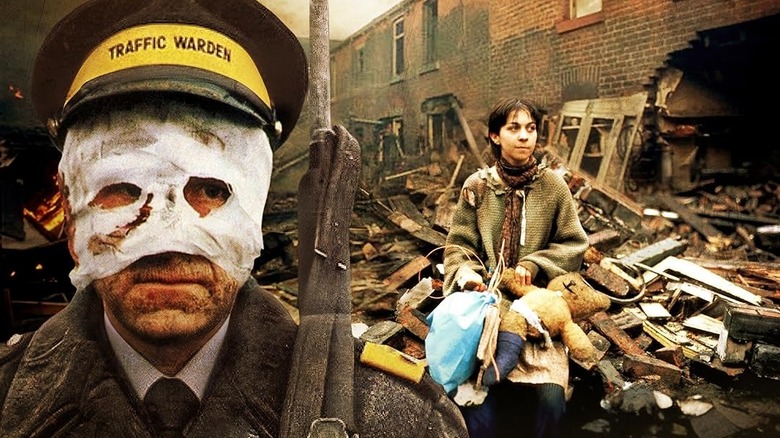
1984's "Threads" is about as terrifyingly real as science fiction movies can be. Although some might argue it doesn't even belong in the genre, its engagement with common sci-fi themes (like nuclear disaster) earns it a spot on this list. However, potential viewers should be warned that they're in for a remarkably sobering experience.
"Threads" is a television movie offering an almost painfully realistic account of what might happen to everyday people and society in general should nuclear war ever occur. While the film's depictions of the initial nuclear destruction are vivid and shocking (given the TV-movie budget), "Threads" gets truly horrifying when it shows how quickly and easily civilization breaks down following a nuclear skirmish. As survivors in Britain face such horrors as radiation sickness, food shortages, and the destruction of crucial infrastructure, the world around them swiftly returns to the Dark Ages.
"Threads" highlights sci-fi's ability to convey a message. Just as Rod Serling did with "The Twilight Zone" and Gene Roddenberry did with "Star Trek," the filmmakers behind "Threads" used a fictional story to spark a serious conversation. "Threads" may be tough viewing, but that's the point: Where the news may be flat and academic, sci-fi can explore the horrors of nuclear combat in unforgettable detail.
The Brother from Another Planet (1984)
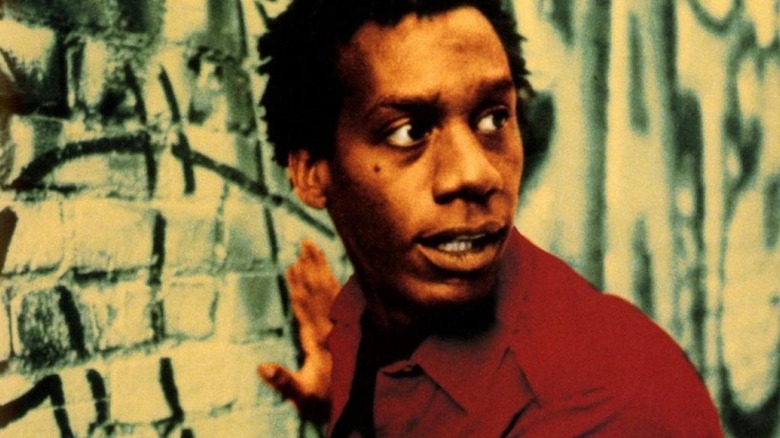
This 1984 micro-budget picture from John Sayles proves that sci-fi movies, even those from the decade-long special effects extravaganza that was the 1980s, don't have to feature lasers and explosions to be memorable. The titular "Brother" of the film is Joe Morton, playing an alien being who crash-lands on Ellis Island. Although the Brother is otherwise mute, he possesses various psychic powers that he deploys throughout interactions with iconic NYC characters, some of whom highlight the continuation of unofficial racial segregation.
One of the film's numerous plot points involves white-skinned aliens from the Brothers' home planet hunting him down. Naturally, the picture addresses topics such as racism. However, that's not the extent of its cultural curiosity. "The Brother from Another Planet" is also noteworthy as a sci-fi depiction of the immigrant experience in the U.S. Give it a watch if you appreciate your 1980s science fiction with a side of humor and social commentary.
The Fly 2 (1989)
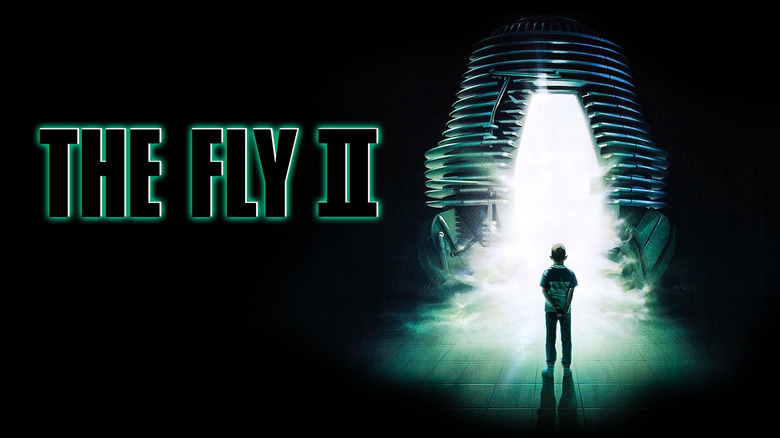
David Cronenberg's "The Fly" is an example of a sci-fi remake that rivals its source material. While Cronenberg's film is widely recognized as an icon of '80s science fiction and body horror, its sequel also deserves attention. "The Fly 2" may not be a masterpiece in the way its predecessor was, but that doesn't mean there's nothing to recommend about this follow-up flick.
"The Fly" was interested in using its extremely campy concept (a brilliant scientist accidentally blends his DNA with that of a fly during a teleportation experiment) to address fears of aging and illness. The sequel mainly uses the idea as an excuse to indulge in pre-CGI '80s creature effects and gore. It may not be high cinema, but it offers a good time for viewers who want to shut off their brains after seeing Cronenberg's take on the material. Plus, it's not devoid of themes, with much of the story highlighting corporate greed at the expense of human compassion.
These are just a few examples of sci-fi films that are easy to miss simply because they come from an era when so many classics of the genre made their mark. The fact that we don't remember them as well as, say, "Aliens," doesn't mean they don't deserve attention. To the contrary, whether you're a fan of science fiction social commentary or you simply like creature-feature gore, these titles offer plenty to admire.