

3 Ways To Get The Most Out Of Spatial Audio
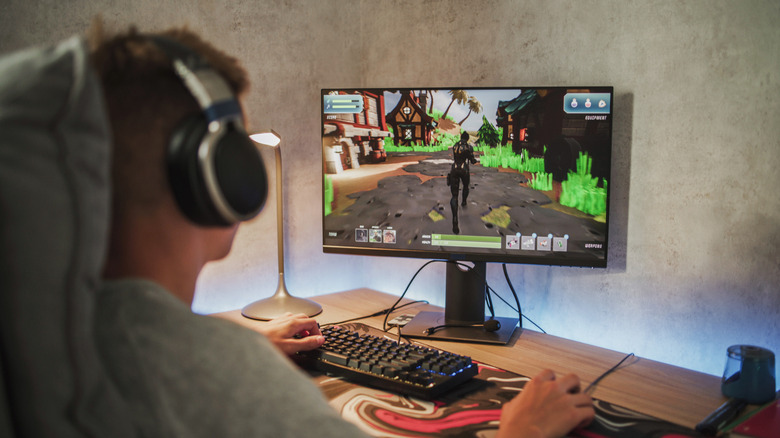
Headphones can technically only deliver sounds via two channels: the left and the right. However, spatial audio technology can generate the illusion that sounds are coming from various directions, as they might in the real world. This can be ideal for purposes like gaming. It's simply important to understand how to optimize spatial audio to get the most out of this tech.
One way to optimize spatial audio is to experiment with it in different contexts. Along with gaming, spatial audio can be perfect for virtual reality (when it's available), as it can make a virtual experience feel even more real. Spatial audio can also make you feel like you're inhabiting the world of a film. On the other hand, as you'll discover, spatial audio isn't necessarily always the right option for fine-tuning your music-listening experience. While this is generally a remarkable new technology, you need to know how to take full advantage of it — and when it may not be worth using — to understand its value.
Only use one spatial audio processor
Spatial audio technology can take a variety of forms, including software implementations. For example, Windows users can turn on Windows Sonic, a free application offering spatial audio for headphones. Another option is Dolby Atmos, which is available as a subscription, while also being available directly via various devices, like certain TVs and soundbars. Similarly, various headphones claim to offer spatial audio, although the quality can vary from one unit to another.
Regardless, it's important to stick to one system when choosing how to experience spatial audio. For example, if you've bought a set of headphones that are meant to deliver spatial audio effects, don't use them in conjunction with spatial audio software. While you might think that stacking multiple spatial audio systems on top of one another will enhance the effect, it's actually more likely to result in what you're listening to sounding muddled.
It's also critical to do your research when considering spatial audio tech options. Not all spatial audio headphones and systems are created equal. You want to be confident you're spending money on a set of headphones (or other equipment or software) that will actually deliver the quality you expect from this tech.
Don't (necessarily) use spatial audio all the time
Spatial audio is one of those innovations that serves certain purposes very well. In competitive gaming, for example, depending on factors like a game's audio engine, spatial audio can potentially help gamers hear footsteps approaching from behind them, letting them be more reactive to potential threats. In general, spatial audio benefits gaming and movies by offering a more immersive experience.
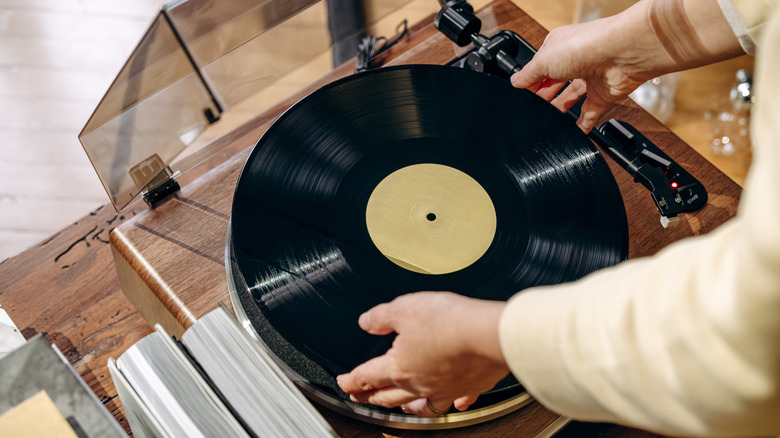
On the other hand, some listeners find that spatial audio isn't as impressive when listening to music. This is partially due to the fact that the technology can actually misrepresent how music is typically recorded. Thus, it sometimes offers a less-than-authentic experience to an audiophile. In a real studio, for instance, musicians would likely be playing from certain standard positions in the space. If you were in the studio listening to a band, all members would essentially be in front of you. As such, you expect music tracks to sound accordingly. While spatial audio, which can make music sound like the musicians and individual tracks and instruments are coming from various directions, might offer some novelty, it's not necessarily ideal for purists.
Some listeners also find that the degree to which spatial audio does or doesn't benefit a song can vary significantly on a track-by-track basis. For example, Apple Music Spatial Audio with Dolby Atmos sometimes reinvigorates a track, while in other instances it can result in a song sounding like a cheap karaoke recording. As you experiment with this technology, you'll get a better sense of how to use it, like when to turn Dolby Atmos audio off.
Experiment with other sound options and settings

As users discussing spatial audio in the Reddit community /r/headphones point out, in a gaming context, the audio quality of the game itself can influence how much spatial audio does or doesn't affect gameplay. They also note that leveraging spatial audio to its full potential for some games may require adjusting the various audio settings of the games themselves. If a game gives you the freedom to tweak the audio settings or choose different audio mixes, see if doing so improves the sound quality.
The same goes for other content you might be listening to with spatial audio, such as movies and music. While spatial audio can level up certain audio experiences, it's by no means a magic bullet. As mentioned earlier, it may sometimes detract from the audio quality. Even in situations when spatial audio is appropriate, it may still be necessary to adjust the audio settings of the content itself to make the most of your sound quality.
Just remember that this is all essentially subjective. The recommendations here can certainly help you take your listening experience to new heights (and lows, and lefts, and rights, and all other directions, etc.) with spatial audio. In the end, though, what matters most is what sounds good to your ears.