

Why Some Phone Manufacturers Stopped Using Gorilla Glass
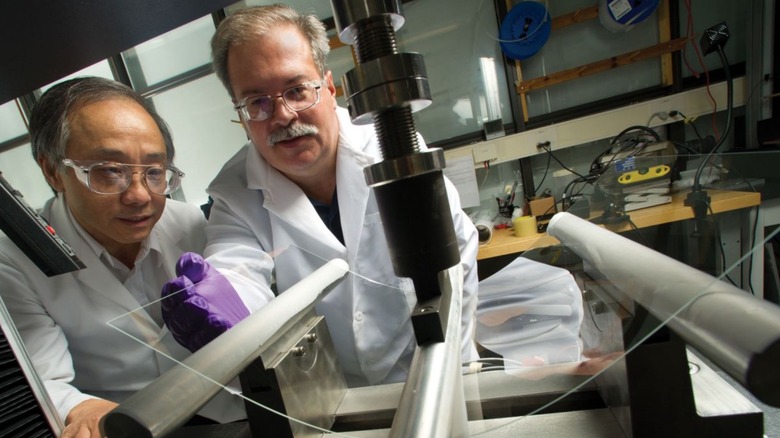
Ever wonder how you can carry a smartphone in your pocket or bag all day without the screen getting scratched from regular wear and tear? In many cases, the screen of a phone or similar device is made from a Corning product called Gorilla Glass. With how durable the latest generations of Gorilla Glass are, there's an argument to be made that smartphone screen protectors aren't even necessary anymore. However, as Android Authority recently covered, several phone manufacturers have begun moving away from Gorilla Glass in favor of using their own in-house alternatives.
It's easy to assume that companies like Honor, Huawei, and Xiaomi are trying to save money by using products they develop themselves instead of the relatively pricey Gorilla Glass. However, based on comments made by representatives of these companies, there may be other explanations. In at least some instances, it's genuinely possible that Gorilla Glass simply fails to serve the needs of these manufacturers.
While many still use Gorilla Glass, others develop in-house solutions
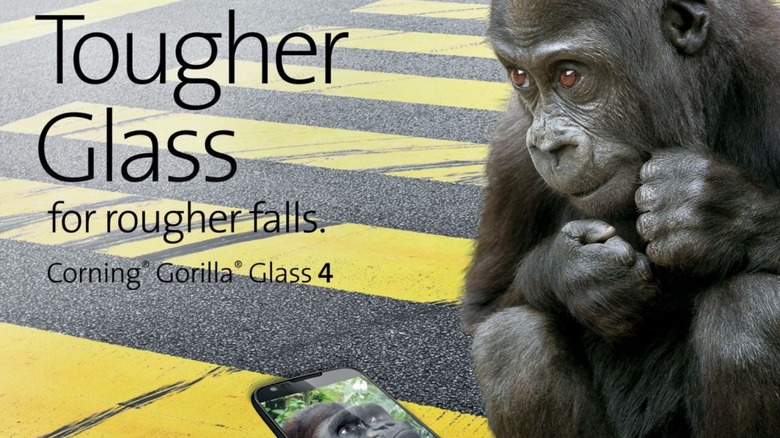
Corning's own list of products still using Gorilla Glass indicates that major tech manufacturers haven't all abandoned the product. It remains a popular option for smartphones from major companies like Samsung, Google, Motorola, Nokia, and various others. It's also worth noting that, for the past several years, Apple has been using Ceramic Shield glass. While this isn't technically the same as Gorilla Glass, it is another Corning product.
Companies that have stopped using Gorilla Glass have given various reasons for doing so in their statements to Android Authority. For instance, Honor's statement indicates it was considering using Gorilla Glass in some of its products, but Corning didn't offer the ideal solution for the company's needs. This forced the company to develop its own solution: "In 2021, the industry lacked a suitable glass-ceramic solution for curved-screen smartphones, forcing Honor to invest in glass-ceramic technology research. The first-generation technology was applied to the Honor Magic 3 Pro Plus in 2021, and in 2024, the Honor Magic 6 featured Honor's next-generation glass-ceramic technology, Honor NanoCrystal Shield."
Honor's statement goes on to indicate the company will still use "Corning Gorilla Glass or other third-party solutions" for devices in its Number and X series. Per Honor, "Due to the significantly higher cost of glass-ceramic compared to traditional strengthened glass like Gorilla Glass, Honor only adopts its own branded solutions in its flagship Magic series to enhance screen durability and meet the lightweight and thinness requirements of the foldable phone series."
It remains unclear whether alternatives are superior to Gorilla Glass
Honor's statement suggests that saving money isn't the company's key reason for not using Gorilla Glass in its Magic series of devices. Similarly, Xiaomi explained to Android Authority that it's not saying goodbye to Gorilla Glass entirely. While the company plans to keep using Gorilla Glass in certain budget phones, for models like the Xiaomi 15 Ultra, it's opting for its own Shield Glass and Shield Glass 2.0. Xiaomi provided Android Authority with a statement saying its goal in using its own solutions is to provide "the best possible user experience by carefully selecting materials that optimize both durability and performance."
To varying degrees, companies choosing not to use Gorilla Glass state that their own alternatives may offer better scratch resistance and other such key features. However, objective tests have yet to confirm these claims. For what it's worth, informal tests have shown that Corning products like Gorilla Armor aren't necessarily invulnerable to damage when phones featuring these products are dropped.
These types of technical details may not seem to matter much to the average consumer. Generally, though, it's wise to pay attention to the materials a company uses when selecting a new smartphone or other such device. Depending on your lifestyle and usage, you want to be confident your investment will stay in good condition for as long as possible. Consumers will have to wait and see how alternatives to Gorilla Glass deliver on this front.