

One Of Apple's Best iPhone Features Is Actually Made By Samsung
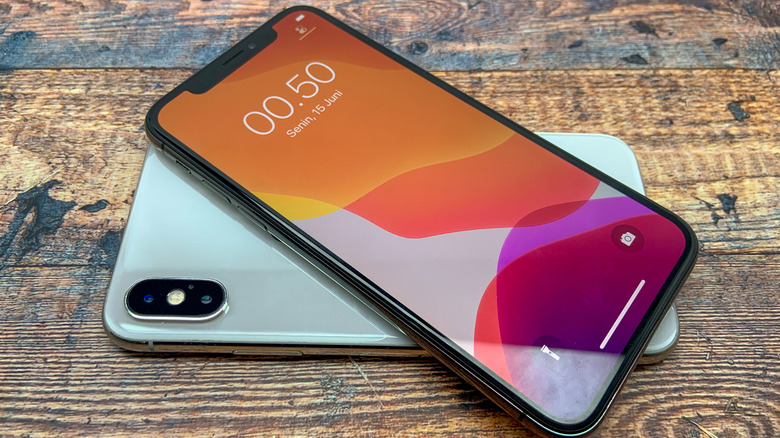
The display of the iPhone you may be using to read these words is regarded as one of the best in the mobile industry. The screen is one of the handset's standout features and an expensive component built to meet Apple's precise quality requirements. It's the OLED screen that can offer vivid colors, a dynamic refresh rate that can range between 1 Hz and 120 Hz, and even always-on functionality, depending on the iPhone model. While Apple creates some of the key iPhone components, like the processor and some of the modems, the screen comes from third-party suppliers — including one of its biggest rivals, Samsung, which routinely gets the lion's share of iPhone OLED orders. Technically, it's Samsung Display, a Samsung subsidiary that manufactures the OLED screens, not Samsung Mobile, the company that makes Android flagship phones like the Galaxy S26 series. In addition, LG Display and BOE are the other two OLED panel suppliers for the iPhone, though the latter has experienced quality issues that prevented the Chinese vendor from winning more orders.
Apple's strategy to order parts from one of its biggest rivals may seem surprising, but that's simply how the company operates. Apple designs the iPhone in California, but the company doesn't use off-the-shelf parts from suppliers. It orders the customized components at a scale that gives it leverage with component makers. Apple routinely sells over 200 million iPhones a year, so its business is highly coveted by various companies, Samsung Display included.
Because Apple aims to offer a premium iPhone experience, the company will pay for more expensive components, including the latest generation of OLED screen technology that Samsung Display can offer. That's why iPhone flagships may offer a newer generation of OLED panels than the same-year Galaxy S models from Samsung Mobile.
Apple's long history with Samsung displays
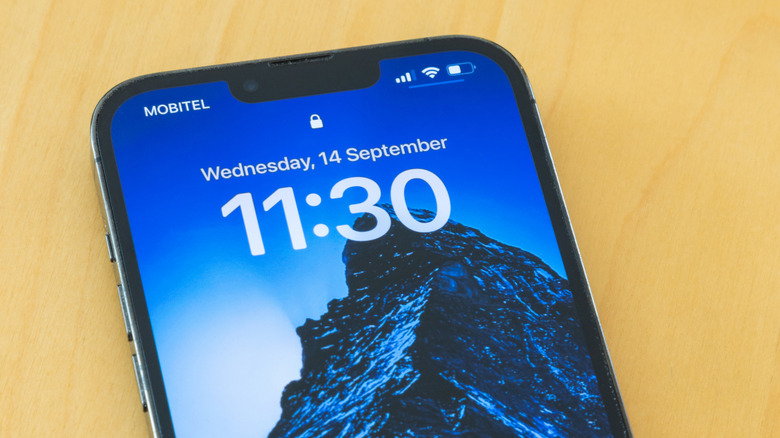
The first iPhone to use an OLED panel was the tenth-anniversary model launched in 2017, the iPhone X. The device featured a nearly bezel-less display, with the OLED panel occupying almost the entire front side, save for the Face ID cutout at the top (the notch). Samsung Display made the flexible OLED panels that Apple needed for that iPhone model, with Apple calling the panel "the first OLED screen that rises to the standards of iPhone." That implied earlier OLED panels, or the ones available on Android devices, were not sufficient for Apple's needs. Apple also hinted that the OLED experience was customized for the iPhone, saying the iPhone X panel featured "stunning colors, true blacks, a million-to-one contrast ratio, and wide color support with the best system-wide color management in a smartphone."
Apple needed three more years to bring OLED panels to every model in a single iPhone lineup, with the four iPhone 12 models featuring OLED screens. By then, LG Display and BOE had also started making OLED screens that matched Apple's requirements. Apple pursued this supply diversification strategy to increase overall OLED panel manufacturing so it could equip more devices with OLED screens and reduce the component's price. An iPhone X OLED panel could cost about $110, while the iPhone 12 OLED screen may have cost about $70. The iPhone 13 series brought the first LTPO OLED panels that could support ProMotion refresh rate (120 Hz), but only the Pro models offered the feature. A year later, the iPhone 14 Pro models introduced support for always-on functionality.
OLED technology continued to mature in the following years, with the iPhone 17 series being the first iPhone family to offer ProMotion and always-on screens across the board.
The best display in the industry
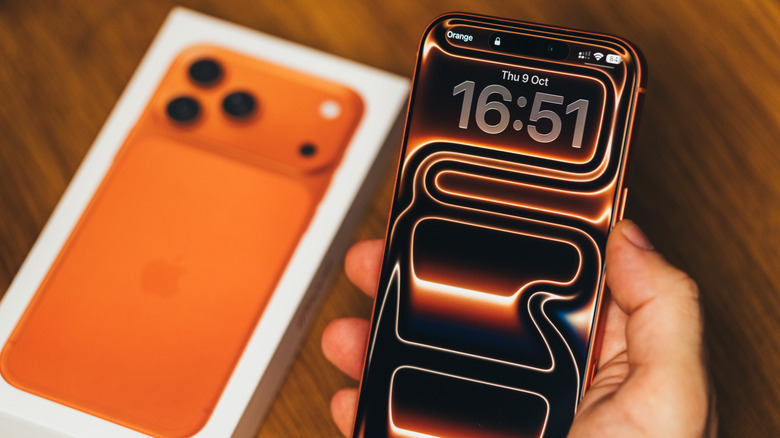
Display reviews have shown over the years that the newest iPhones have featured the best possible OLED screens, thanks to both Samsung's experience in manufacturing high-end OLED panels for mobile devices and Apple's software customizations, which include color management, factory calibration, and burn-in prevention tools. Reviews analyzing the Galaxy S displays released after the latest iPhones have also highlighted the OLED panels' high-end features, in a seemingly never-ending cat-and-mouse game over the best smartphone displays. But in some years, like 2024, when Apple released the iPhone 16 series, Apple used Samsung Display's newest OLED material (M14 set on the Pros), while the Galaxy S24 Ultra featured the older M13 set. Last year, the iPhone 17 used the M14 material across the board. The Galaxy S25 Ultra released in 2025 stayed on the M13 set, with Samsung Mobile catching on to the M14 material only with the Galaxy S26 Ultra.
Samsung has a direct incentive for Samsung Display to sell as many expensive OLED panels to Apple as possible, even if that may seem counterintuitive: profits. Apple's OLED panel orders amount to tens of millions of units. For example, UBI Research estimates showed last year that Samsung Display supplied about 57 million OLED panels out of the initial 89 million iPhone 17 series production run. LG Display supplied 30 million, and BOE only reached 1.3 million. Secondly, Apple is also a customer for OLED panels for other devices. Samsung Display supplied some of the Tandem OLED displays in the M4 iPad Pro and M5 iPad Pro released in recent years. The Korean company is also expected to be the exclusive supplier of foldable screens for the iPhone Fold this year, a device that's expected to feature a nearly creaseless display.