

Why Did Samsung Get Rid Of 10x Zoom On Galaxy Phones?
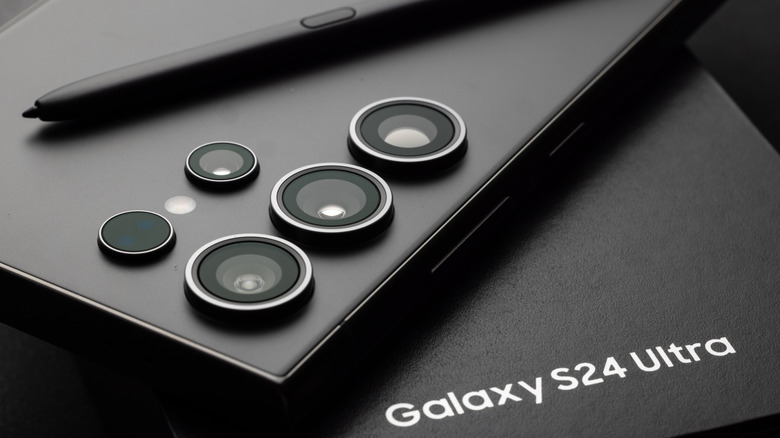
When Samsung introduced the world to the Galaxy S24 series of phones in January 2024, it was marked by a significant change to a popular feature on its camera system. The 10x optical and hybrid 100x "Space Zoom" feature had been replaced by a 5x zoom, and in 2026, Samsung has not brought these features back. It was a curious change that had been marketed as a key feature since the launch of the S20 that set it apart from its rivals. One could be forgiven for seeing the change as a significant downgrade.
Samsung had stuck with the 10x optical zoom feature for four years, featuring on the S21, S22, and S23. Even though it was generally considered to be a good camera, it came with its fair share of controversy. Users started noticing incredibly detailed photos of the moon being produced at 100x hybrid zoom, and accused Samsung of superimposing pre-stored reference photos of the moon onto newly taken shots. Samsung eventually addressed the concerns in a 2021 blog post by detailing the process its AI technology was using to generate these photos, but it was debatable whether this settled the issue or not.
Before the S24 launched, rumors of a change to this camera's optical zoom started spreading. This was confirmed when the S24 was released, and even though there was initial skepticism around the change, it proved to be less problematic than expected. The camera produced comparable shots, and in some cases, even surpassed the quality of its predecessor.
Improved sensor, shorter optical zoom
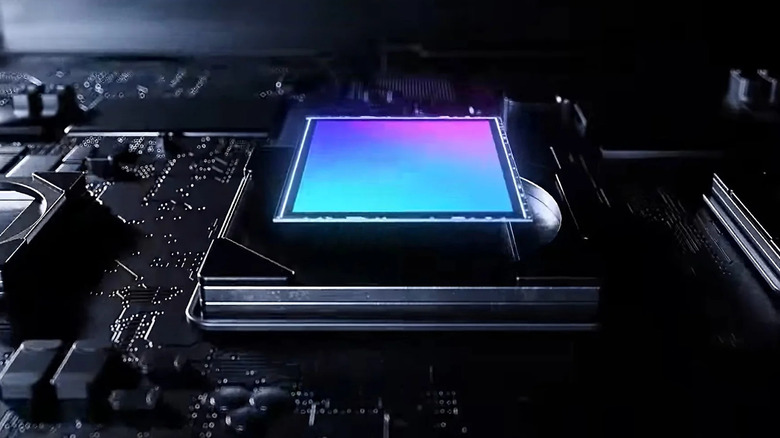
The change in direction was a strategic move to save weight and space, thanks to the introduction of a 50MP sensor and enhanced stabilization. This new array allowed the camera to capture the same quality of image by using a combination of the larger 1.4μm pixel sensor and the 5x optical zoom. Samsung's Galaxy AI feature set headlined the launch of the S24, including the ProVisual Engine that applied AI-based processing to photos, and could improve the quality of images that were taken at 100x zoom. The S24's new telephoto camera also featured an f/3.4 aperture lens compared to the f/4.9 on the S23's camera, improving low-light performance.
Delivering a camera that could compete with the 10x zoom in a smaller format was only part of the story. The decision to move on to the 5x optical zoom was based on real-world usage statistics. Speaking to Android Authority during a media briefing, Samsung detailed some of the reasons behind the switch, and how it was down to user data.
"Looking at customer usage and those zooms (sic) that were being utilized the most. We recognized that 3x and 5x were the most used zooms (sic) of our customers," said Samsung's former smartphone head Blake Gaiser. "So instead of just having that 5x zoom lens, it does have that 50MP sensor in it."
What's next for the Galaxy series?
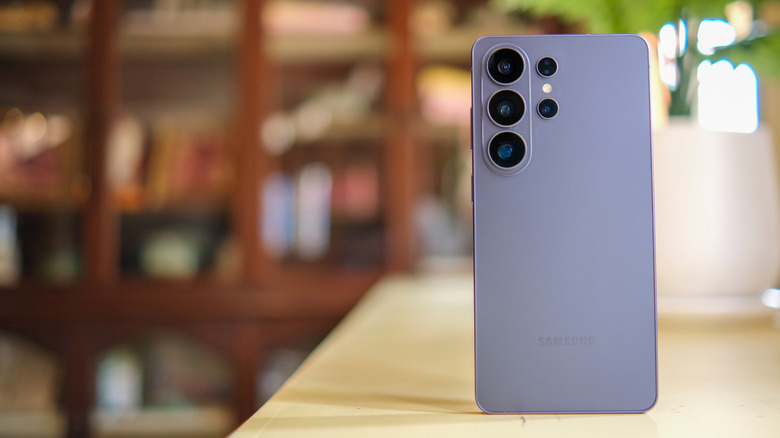
With the Galaxy S26 having launched in 2026 featuring One UI 8.5, with the same 5x zoom setup as the S24 and S25, early rumors have already surfaced in 2025 that Samsung was taking the lead of Chinese brands like Honor and testing 200MP periscope camera setups.
The results from these sensors have largely been positive for the Chinese brands, delivering enhanced telephoto performance even if most of the zoom is derived from the sensor and not the lens. According to Android Headlines, South Korean tech insider "yeux1122" has reported that Samsung may also drop the 3x zoom camera module and re-design the body to accommodate a larger internal battery, while making the phone more lightweight than before.
Samsung is also reportedly considering adding a "Pro" model to its S27 lineup, which will add a fourth option to the S series for users who are after the premium processing power and feature set without the bulk of the Ultra version, much like Apple does with the iPhone Pro and Pro Max.