

Wireless Vs. Wired Security Cameras: Which Is Best For Your Home?
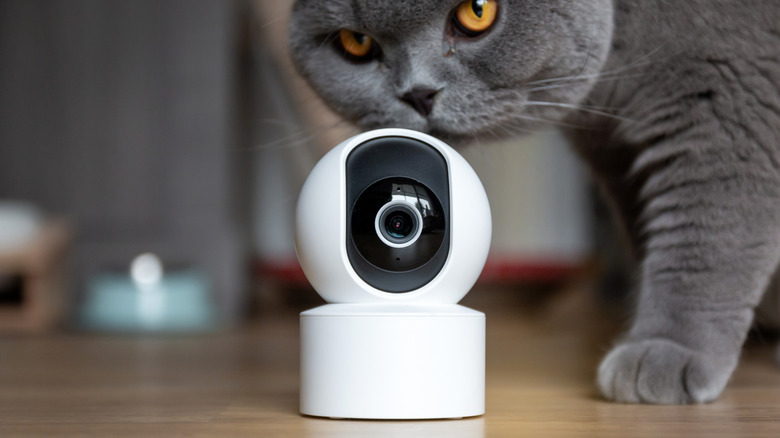
Installing a security camera is an effective but simple way to make your home more secure. Although a camera can theoretically help you identify any wrongdoers who decide to target your property, ideally, the presence of a security camera may deter criminals in the first place. However, you need to choose the right security camera for your goals and needs. That involves making certain key decisions, such as deciding between a wired or wireless security camera.
Each option has its own set of pros and cons. Your goal isn't to find which option is universally ideal for all homeowners (or renters). Instead, you should assess the strengths and weaknesses of each to find out which is right for you. Making this decision will be easier when you know what each option can and can't do, while also always accounting for important factors like your budget, property size, and overall surveillance needs.
The pros and cons of wired home security cameras
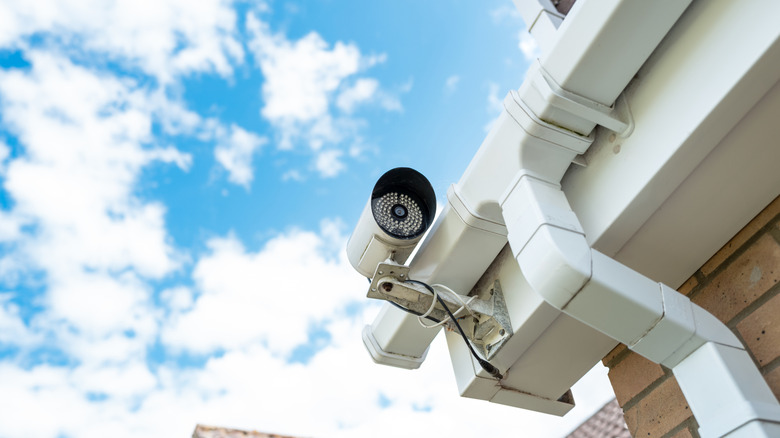
A wired home security camera tends to offer certain key features and functions. Specifically, it doesn't rely on battery life to remain in operation. Thus, it may be the best option for a homeowner who wants to consistently monitor their property without having to worry about recharging a battery.
In addition, the video a wired security camera captures is more secure than a wireless camera, as it's not transferred over a wireless network. This also means wired security camera systems tend to be more reliable in regard to preserving footage for reference later. Not needing a Wi-Fi signal to record and transmit footage also means that wireless security cameras can cover a relatively large area. That's partly because you don't have to be concerned about placing a camera too far away from your router for the Wi-Fi signal to reach it.
That said, there are certain trade-offs you'll inevitably make if you opt for a wired security camera. As you likely understand, a wired security camera requires a physical connection to a power source and a central hub to serve its purpose. This may limit your flexibility when it comes to camera placement. On the one hand, you don't have to worry about staying in range of a Wi-Fi signal, but on the other hand, you do have to consider whether a wired connection is practical when choosing camera locations. It's also worth noting that installing a wired security camera system tends to be more complicated than installing wireless cameras.
The pros and cons of wireless home security cameras
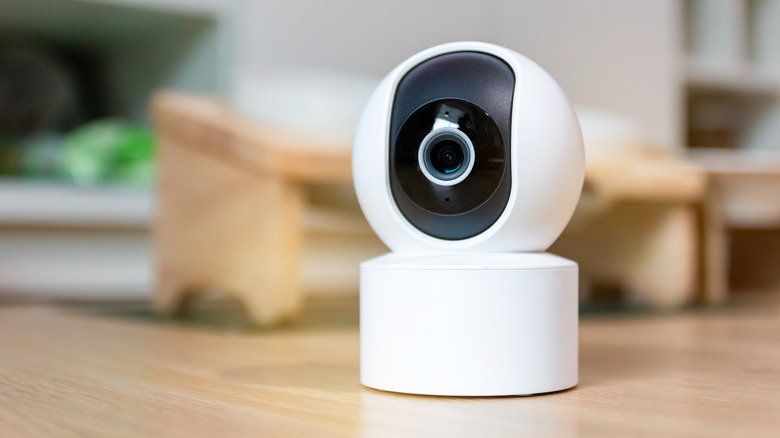
Although a wired system has its strengths, for some people, wireless is the better choice. As addressed above, you might lean in the direction of a wireless system if you want to be able to place cameras anywhere you like on your property, as long as your Wi-Fi signal can reach the cameras. A wireless option also allows for ease of installation. In some settings, like apartments, where you might have limited freedom to make changes to the property, a wireless system might also be the most appropriate option since you won't need to run any new wires.
Be aware that wireless security cameras come in different forms. All of them transmit footage via a Wi-Fi signal, but some still require a direct connection to a power source. Thus, a wireless system may still face some of the same limitations as a wired system. Once more, if you choose wireless cameras that run on a battery, you'll have to remember to recharge them on a regular basis.
A wireless camera also generally offers inferior video quality when compared to a wired option. For example, a wired security camera may offer up to 8K video quality, while it's more common for a wireless camera to reach only 720p to 2K. Although that's a factor you must account for if you prioritize capturing quality footage, if you're looking for a budget-friendly option, keep in mind that the average overall cost of a wireless security camera system tends to be less than that of its wired counterpart.
How to choose between a wired and wireless home security camera system
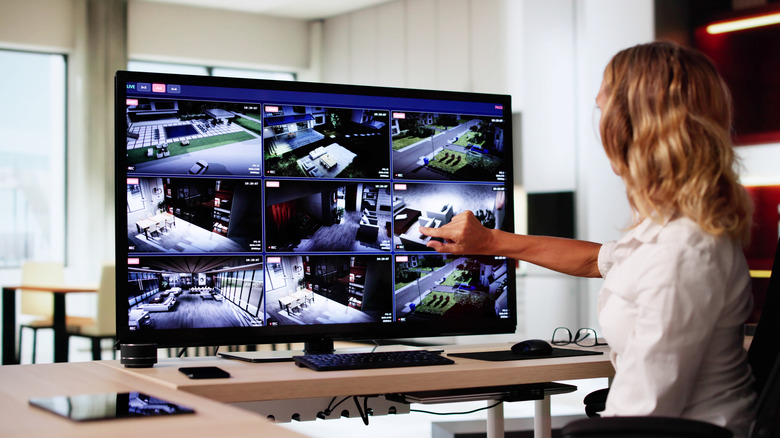
When choosing between a wired home security camera and a wireless home security camera, it's important to realize that neither option is inherently better than the other. Both options offer their own unique sets of advantages and disadvantages. You need to consider what's most important to you when making this decision.
For example, if you have a large property that you want to consistently monitor from multiple angles without having to rely on a Wi-Fi network, a wired system may be your best bet. If you live in a smaller rental and you'd like an affordable option that lets you hide cameras throughout the property, you may decide to go with wireless.
In either case, conducting research is vital. For instance, you might learn there are some home security cameras that are best to avoid. Your research might also introduce you to alternative options, such as repurposing old webcams as security cameras. By exploring your options and considering other ways of monitoring your property, you'll get a better sense of what works well for you.