

US To Dismantle The 'World's Most Advanced' Ocean Monitoring System
The U.S. government is preparing to dismantle one of the most important tools scientists have for monitoring the effects of climate change on the ocean. This will ultimately bring an end to the Ocean Observatories Initiative (OOI), which was expected to run for 25 years since beginning operations in 2016. The system is made up of more than 900 instruments embedded in the deep sea off the coast of Oregon, Alaska, North Carolina, Washington State, as well as the Irminger Sea, located between Greenland and Iceland.
This system has been paramount to understanding the ongoing changes happening in the Atlantic Meridional Overturning Current, which researchers are concerned could collapse in the future as the climate continues to shift. It is considered "the world's most advanced continuously operating ocean observing systems," according to Jim Edson, a marine meteorologist (via the New York Times). Without it in place, keeping an eye on growing ocean changes will become more difficult.
There's also the cost of the project, which is estimated to cost around $370 million to set up and around $48 million annually to operate. The closure of this particular project has been pushed as part of the Project 2025: "Mandate for Leadership" from the Heritage Foundation, and was recommended as an action to take, as the Heritage Foundation views the OOI as the "source of much of the NOAA's climate alarmism."
Why scientists are worried

This is just the latest in a long list of changes the Trump administration has been making to climate-related endeavors. Cuts have been proposed for multiple projects, including more than a reported $1.1 billion in marine-life science and studies of fish populations, and even the ocean's various currents. The administration is also moving to change climate-change laws put in place within the last few decades.
Dr. Craig McLean, who served as the acting chief scientist of the National Oceanic and Atmospheric Administration during Trump's first term said, that this move further expands on the administration's "lack of understanding" of the merit and value of scientific endeavors, according to Oceanographic Magazine. By continuing to make these kinds of cuts, McLean says that the Trump administration is further pushing America behind in global scientific leadership. And not having these systems in place could leave the country unprepared for future changes to the ocean.
The Trump administration has also pushed for big changes to NASA's operating budget, which could cripple many of the agency's various climate-change-related projects as well as advancements made in space exploration as a whole. So, scientists are no doubt concerned that by dismantling the OOI, the government is cutting off another important source of climate change information. Since its launch in 2016, the OOI has helped scientists understand the effects of climate change on commercial fisheries, how rising sea levels might threaten to flood coastal areas along the eastern coast of the U.S., and more.
Some pieces will run until 2028 at the latest
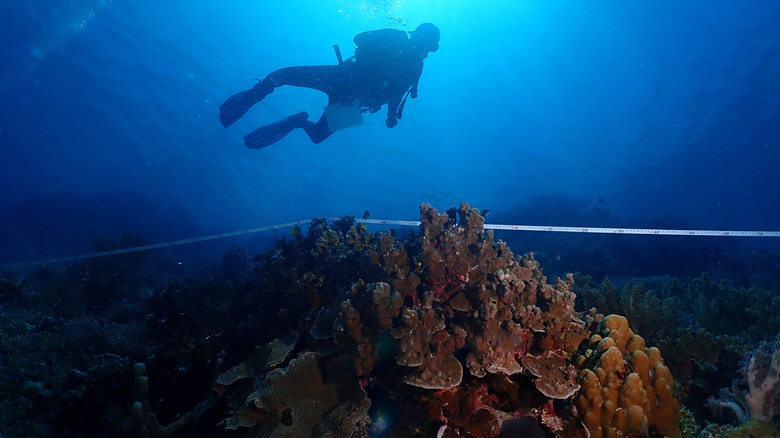
Efforts to dismantle the OOI will begin this year, with the process expected to take around 15 months to complete. However, some of the instruments located off the coast of Oregon are currently set to run until 2028, continuing to gather data about the ocean near an active underwater volcano. Each of the instruments is located at the bottom of the ocean and will require the removal of moorings and then the retrieval of the instruments themselves, which are built to withstand the deep ocean pressure.
Some of the parts of the system have even been turned off since 2025 to help cut down on budget costs, though it doesn't appear like that was enough to stop the entire system from being gutted. With the world continuing to experience global climate change, it is unclear how scientists will keep up with the effects those changes have on the ocean now. Based on statements made by those close to the project, it does not appear like the OOI is something that will be easy to replace, or even to redo in the future, should funding somehow be re-allocated for it by the National Science Foundation.