

Why Did Android Stop Using Dessert Names For New OS Versions?
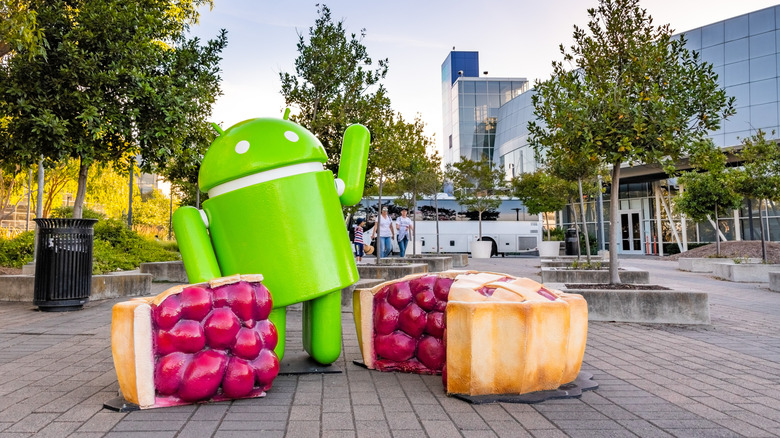
If you were around for the earlier Android software releases, then you remember how much sweeter they once were. After alpha and beta prerelease versions, each major Android release was named after a dessert, in alphabetical order. Android 1.5 was named Cupcake, then 1.6 was Donut and 2.0 was Eclair. Those versions were followed by Froyo (2.2), Gingerbread (2.3), Honeycomb (3.0), Ice Cream Sandwich (4.0), Jelly Bean (4.1), KitKat (4.4), Lollipop (5.0), Marshmallow (6.0), Nougat (7.0), and Oreo (8.0). But after Android 9.0's launch back in 2018, which was called Android Pie, Google stopped using those delicious names.
Why did Android stop using dessert names for new OS versions? While it might be easy to assume Google suddenly outlawed all desserts on its campus and turned away from ever using delightful foods and snacks ever again, the real reason is pretty simple, and makes a lot of sense to boot.
In a blog post published back when Google launched Android 10, the first version launched without a sweet name, the team explained the change was being made in the interest of global parity. To become more inclusive and accessible to the rest of the world, Android would now follow basic version numbers, like Android 10, 11, 12, and so on. As for why that was an inclusive change, the dessert names weren't always understood by the international community — some places simply don't have the same desserts or call them something else (the team also pointed out that pies are not a dessert in some places). In a way, however, the dessert names have nonetheless lived on.
The Android team still uses dessert code names internally
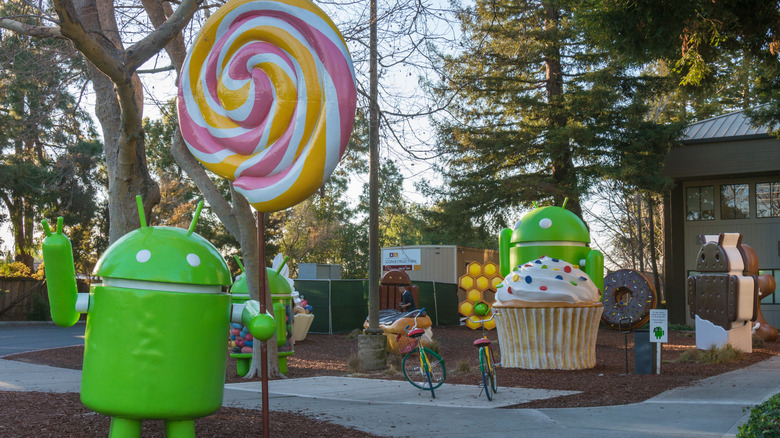
While the public facing names of modern Android releases don't have any unique or colorful titles, each working version of the OS has an internal name that the team uses to differentiate between releases. Those internal names, or code names, tend to continue the legacy dessert naming convention. Android 10's internal code name, for example, was "Quince Tart." Android 11 was "Red Velvet Cake," 12 was "Snow Cone," 13 was "Tiramisu," and 14 was "Upside Down Cake." Android 15 was code-named Vanilla Ice Cream.
Rather than finishing the alphabet, Google started over with Android 16, which was code-named "Baklava" internally. According to Android Authority, this change was made to coincide with Google's shift to a "Trunk Stable" release pattern for Android, with the new code names now coinciding with the first letter of the version's build ID. Arguably one of the more delicious treats was reserved for the latest version of Android at the time of this writing, with Android 17 being code-named Cinnamon Bun. Also relevant, Android 17 will change Android phones in some big ways in 2026.
In the end, one could make the argument that the tasty names are hidden in the cake batter since the Android team is still using them around the office, and for literally every release since Android Pie. Because of Android's open-source nature, we still learn what the team is unofficially calling each version through AOSP code commits, which is always a nice little surprise.