

iPhone Gets Important iOS 26 Update To Combat AI-Assisted Hacks
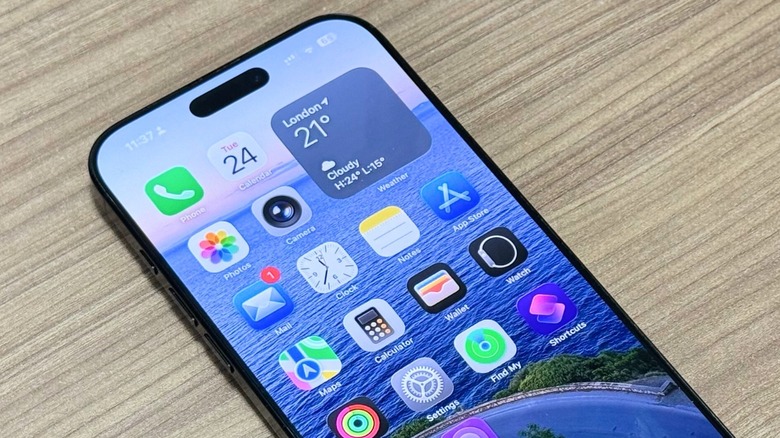
As Apple continues to test iOS 26.6 and iOS 27, the company surprised users by releasing iOS 26.5.2, iPadOS 26.5.2, and macOS Tahoe 26.5.2. However, as small as this update might sound, it actually has a lengthy list of security fixes, in addition to a very important fix to combat AI-assisted hacks. To Reuters, the publication said that "given the ability of artificial intelligence to speed the development of malicious hacking tools, it needed to reduce the time between when updates were first made public and when they were put into customers' hands."
While it seems that none of the fixed bugs were actively exploited by hackers, this should remind users to update their devices as soon as possible, as they could be vulnerable to an attack. iOS 26 is available from the iPhone 11 up to the latest iPhone models, meaning even though most of the newer features have been reserved for devices with Apple Intelligence, these security fixes ensure that users' data remain safe and that they can continue to use their phones normally.
Interestingly enough, this update comes after Apple became one of Anthropic's Project Glasswing partners, which uses Claude Mythos Preview to help patch vulnerabilities that hackers could use or could be using Claude to break into devices. This powerful AI tool is only available to select companies, and could play a big roles into improving our devices' software updates with security improvements.
Most security fixes are related to WebKit and Safari
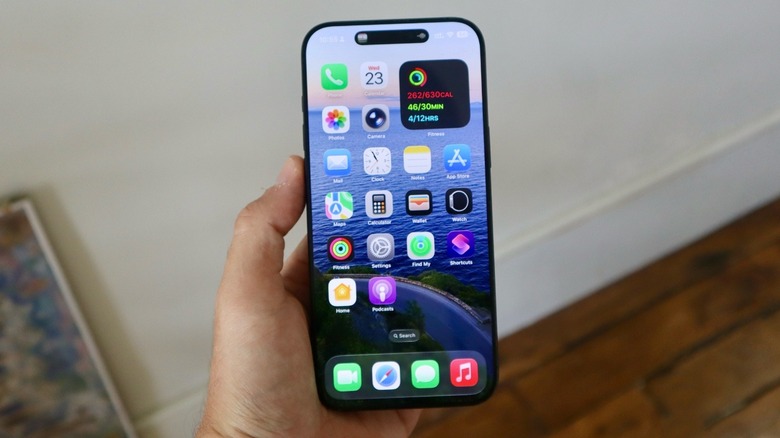
With iOS 26.5.2 (and a new beta of iOS 26.6), Apple detailed the 25+ fixes it's offering to iPhone, iPad, and Mac users. Most risks were associated with WebKit, the engine that powers Safari and every other web browser on iOS. Basically, hackers target WebKit because it allows them to catch users off guard. Over the past years, Apple patched multiple flaws where simply visiting a malicious website could trigger a disaster in people's phones.
This update helps to protect users against bad websites that could crash Safari, peek at your private data from other tabs, or even sneak past Safari's security sandbox to interact with the rest of your phone. One of the fixes, for example, is in the WebKit Storage; where a shady site could silently hijack your clipboard data, which could theoretically let a website see whatever text or password you recently copied.
Regarding the fixes into iPhone's Kernel, which is the core of the operating system, Apple patched three distinct flaws. Without it, a malicious app downloaded onto your device could exploit these flaws to write memory directly to the kernel or cause a complete system crash. In the worst-case scenario, this could let an app break out of its restricted zone and gain access to your private device state.
How to keep your device safe and updated
Updating to iOS 26.5.2 is one of the easiest ways to keep your device (but also your data) protected. To ensure you always get the latest update, you should enable Automatic Updates for the operating system and individual apps. This way, whenever your phone is connected to power and on a reliable connection, it will update everything. Besides that, as recent regulatory rules push Apple to open the ecosystem in regions like Europe and Brazil, you should keep downloading apps through the App Store. Apple uses strict sandboxing and automated malware scanning before an app ever reaches a device.
Another good tip is to update your hardware whenever its possible. After all, some improvements can also be related to the internal parts, such as a more secure, advanced processor, chips, and so on. There are devices (not only Apple, obviously) that even a software patch might not be enough to fix a flaw that has been discovered on the device. This happens not because the companies didn't develop a good enough product, but hackers had the time to test and stress these devices in all the possible ways.
Last but not least, be careful when connecting to public Wi-Fi, USB ports on public spaces, and even check the permissions you give apps, as if an Apple doesn't need a specific permission to function, you should remove it.