

Virginia's New AI Traffic Cameras Are Already Frustrating Local Residents
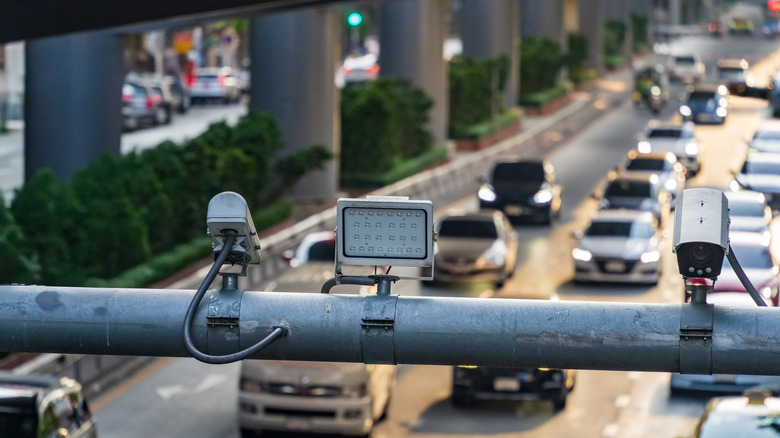
A new Virginia law going into effect in early July will allow local governments to put up and use AI-powered cameras to detect and even enforce stop sign and crosswalk violations within the state. While many appear to support the move, with reports saying that it should improve the safety of pedestrians across the state as well as reduce the number of traffic-related deaths and injuries, others are not as convinced about the effectiveness of the system.
The law was signed by Virginia Governor Abigail Spanberger in early 2026, and once it goes into effect, it will allow the installed AI cameras to automatically generate and issue citations to drivers that disregard stop signs and fail to stop in areas where they have been set up. This is a similar setup to what has been happening around the rest of the United States, as AI traffic cameras have started to pop up in various states.
The idea sounds all well and good until you take into account that the AI can get things wrong, and the hallucinations are even expected to get worse in the future. In fact, reports on this exact development suggest that some residents have already started to receive frustrating tickets. One driver told WAVY that she received multiple tickets and had to write a statement to the company. While it was a frustrating process, the company removed three of the citations. That same driver said that she understands why the need for such a system is there and believes that drivers should slow down and pay more attention to their surroundings.
Truly safe or a privacy nightmare waiting to happen?
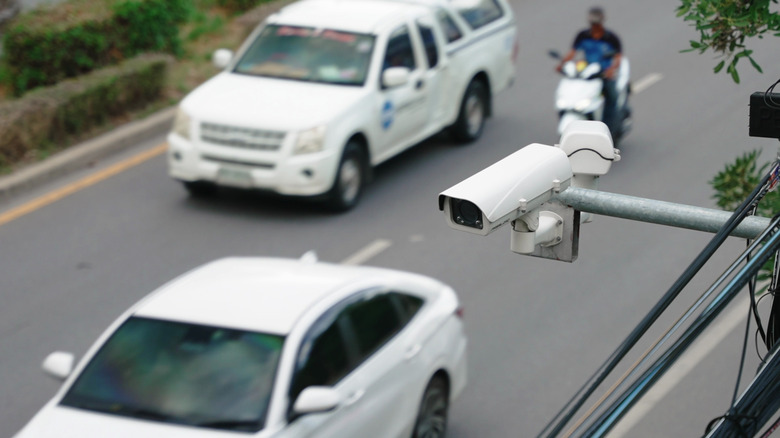
The other concerns surrounding the potential for these types of cameras come from those worried about user privacy. Since it utilizes AI, drivers worry that Obvio, the company that developed the cameras, is uploading footage somewhere for processing, making it possible for bad actors to reroute the data and use it in some nefarious way. However, the co-founder and president of Obvio says that all of the footage is kept on the device until a violation is noted, and then only that particular footage is uploaded and shared with law enforcement.
The president of the company also noted that law enforcement must approve the citation before it is issued, though the exact protocol for how that works was not shared. Additionally, while the law allows for the cameras to be set up, they aren't required to do so. Local governments will be able to freely choose where and if they want to adopt the program, and the company says that the lower expense to install them would allow for additional funds and even revenue from the citations to be directed toward other measures to improve local safety initiatives.