

Why Did LG Stop Making Smartphones?
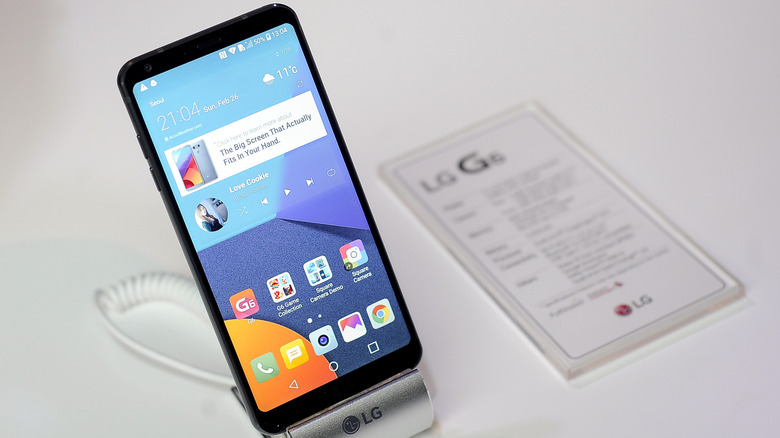
After years of building smartphones running everything from Adobe Flash-based operating systems and Windows Mobile to Symbian and Android, LG abandoned the smartphone business in 2021, with July 31 marking the official end date. The company made several interesting and popular smartphones. For example, it released LG Prada in 2006, which pipped the Apple iPhone to the market as the first smartphone with a capacitive display, a big deal considering other smartphones had resistive screens or lacked a touchscreen. Similarly, the LG G3, an Android-powered smartphone, sold over 10 million units globally, most for any LG smartphone.
However, despite being the third-biggest smartphone maker in North America with around 10% market share, the company was left with only 2% globally and was the ninth biggest smartphone maker in 2020. It sold only 7.6 million smartphones in Q4 2020, according to Counterpoint Research, less than one-tenth of Apple's 81.9 million, and significantly lower than Samsung and Xiaomi's 62.5 million and 43 million, respectively. This was quite a fall for the South Korean tech giant. As its smartphone shipments dropped, so did its profits. By 2021, LG's mobile division had seen losses for nearly six years, totaling around $4.5 billion, according to Reuters.
LG faced intense competition
With such low numbers and continuous losses, it's not surprising LG thought it was time to throw in the towel. After all, it was dealing with Apple and Samsung in the high-end and mid-range segments, whereas Chinese smartphone brands, like Xiaomi, Oppo, and Vivo, were undercutting it in the entry-level segment. More importantly, LG's mobile division was the smallest among the broader LG corporate group, with only 7% of revenue contribution, which likely didn't help it score any points. The company reportedly tried to sell parts of the business to Vietnam's Vingroup, which is primarily recognized for its Vinfast EV brand outside its home market. However, a deal didn't happen, and LG decided it was better to focus on other technologies.
"LG's strategic decision to exit the incredibly competitive mobile phone sector will enable the company to focus resources in growth areas, such as electric vehicle components, connected devices, smart homes, robotics, artificial intelligence and business-to-business solutions, as well as platforms and services," the company said in a statement at the time.
In hindsight, leaving the smartphone business was a good decision for the company. The areas it wanted to focus on instead of making phones have largely gone well. As of 2026, LG's vehicle components division is said to have a massive order backlog of KRW 90 to 100 trillion (roughly $75 billion), ensuring there is not going to be any revenue issues over the several coming years. B2B business is also going well and currently driving 36% of the company's revenue.